

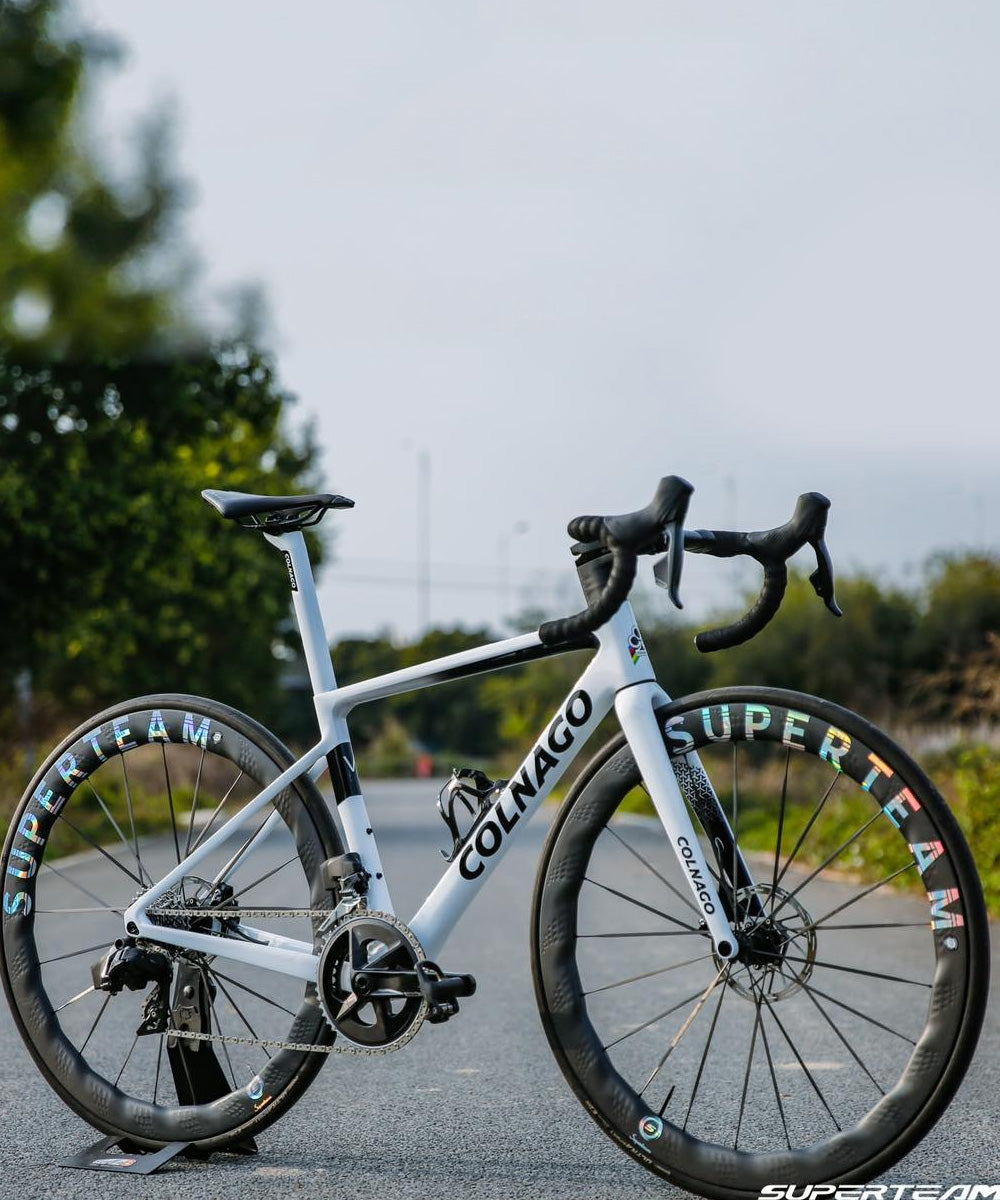


Wheel Choice for Climbing Stages: What the Pros Prefer
When the gradients rise and oxygen thins, every gram of weight becomes critical. Climbing stages are where pure efficiency and endurance define performance, and the wheelset you choose can make all the difference. Professional riders spend hours fine-tuning their setup for the mountains, aiming to maximize stiffness and control while minimizing unnecessary mass.
Lightweight wheels remain the clear favorite when the road tilts upward. Most pros opt for rims between 25mm and 35mm deep, reducing rotational mass without sacrificing too much stability. These shallow rims allow faster acceleration on steep gradients and quicker responses to attacks. Every 100 grams saved helps conserve valuable energy over long ascents that often exceed 1,000 meters of climbing.
However, it’s not all about weight. Modern climbing stages often include rolling valleys or high-speed descents, so many riders now prefer mid-depth carbon rims (35–45mm) for a balance of aerodynamics and control. Teams like UAE Team Emirates and Visma | Lease a Bike commonly pair a slightly deeper rear wheel with a shallower front to maintain handling stability in crosswinds while still benefiting from aerodynamic efficiency on flatter segments.
Stiffness also plays a crucial role. Climbing requires consistent torque and smooth power transfer, especially when standing out of the saddle. A stiff wheelset prevents lateral flex, ensuring that each watt of effort propels the bike forward. High spoke tension and asymmetric rear rim designs help distribute forces evenly, improving responsiveness on steep ramps.
Tire setup has evolved in tandem with wheel technology. Most professionals now rely on tubeless tires between 25mm and 28mm wide, which offer lower rolling resistance and improved grip on unpredictable mountain roads. Tire pressure is tuned carefully—typically between 70 and 90 psi—to balance comfort, traction, and efficiency during long climbs and technical descents.
While lightweight rim-brake wheels once dominated the mountains, disc-brake systems are now the standard in the pro peloton. The improved modulation and reliability of hydraulic braking provide confidence on fast, winding descents, and the added few grams are a worthwhile tradeoff for control and safety.
Notable examples include Tadej Pogačar, who often rides Enve SES 2.3 or 3.4 wheels during mountain stages, and Jonas Vingegaard, who favors Reserve 34/37 setups for optimal stiffness-to-weight performance. Both highlight how modern climbing wheelsets have evolved beyond pure lightness, emphasizing balance and versatility instead.
Ultimately, the ideal climbing wheelset combines lightweight efficiency, responsive stiffness, and predictable handling. For most riders, a carbon wheelset in the 30–40mm range, paired with tubeless 28mm tires and disc brakes, strikes the perfect balance between agility and control.
When the road heads into the clouds, the right wheels don’t just make you faster—they make every climb smoother, steadier, and more enjoyable.