



What Gravel Bike Rims Perform Best in Mixed Terrain Racing?
Mixed terrain racing demands wheels that can handle everything from smooth dirt and fast pavement to loose gravel, rough washboard, steep climbs, and technical descents. Choosing the right gravel bike rims can greatly influence speed, control, and fatigue resistance during long, unpredictable races. The best rims for mixed terrain are those that strike a balance between aerodynamics, stability, durability, and comfort.
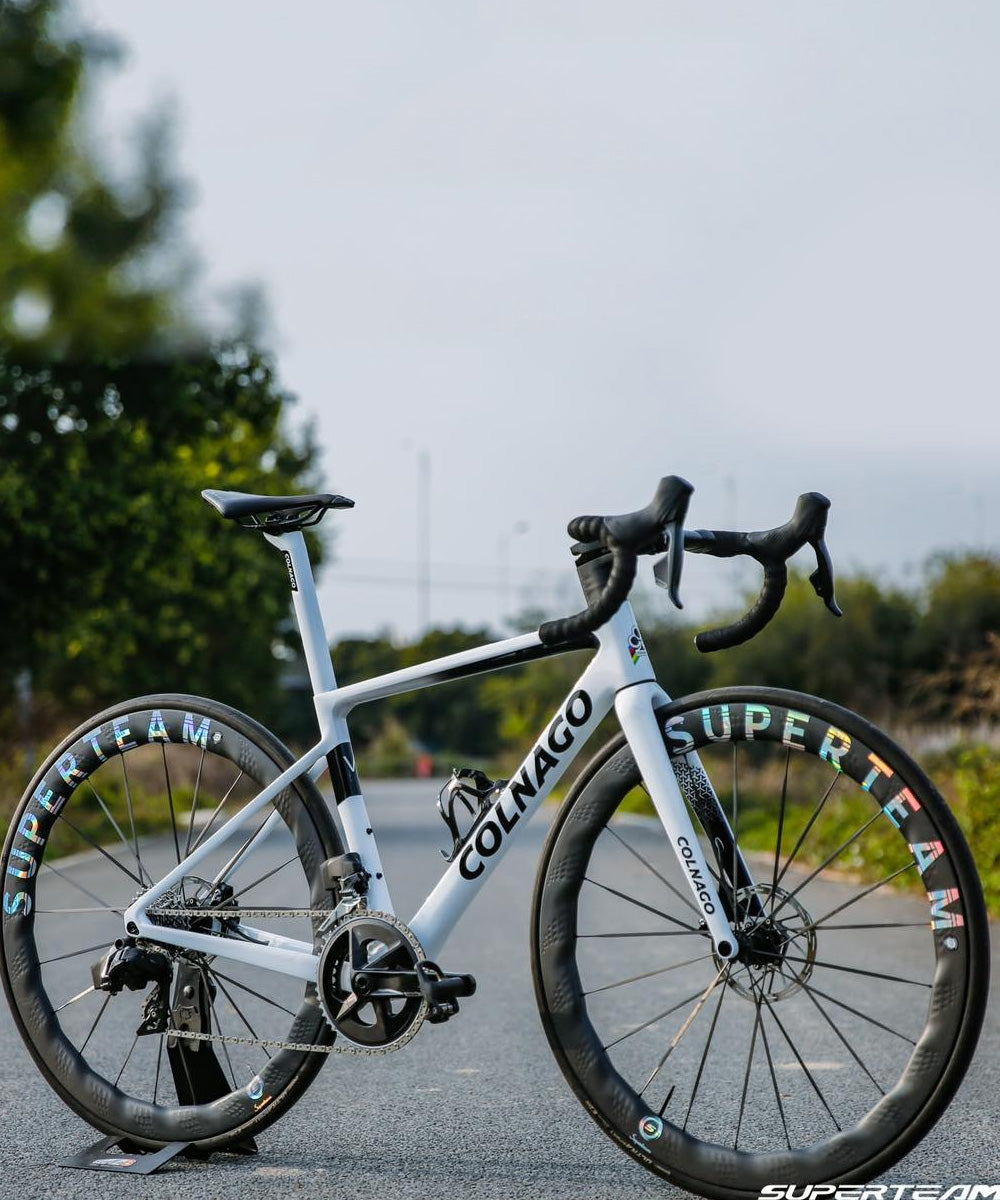
Mid-depth rims—typically 36 to 45mm—perform exceptionally well in mixed terrain events. This depth offers a blend of aerodynamic efficiency and handling stability without becoming overly sensitive to crosswinds. On open and fast sections, mid-depth rims help maintain momentum and reduce drag. On rough or technical sections, they remain manageable, providing predictable steering and better control compared to deep aero rims.
A wide internal width is another key factor. Rims ranging from 23 to 28mm internally allow gravel tires to expand into a stable, round profile. This improves traction on loose surfaces, enhances cornering control, and provides more support for lower tire pressures. Lower pressures add comfort and grip, which become crucial in long races where fatigue can compromise handling and power output.
Tubeless-ready construction is essential for mixed terrain performance. Running tubeless allows riders to use lower pressures without risking pinch flats. It also reduces rolling resistance and improves puncture protection—important when transitioning between sharp rocks, dirt roads, and high-speed sections. A well-designed rim with a reliable bead seat and an airtight rim bed helps ensure quick setup and consistent sealing during demanding race conditions.
Carbon rims often offer advantages for racing. Their superior vibration damping reduces rider fatigue during long events and helps maintain speed over rough surfaces. Carbon rims can be tuned for optimal stiffness, providing fast acceleration while still offering compliance for comfort. Alloy rims, while more durable in extreme impacts, usually transmit more vibration and feel less efficient on high-speed mixed terrain courses.
Durability and impact resistance remain critical. Mixed terrain races often include unpredictable obstacles—embedded rocks, ruts, potholes, and uneven transitions. Rims with reinforced sidewalls, thicker material around the spoke holes, or engineered impact zones perform better when the course becomes hostile. Strong construction prevents damage that could end a race early or cause the wheel to go out of true mid-ride.
Weight also influences performance. Lighter rims improve climbing efficiency and make it easier to accelerate out of corners or back to speed after obstacles. The ideal mixed terrain rim is lightweight but not fragile—using materials and designs that keep weight down while retaining the strength needed to survive rough sections at race pace.
Stability at speed is another essential trait. Rims that are too deep can become unruly in crosswinds, especially on exposed gravel roads or open plains. Rims that are too shallow may lack the stiffness required for aggressive accelerations or high-speed descending. This is why mid-depth rims are often the preferred choice—they deliver reliable, all-around performance.
In summary, the best gravel bike rims for mixed terrain racing are mid-depth, wide, tubeless-optimized, and built from materials that balance stiffness with vibration damping. These features work together to provide speed on smooth stretches, traction on loose terrain, durability on rough sections, and stability in varying wind conditions. Choosing rims with these characteristics can significantly improve performance during the unpredictable demands of mixed terrain racing.