

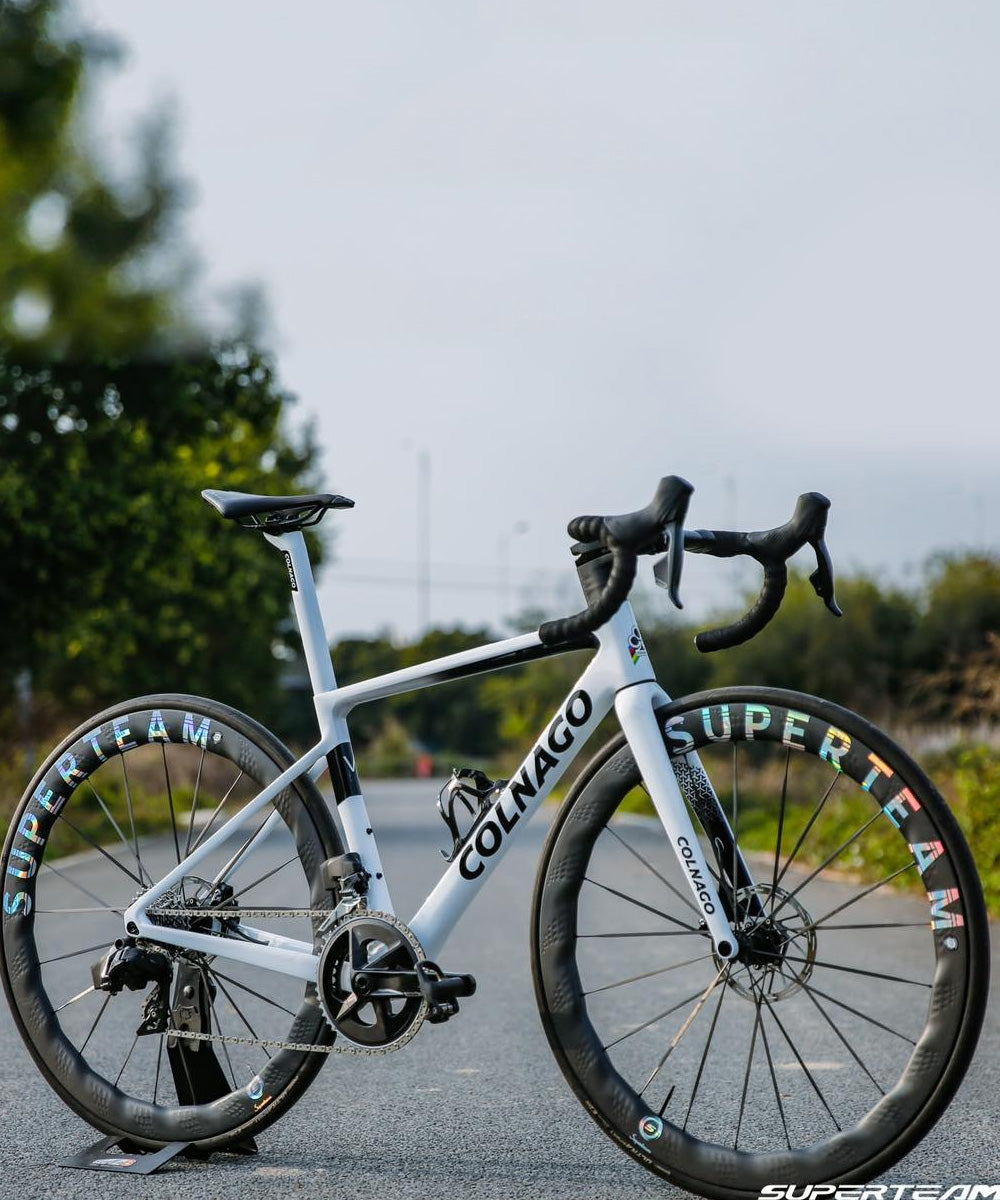


Training Efficiency: How Wheel Weight Impacts Acceleration
Every cyclist knows that lighter wheels feel faster—but how much difference does wheel weight really make, especially in training? While the idea of “lighter equals better” has some truth, understanding how wheel mass affects acceleration can help you choose the right setup for your goals and training style.
1. The Physics Behind Wheel Weight
When you accelerate on a bike, you’re not just pushing your body and frame forward—you’re also spinning your wheels. Because wheels rotate, part of their weight contributes to rotational inertia, meaning it takes extra effort to get them spinning. The lighter the rim (and the closer the mass is to the hub), the less energy it takes to accelerate.
This is why a light carbon wheelset often feels more responsive than a heavier aluminum one, even if the total weight difference is small. The rotational mass amplifies the sensation of quickness.
2. Acceleration vs. Momentum
Light wheels accelerate faster, but heavier wheels maintain speed better once they’re moving. This is important for training: if your rides include frequent accelerations, climbs, or intervals, lighter wheels will make your efforts feel smoother and more efficient. However, for long steady rides or flat terrain, the extra momentum from a slightly heavier wheel might actually make holding speed easier and more stable.
3. Real Gains in Training Efficiency
From a physiological standpoint, using lighter wheels can improve your ability to hit high-cadence efforts or sprint intervals, since they respond immediately to pedal input. However, for base endurance rides, training with slightly heavier wheels can build more strength and improve long-term efficiency. Many pros train on heavier setups and switch to lightweight wheels during race season to feel the performance boost.
4. The Balance Between Weight and Aerodynamics
It’s also worth noting that wheel weight isn’t everything. A 60mm-deep carbon wheel might weigh slightly more than a shallow one, but its aerodynamic benefits at higher speeds often outweigh the added grams. For most riders, the difference in acceleration between a 1,350g and a 1,550g wheelset is small compared to the effect of wind resistance over a long ride.
5. Finding the Right Setup for You
If your training includes hill repeats or criterium-style sprints, go for a lightweight carbon wheelset with minimal rotating mass. If your focus is endurance or power development, a slightly heavier and more robust set—like a training-specific Superteam wheelset—can offer better value and durability without compromising too much on performance.
Conclusion
Wheel weight definitely affects acceleration, but its impact depends on how and where you train. Lighter wheels help you accelerate quickly and make efforts feel sharper, while heavier ones can enhance strength and pacing discipline. The key to improving training efficiency is knowing when each type works best—and using that knowledge to match your wheel choice to your cycling goals.