
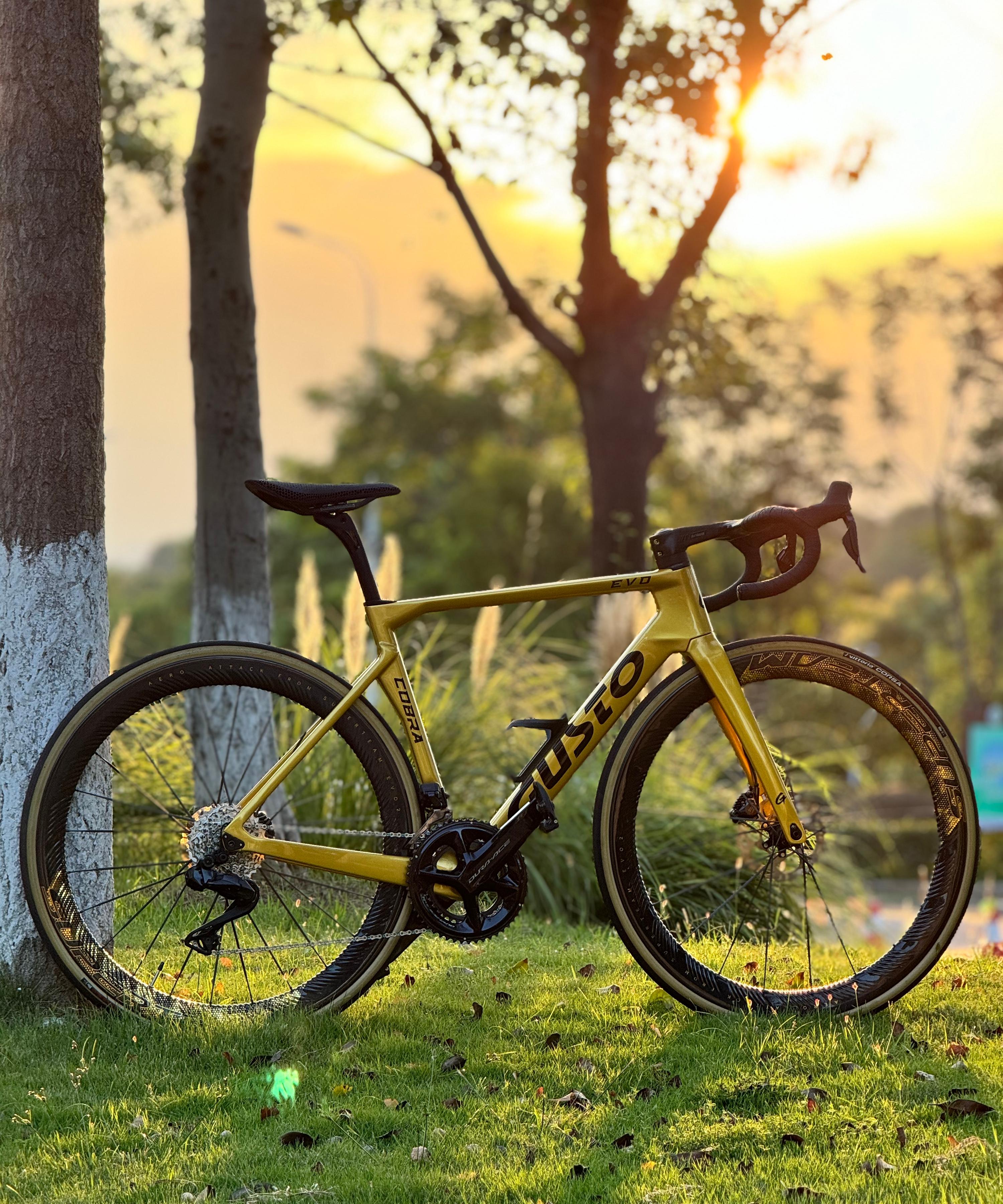
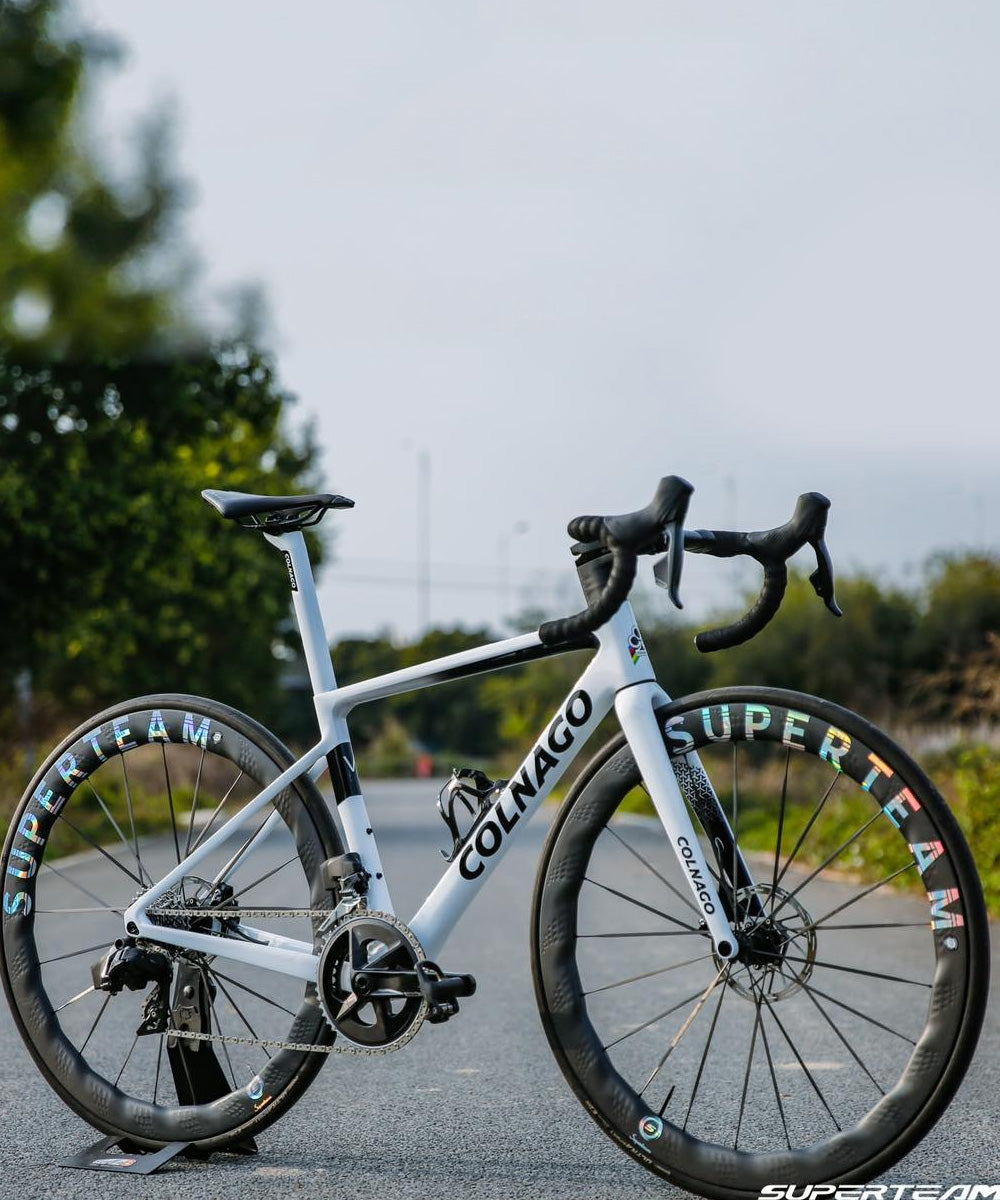


The Role of Hub Engagement in Acceleration and Sprinting
Hub engagement refers to how quickly the rear hub transfers pedal force into forward motion. It is defined by the number of engagement points in the hub’s mechanism, which determines how much free rotation—or “slack”—occurs before power is applied. For gravel riders, road cyclists, and sprinters alike, hub engagement can make a noticeable difference in responsiveness, efficiency, and overall performance.
Why Engagement Matters
During sprints, accelerations, or technical terrain, even a small delay in power transfer can disrupt rhythm and cost valuable speed. A hub with high engagement points reacts almost instantly to pedal input, allowing for faster acceleration and more efficient power delivery. On the other hand, hubs with lower engagement may feel less responsive, which can hinder performance in high-intensity efforts.
Engagement and Sprinting
In sprint situations, every fraction of a second counts. High-engagement hubs allow riders to transfer explosive power without delay, maintaining momentum and maximizing speed output. This is particularly beneficial in criteriums, road sprints, and gravel races where quick bursts of acceleration can decide the outcome. Lower-engagement hubs may create a slight lag that disrupts cadence and reduces efficiency at critical moments.
Trade-Offs and Durability
While higher engagement hubs provide faster response, they often require more intricate mechanisms, which can lead to increased wear and potentially higher maintenance needs. Lower-engagement hubs, though less responsive, can be simpler and more durable, making them appealing for riders who prioritize longevity over split-second performance. The choice depends on balancing performance demands with maintenance expectations.
Practical Considerations for Riders
When choosing a wheelset, hub engagement should match riding style. Sprinters and competitive racers will benefit from high-engagement hubs that maximize responsiveness. Endurance or touring cyclists may prefer the durability and lower upkeep of simpler hub systems. Gravel riders, who face frequent accelerations in mixed terrain, often benefit from a middle ground—hubs with solid engagement without excessive complexity.
Conclusion
Hub engagement plays a critical role in how efficiently power is transferred during acceleration and sprinting. By understanding the trade-offs between responsiveness, durability, and maintenance, riders can choose hubs that align with their discipline and performance goals, ensuring smoother, more efficient riding experiences.