

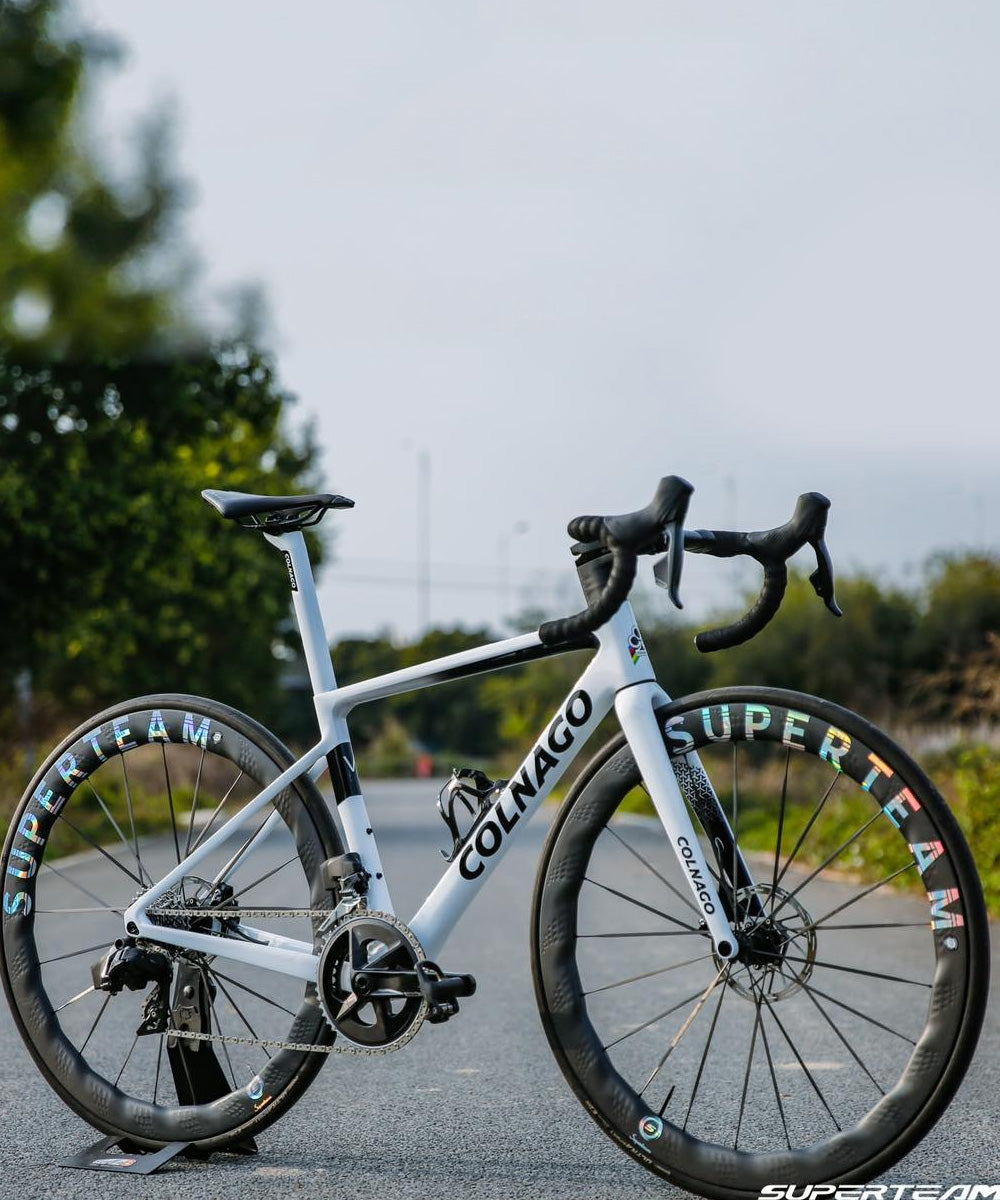


Testing the Limits: Carbon Wheels on Rough Terrain
Carbon wheels have transformed modern cycling, offering lightweight performance, precise handling, and aerodynamic efficiency. While they excel on smooth roads and controlled environments, their true test often comes on rough terrain—gravel paths, cobbled sectors, and uneven descents where both the material and design are pushed to the limit. Understanding how carbon wheels perform in these conditions is essential for riders who seek speed without sacrificing reliability or comfort.
One of the primary concerns when riding carbon wheels on rough surfaces is impact resistance. Unlike aluminum rims, carbon can be more sensitive to sharp impacts if not engineered properly. High-quality carbon wheels use reinforced layup patterns and optimized fiber orientation to absorb shocks while maintaining stiffness. This allows the wheel to remain responsive under pedaling loads without cracking or delaminating when encountering potholes or loose stones. Riders quickly notice the difference: a well-designed carbon wheel can feel as lively as it does on smooth asphalt, even on jagged surfaces.
Compliance and vibration damping are also critical. Carbon’s natural ability to flex in controlled ways can reduce road buzz, protecting the rider from fatigue over long rides on rough terrain. Rim depth and width further influence how the wheel handles vibrations. Shallow to mid-depth rims paired with wider tires (28–32mm for gravel, 25–28mm for road rough patches) allow the tire to deform over obstacles while the carbon rim maintains lateral stiffness, delivering both comfort and control. Tubeless setups complement this by enabling lower pressures without risking pinch flats, further smoothing the ride.
Another factor to consider is rotational stiffness and power transfer. On rough terrain, the wheel must absorb small impacts while still translating every watt of pedaling into forward motion. Excessive flex can sap efficiency, while overly stiff wheels may feel harsh and unforgiving. Modern carbon wheels often use asymmetric rim profiles and optimized spoke lacing to balance lateral stiffness with vertical compliance, making them efficient yet comfortable in challenging conditions.
Braking performance is particularly relevant on descents with loose or uneven surfaces. Rim-brake carbon wheels require careful modulation to avoid overheating or inconsistent stopping, whereas disc-brake carbon wheels provide more predictable braking under wet or rough conditions. This increased control allows riders to descend faster with confidence, maintaining traction and stability even when encountering gravel patches or debris.
Real-world testing has shown that high-quality carbon wheels can withstand long-term exposure to rough terrain without significant degradation. Many pro riders in races like the Paris-Roubaix and Strade Bianche rely on carbon wheelsets for cobbled and gravel sectors, trusting the material to combine speed, stiffness, and durability. However, proper maintenance—regular inspection for cracks, correct torque on spokes, and careful tire selection—is essential to keep these wheels performing at their best.
Ultimately, carbon wheels on rough terrain demonstrate a balance between lightweight efficiency, structural resilience, and ride quality. Riders who push these limits gain both speed and confidence, but they must also understand the capabilities and proper care of their wheels. When engineered and maintained correctly, carbon wheels not only survive rough conditions—they thrive, making even the toughest gravel and cobbled roads feel fast, controlled, and surprisingly smooth.