

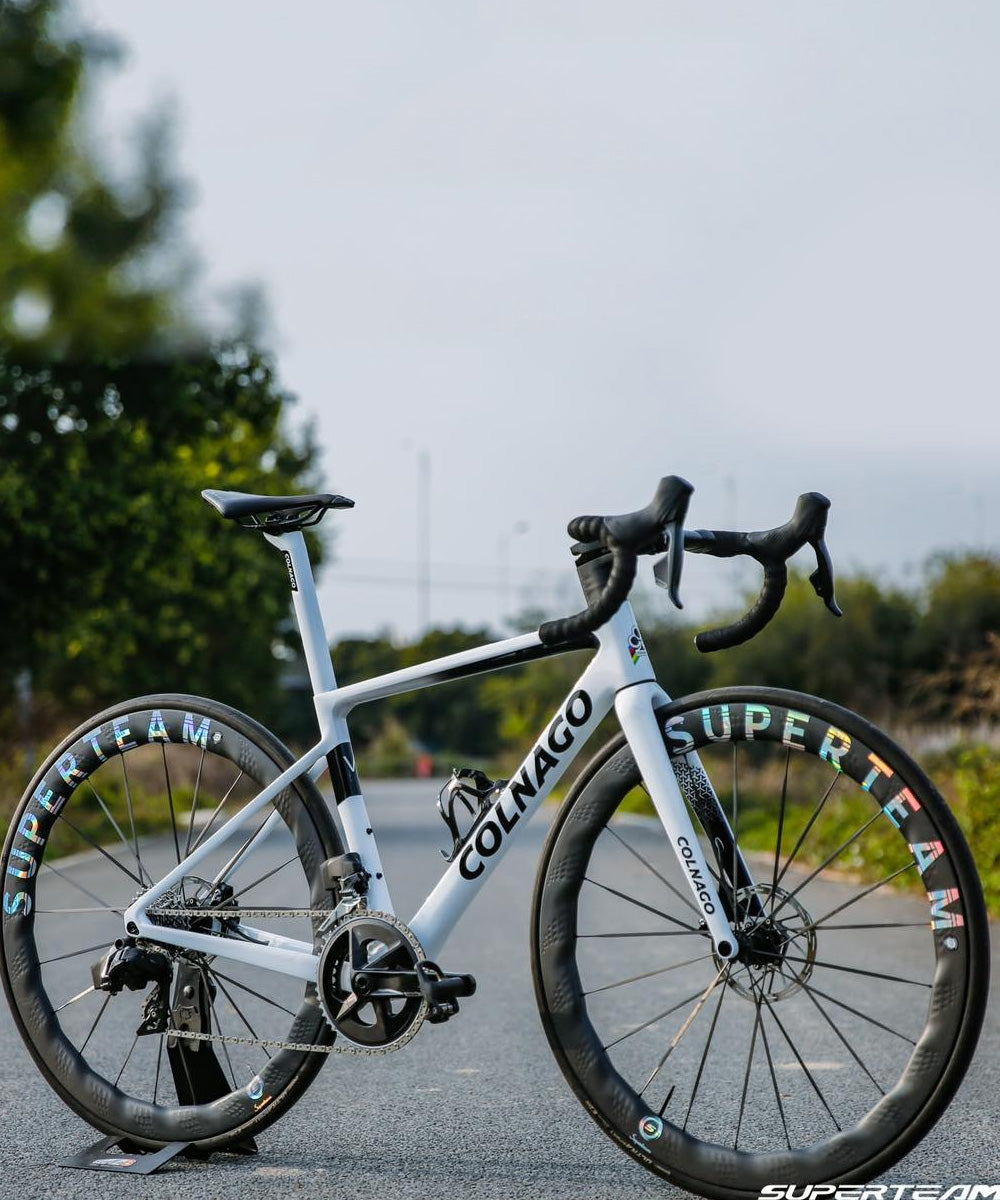


Smart Wheels with Embedded Sensors: Hype or Future Reality
The integration of sensors into bicycle wheels is an emerging trend promising real-time performance data, predictive maintenance, and enhanced rider feedback. But is this technology ready for mainstream adoption, or is it still more hype than reality?
1. Types of Embedded Sensors
Power and Torque Sensors: Measure force applied through the wheel to track pedaling efficiency.
Speed and Cadence Sensors: Monitor wheel rotation to calculate speed, cadence, and distance.
Vibration and Impact Sensors: Detect road irregularities, crashes, or stress on the wheel to anticipate maintenance needs.
Temperature Sensors: Monitor brake track heat on carbon wheels during long descents to prevent damage.
2. Benefits of Sensor-Embedded Wheels
Real-Time Performance Feedback: Riders can optimize power output, cadence, and cornering techniques on the fly.
Predictive Maintenance: Continuous monitoring helps detect spoke tension changes, bearing wear, or cracks before failures occur.
Enhanced Training Data: Coupled with smart apps, sensors provide deeper insights for coaching and long-term performance analysis.
Safety Improvements: Early warnings for overheating brakes or unusual wheel stresses can prevent accidents.
3. Current Limitations
Weight and Durability Concerns: Embedding sensors can add weight, and delicate electronics may not withstand repeated impacts or harsh conditions.
Battery Life and Connectivity: Wireless sensor systems require reliable power and stable Bluetooth/ANT+ connections, which can be challenging in long rides or wet conditions.
Cost Barrier: Sensor-integrated wheels are currently premium products, often beyond the budget of casual cyclists.
Data Overload: Riders may be overwhelmed by constant streams of metrics, requiring smart apps or AI to interpret data meaningfully.
4. Future Outlook
Despite current limitations, the trajectory is promising:
Miniaturization: Sensors are becoming smaller, lighter, and more robust.
Smart Integration: Wheels could communicate directly with bikes’ existing computers and e-bikes’ systems.
Advanced Analytics: AI algorithms could transform raw sensor data into actionable insights without user interpretation.
Conclusion
Embedded sensor wheels are no longer purely futuristic—they exist today, but their widespread adoption depends on overcoming durability, cost, and usability challenges. As technology matures, smart wheels could become a standard tool for both performance optimization and predictive maintenance, bridging the gap between data-driven cycling and practical reliability.