


Rim Brake vs. Disc Brake for Indoor Trainer Sessions: What to Use?
When setting up your bike for indoor trainer sessions, one question often comes up: should you use a rim brake bike or a disc brake setup? While both systems can perform well on a trainer, there are practical differences that affect convenience, wear, and overall training experience.
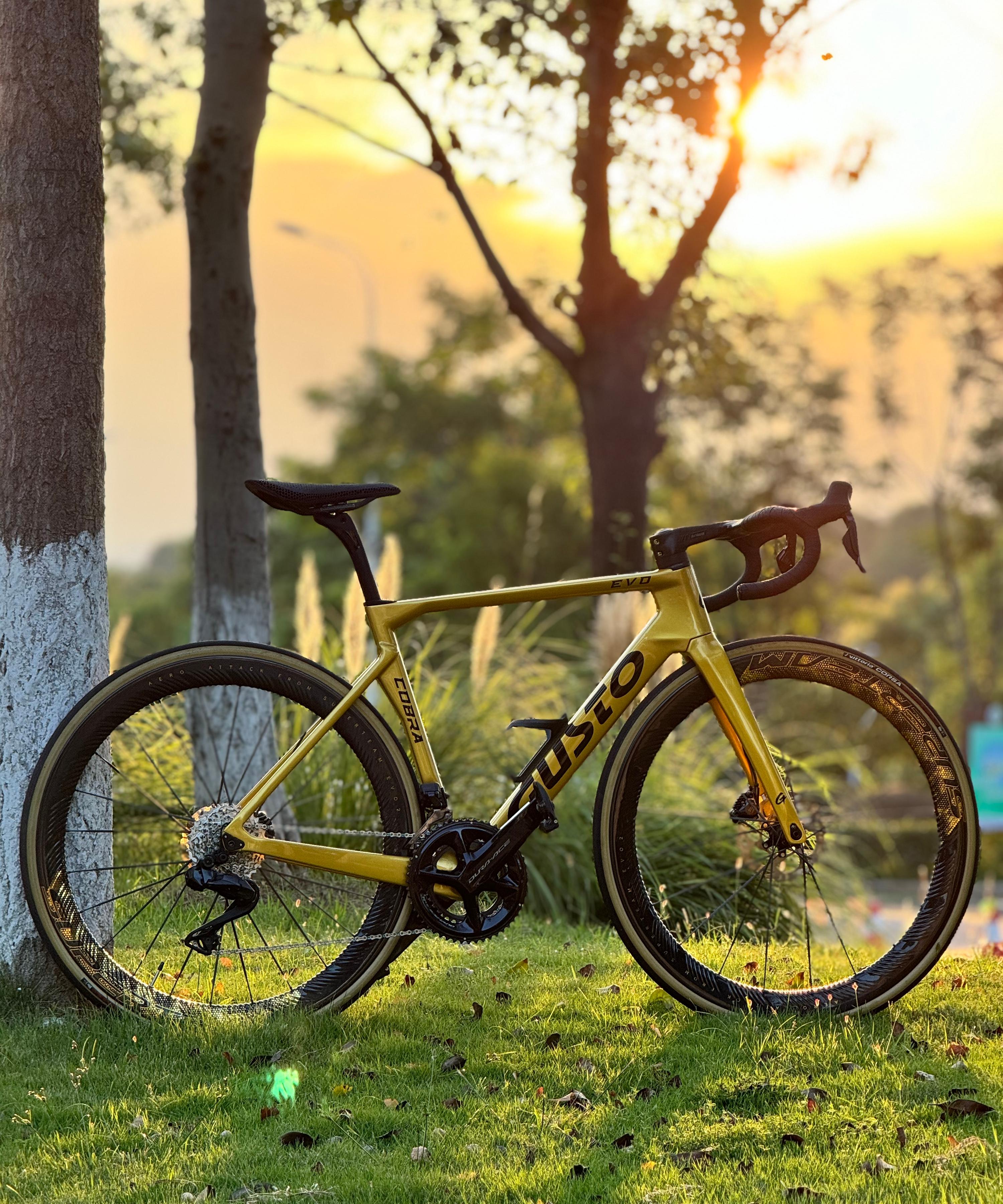
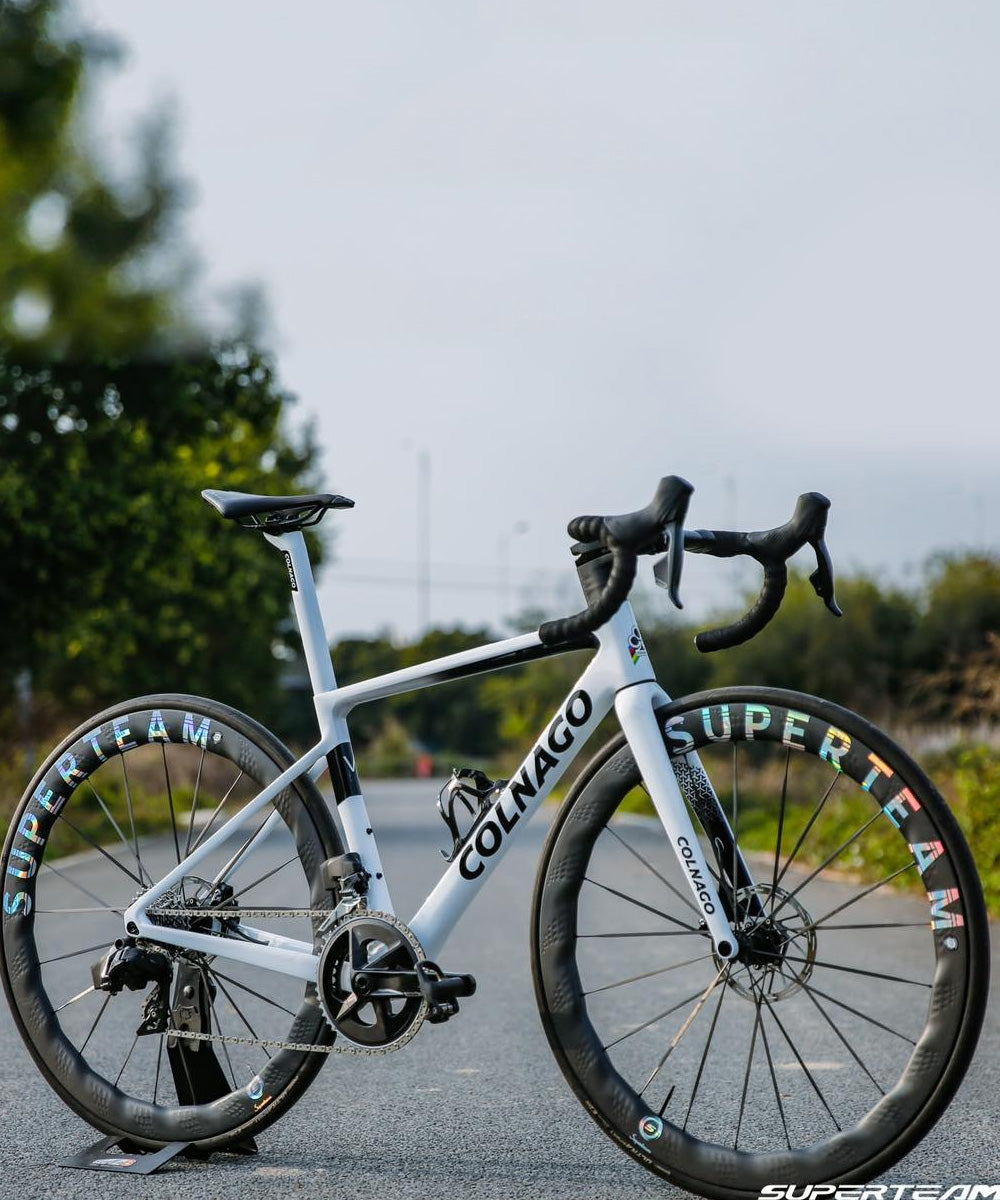
First, consider heat and wear. On a trainer, braking is rarely needed, so rim brake wear is practically zero. That means you don’t have to worry about overheating or rim surface damage—issues that can occur during outdoor descents. However, disc brake bikes can face minor rubbing or noise when mounted on a trainer due to slight misalignment under frame stress. If you’ve ever noticed that faint “ting-ting” sound during a hard effort, that’s often the rotor brushing against the pads.
Next, setup and compatibility play a role. Many smart trainers are more naturally compatible with rim brake bikes because they use standard quick-release rear dropouts. Disc brake bikes, especially those with thru-axles, may require adapters or spacers to fit correctly. While this isn’t a deal-breaker, it adds setup time—something you’ll want to minimize if you switch between indoor and outdoor bikes often.
From a maintenance perspective, rim-brake bikes tend to be simpler for indoor use. You can easily swap wheelsets, clean the frame, and avoid dealing with hydraulic fluid or rotor alignment. Disc brakes, on the other hand, are better sealed against sweat and humidity, which can be an advantage if you train in a small, non-ventilated space.
In terms of ride feel, there’s virtually no performance difference once your bike is locked into the trainer. Both brake types are inactive, and resistance is controlled by the trainer itself. However, rim brake bikes are often lighter, which can make them easier to move and mount—something to consider if your trainer setup isn’t permanent.
So, what’s the best choice? If you already have both bikes available, use your rim brake bike for the trainer to minimize disc brake maintenance and rotor wear. If you only own a disc brake bike, it’s perfectly fine to use—it just requires slightly more care in setup and cleaning.
Ultimately, the best indoor training bike is the one that’s easiest to use and maintain. Whether rim or disc, a stable setup and consistent training routine matter far more than the brake system when it comes to getting stronger and faster.