

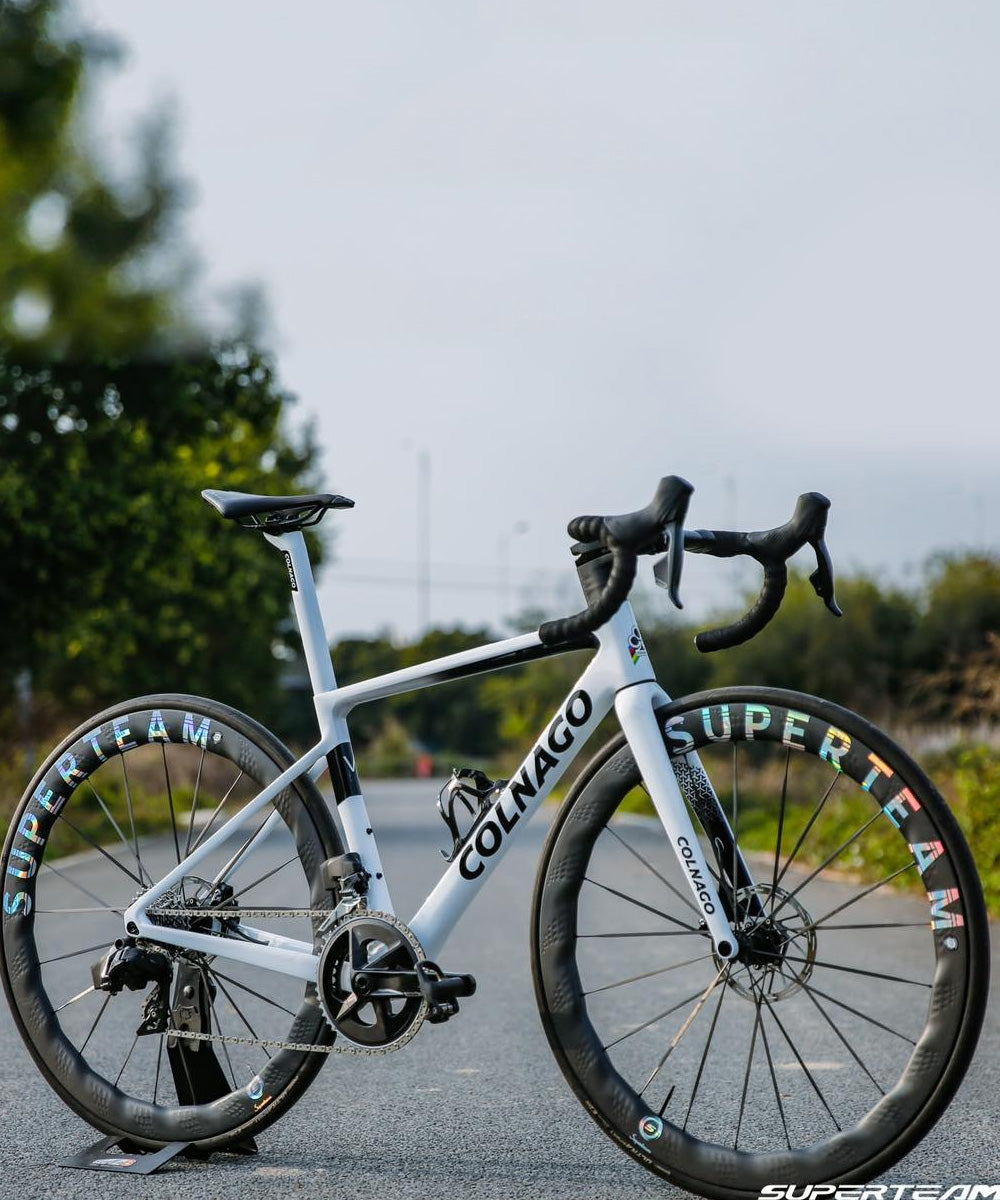


How to Store Your Bike During Winter Months
Winter bike storage is about controlling moisture, temperature changes, and long periods of inactivity. Even without riding, improper storage can cause corrosion, seal degradation, and component wear that only becomes obvious when spring arrives.
Why Storage Conditions Matter
Cold, damp environments accelerate corrosion far more than low temperatures alone. Moist air settles on metal surfaces, and repeated temperature fluctuations create condensation inside frames, bearings, and housings. Over weeks or months, this moisture does more damage than many winter rides.
Dry air is more important than warmth.
Cleaning Before Storage Makes a Difference
Storing a dirty bike traps salt, grit, and moisture against components. Road salt continues to attract water even after the bike appears dry. A thorough but gentle cleaning removes contaminants that would otherwise sit on bearings, fasteners, and braking surfaces for months.
Storage preserves the bike exactly as you put it away.
Drying Is Not Optional
After cleaning, the bike must be fully dry before storage. Water hidden in cable housings, around bolt heads, or inside the frame migrates over time. Leaving the bike in a dry room for several hours is far more effective than a quick wipe-down.
Moisture moves slowly, but constantly.
Lubrication for Storage Differs from Riding
Light protective lubrication helps prevent corrosion during storage. Chains, exposed bolts, and metal interfaces benefit from a thin protective layer. This is not about performance lubrication, but about creating a barrier against moisture.
Excess lubricant should still be wiped away.
Tire Pressure and Wheel Position
Leaving tires fully inflated in one position for months can stress sidewalls and create flat spots, especially in colder environments. Slightly reducing pressure or rotating wheel position occasionally helps distribute the load.
Hanging the bike avoids this issue entirely.
Battery and Electronics Care
For bikes with electronic shifting or accessories, battery management matters. Storing batteries partially charged and checking them periodically prevents deep discharge and capacity loss. Cold storage also accelerates battery degradation if charge levels are neglected.
Electronics age even when unused.
Frame and Bearing Considerations
Sealed bearings benefit from occasional rotation during storage. Turning the cranks or spinning the wheels monthly redistributes grease and prevents localized corrosion. Frames, especially metal ones, benefit from stable humidity more than stable temperature.
Stillness can be harmful over time.
Covering the Bike Properly
Breathable covers protect against dust without trapping moisture. Plastic covers that seal moisture inside can do more harm than leaving the bike uncovered. Air circulation is essential for long-term storage.
Protection should allow the bike to breathe.
Good Storage Prevents Spring Surprises
Many “winter damage” issues actually occur during storage, not riding. Rusted bolts, seized cables, and rough bearings often develop while the bike sits unused.
Thoughtful storage ensures the bike rides as well in spring as it did in fall.