


How to Evaluate the Lateral Stiffness of a Wheelset Before Buying
Introduction: Why Lateral Stiffness Matters
When choosing a wheelset, one term you’ll frequently encounter—especially among performance cyclists—is lateral stiffness. While often overshadowed by weight or aerodynamics in marketing materials, lateral stiffness plays a crucial role in ride feel, power transfer, and cornering stability.
But here’s the catch: it’s not always easy to evaluate lateral stiffness before buying a wheelset. This guide explains what lateral stiffness is, why it matters, and how you can assess it—even when shopping online.
What Is Lateral Stiffness in a Wheelset?
Lateral stiffness refers to a wheel’s resistance to side-to-side flex under load, especially during high-torque moments like sprinting or climbing out of the saddle. It’s different from vertical compliance, which deals with how much the wheel absorbs bumps and vibrations.
A laterally stiff wheelset will:
Transfer power more directly during hard efforts
Hold its line better during cornering
Feel more responsive under acceleration
On the other hand, a wheel that’s too flexible laterally may feel vague in corners, rub against the brake pads under stress, or waste pedaling energy through deformation.
Why It’s Difficult to Measure Directly
Manufacturers rarely publish hard numbers on lateral stiffness. Unlike weight or rim depth, there’s no standardized metric across brands, making comparison tricky.
Instead, stiffness depends on a combination of:
Spoke tension and lacing pattern
Number and type of spokes
Rim material and profile
Hub shell width and flange spacing
Axle standard (e.g, thru-axle vs. quick-release)
Because of this, riders must rely on indirect indicators and testing methods to make informed decisions.
5 Ways to Evaluate Lateral Stiffness Before Buying
1. Check Independent Lab Tests or Reviews
Publications like Tour Magazine, BikeRadar, or CyclingTips sometimes include stiffness data in their reviews. Look for:
Deflection under lateral load (measured in mm or N/mm)
Torsional and lateral stiffness rankings
Subjective comments on cornering and sprinting feel
These reviews can offer valuable real-world feedback beyond marketing claims.
2. Consider Spoke Count and Pattern
More spokes (e.g., 24–28 vs. 16–20) generally increase stiffness.
Cross-lacing patterns (2x or 3x) are stiffer than radial lacing.
Asymmetric rims and offset spoke beds improve tension balance, which enhances stiffness.
Tip: Avoid ultra-low spoke-count wheels unless you're a lightweight rider with smooth roads.
3. Inspect Rim Profile and Material
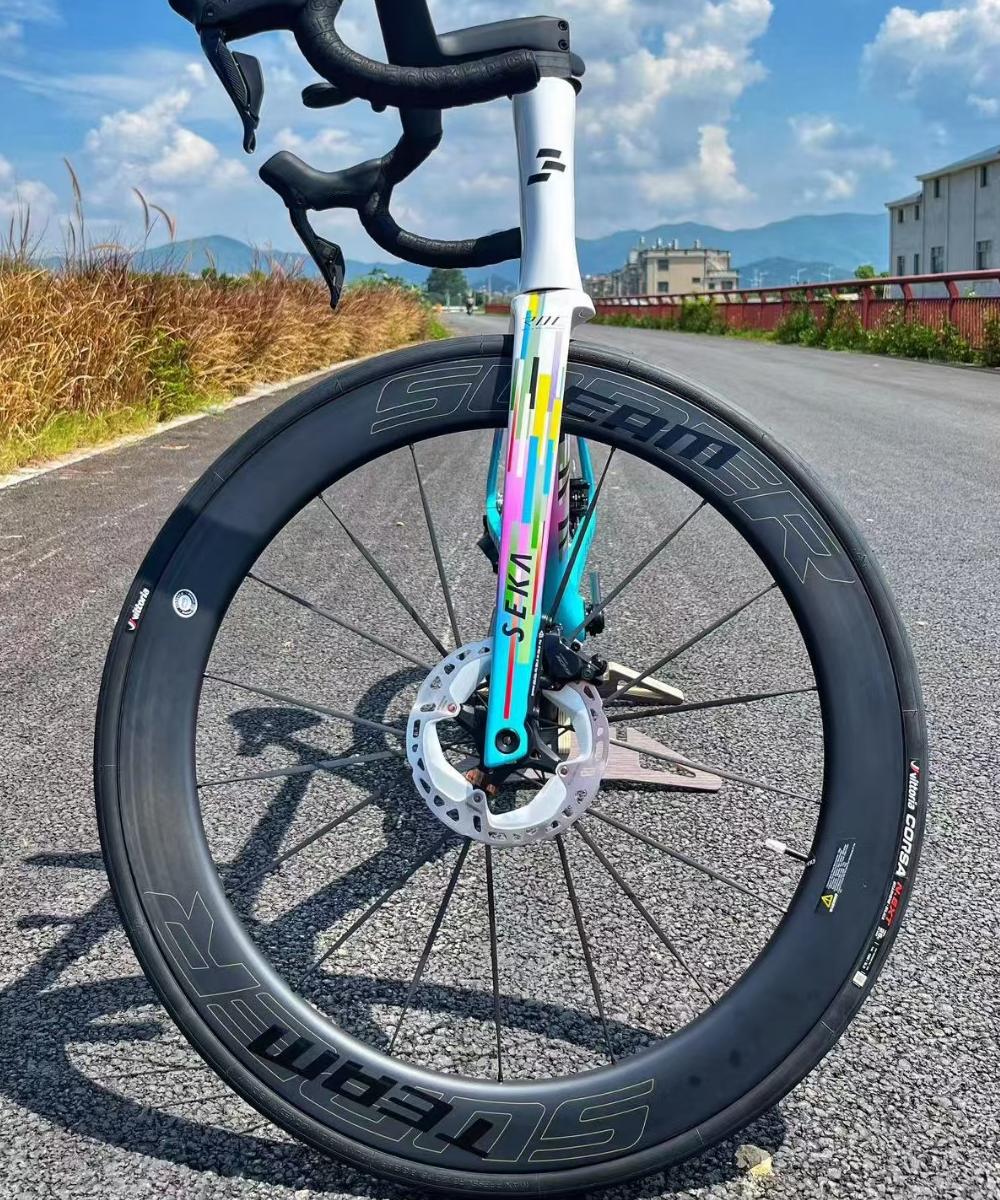
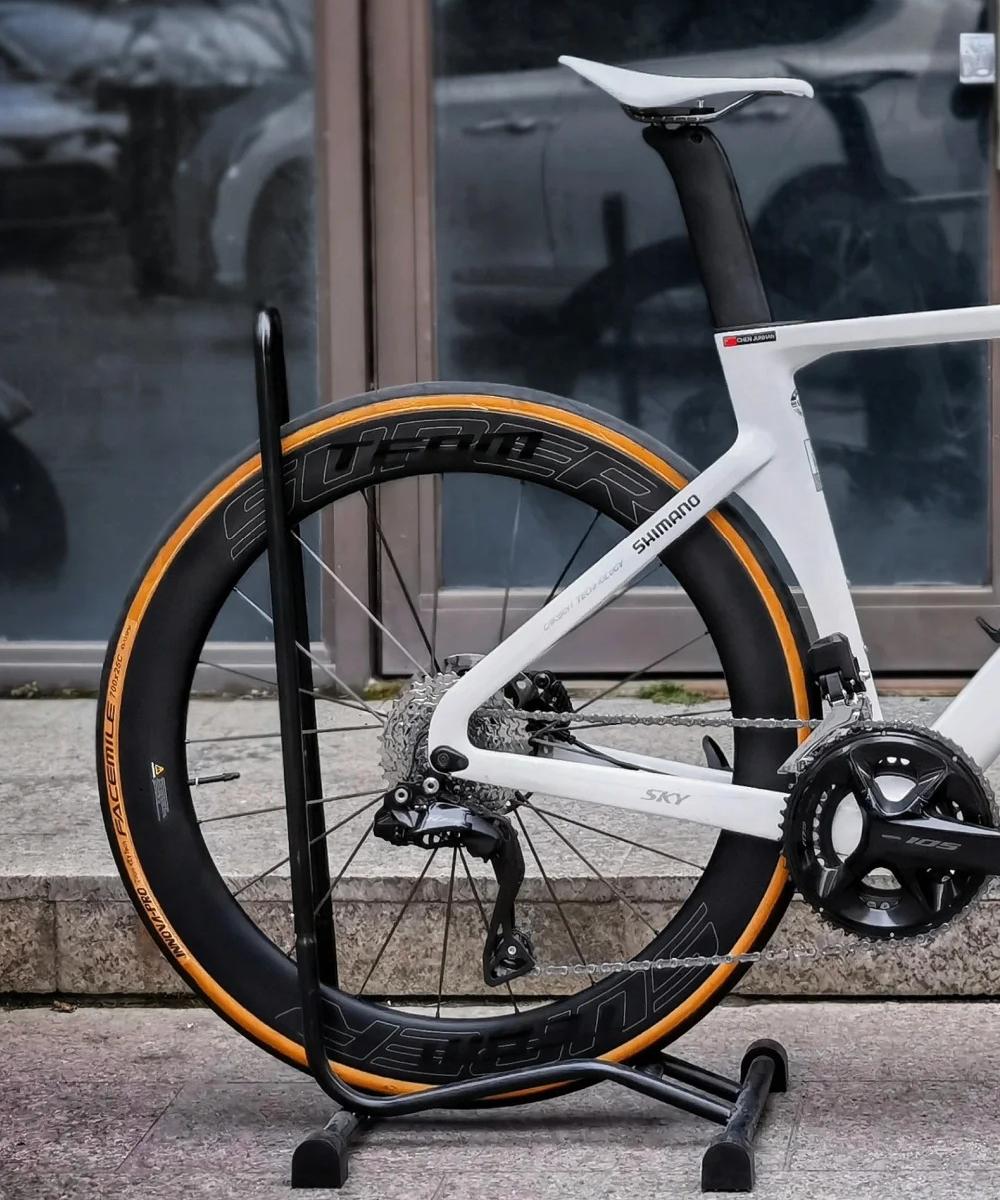
Deeper-section rims tend to be stiffer laterally, due to their structural height.
Carbon rims usually offer higher stiffness than alloy, but construction matters.
Look for reinforced spoke holes, molded spoke beds, or the use of high-modulus carbon for added rigidity.
4. Hub Design and Flange Geometry
Wider flange spacing allows spokes to create a wider bracing angle, improving lateral stiffness.
Thru-axle hubs generally result in a stiffer build compared to quick-release hubs.
Some brands offer oversized hub flanges or boost spacing on gravel wheels for added stiffness.
5. Ask the Manufacturer or Community
If specs aren’t available, reach out to the brand directly. Ask for comparative stiffness data, or request feedback from other riders via forums like:
Reddit’s r/cycling
Weight Weenies forum
RoadBikeReview
Cycling Facebook groups
Rider feedback is often honest about whether a wheelset feels “snappy” or “flexy.”
Bonus Tip: Test In-Person If Possible
If you're at a local bike shop or expo:
Squeeze the wheels side-to-side with your hands at the rim. You won’t get a full picture, but excessive flex is often noticeable.
Spin the rear wheel and press down on the crank while watching for brake pad rub. This simulates lateral flex under load.
While not scientific, hands-on impressions can offer useful context, especially when comparing multiple wheelsets back-to-back.
Final Thoughts: Match Stiffness to Your Riding Style
While lateral stiffness is important, more isn’t always better. Ultra-stiff wheels can feel harsh and unforgiving, especially on long rides or rough roads. The goal is to find a stiffness level that matches your riding style and body weight:
|
Rider Type |
Recommended Focus |
|
Sprinters / Heavy Riders |
High lateral stiffness |
|
Climbers |
Balance of stiffness and weight savings |
|
Endurance / Light Riders |
Moderate stiffness with some compliance |
|
Gravel / Adventure |
Moderate stiffness with enhanced comfort |
Conclusion
Lateral stiffness is a vital—but often overlooked—aspect of wheelset performance. While it’s difficult to measure directly before purchase, understanding the design elements that influence it can help you make a better choice.
Whether you prioritize snappy acceleration, predictable cornering, or overall ride feel, a well-balanced wheelset with appropriate stiffness will elevate your riding experience.