



How Road Bike Wheels Affect Comfort and Efficiency on Long Rides
The choice of road bike wheels plays a critical role in determining both comfort and efficiency, especially during long rides. While many riders focus on frame geometry or tire choice, wheel characteristics such as weight, stiffness, and rim profile significantly influence how energy is transferred and how the bike feels over extended distances.
1. Weight and Rotational Mass
Lighter wheels reduce rotational mass, which makes acceleration easier and climbing less taxing. On long rides, lower energy expenditure translates into improved endurance. Riders notice that lightweight wheels allow for smoother transitions between speeds and reduce fatigue, particularly on hilly or mixed terrain.
2. Stiffness and Power Transfer
Wheel stiffness affects how efficiently pedaling power is transmitted to forward motion. Overly stiff wheels can feel harsh, transmitting road vibrations directly to the rider, while wheels that are too compliant may flex under power, reducing efficiency. Modern wheels aim for a balance, offering enough stiffness for effective power transfer while maintaining some compliance to smooth out road imperfections.
3. Rim Depth and Aerodynamics
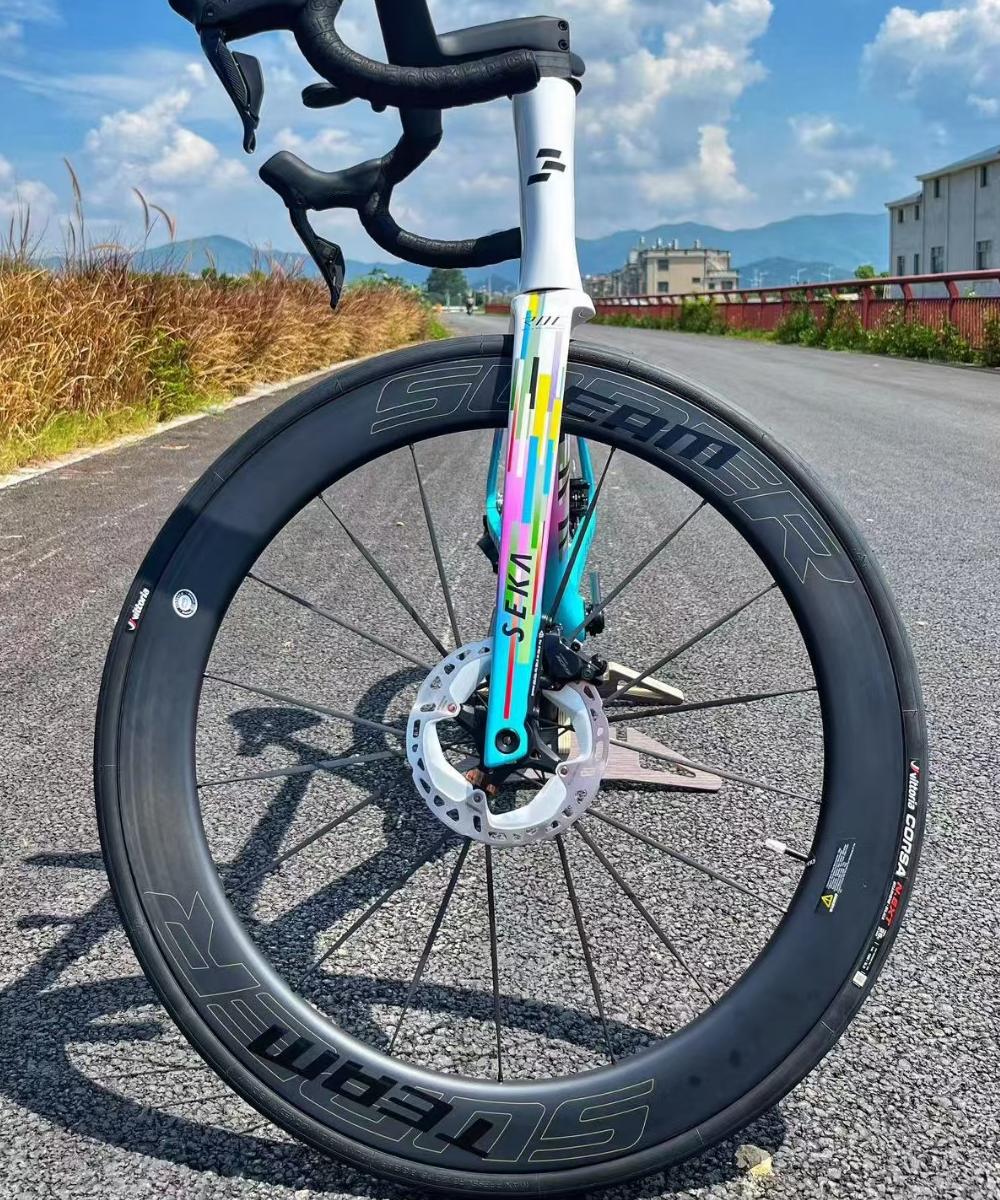
Deep-section rims reduce aerodynamic drag, allowing riders to maintain speed with less effort. On long, flat stretches, this aerodynamic advantage can save significant energy, reducing fatigue over the course of a ride. However, very deep rims can catch side winds and may affect handling, so choosing an appropriate rim depth for conditions is important.
4. Tire Compatibility and Comfort
Wider internal rim widths allow tires to maintain a more optimal shape, which improves rolling efficiency and ride comfort. Paired with slightly lower tire pressures, this can absorb road vibrations and reduce fatigue, especially on rough or uneven surfaces. Carbon and modern alloy wheels often support tubeless setups, further enhancing comfort and minimizing punctures during long rides.
5. Handling and Stability
Wheel choice also affects cornering and overall bike stability. Wider rims provide a larger contact patch with the road, improving grip and confidence in descents or fast turns. Conversely, narrower wheels may feel more responsive but can transmit more shocks, impacting comfort on longer rides.
In summary, road bike wheels are a key factor in both efficiency and rider comfort. Selecting the right combination of weight, stiffness, rim depth, and tire compatibility allows cyclists to ride longer distances more comfortably while maintaining optimal energy transfer and speed. Choosing wheels that balance these factors can transform a long ride from exhausting to enjoyable.