


Entry-Level vs Racing Wheelsets: What’s the Real Difference?
For many cyclists, upgrading wheelsets is the first serious step toward improving performance. But with prices ranging from a few hundred to several thousand dollars, it’s natural to wonder: What’s the real difference between entry-level and racing wheelsets? Is it all marketing, or are the gains truly worth the cost?
The answer lies in the details — materials, weight, aerodynamics, stiffness, and even how the wheels feel on the road.
1. Materials: Aluminum vs Carbon Fiber
Most entry-level wheelsets are built from aluminum alloys. They’re affordable, strong, and easy to maintain. Aluminum wheels offer predictable braking and are ideal for training or everyday commuting.
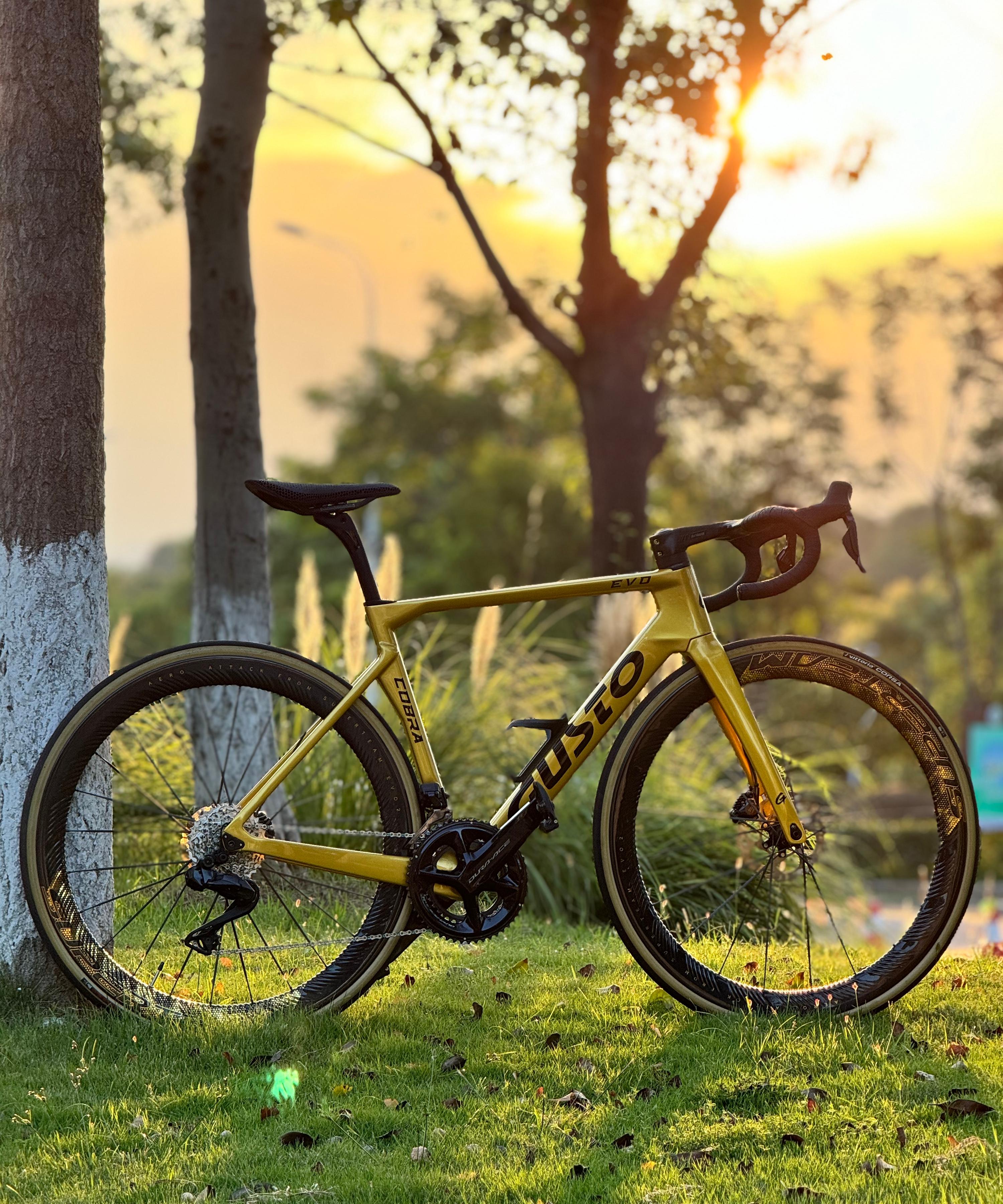
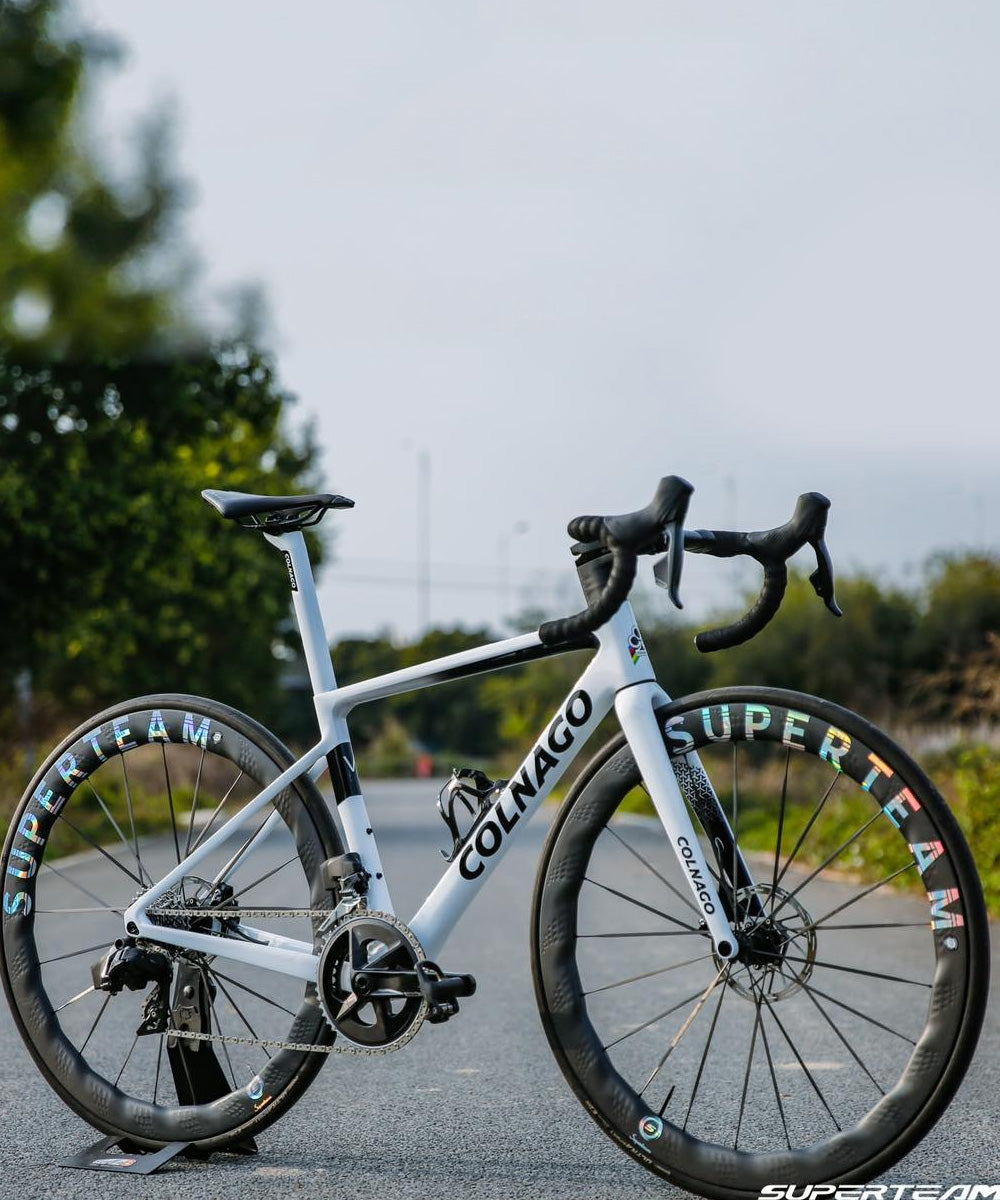
Racing wheelsets, by contrast, use advanced carbon fiber composites. This allows manufacturers to design deeper rims that are both lightweight and aerodynamic. Carbon rims can shed hundreds of grams while improving stiffness and power transfer.
In short, aluminum focuses on reliability; carbon focuses on performance.
2. Weight and Responsiveness
Weight is one of the most noticeable differences. A lightweight racing wheelset might weigh 1300–1500 grams, while entry-level sets typically range from 1700–2000 grams.
That few hundred grams might not sound like much, but when it comes to rotational mass, it’s huge. Every acceleration, climb, or sprint requires less effort with lighter wheels. The result is a more “lively” and responsive ride feel — something racers describe as instant acceleration.
Entry-level wheels, while heavier, often feel more stable and forgiving, which suits beginners and endurance riders who prioritize comfort over razor-sharp reactions.
3. Aerodynamics and Rim Profiles
Racing wheels are designed using wind-tunnel data and computational fluid dynamics (CFD). Their deep-section rims (45–65mm) reduce drag, saving watts at higher speeds. Entry-level wheels, on the other hand, are usually shallow-profile (25–35mm) for easier handling and lower manufacturing cost.
For flat or fast group rides, aero wheels deliver a clear advantage. However, they’re more expensive to produce and may require careful handling in crosswinds — another reason beginners often start with shallower rims.
4. Stiffness and Power Transfer
High-end wheels are stiffer laterally — meaning less energy is lost through flex. This stiffness translates to better sprinting power, faster corner exits, and improved climbing efficiency.
Entry-level wheels are typically more flexible, providing a smoother, more comfortable feel. While this can slightly reduce performance under hard efforts, it also reduces fatigue during long rides — perfect for new riders still building fitness and handling skills.
5. Hubs, Bearings, and Engagement
In racing wheels, hubs are often precision-machined with high-quality sealed bearings and faster engagement mechanisms. These details improve rolling efficiency and responsiveness, especially noticeable during accelerations and technical riding.
Entry-level wheels may use basic steel bearings and slower engagement pawls. They’re easier to maintain but not as smooth or efficient.
6. Durability and Maintenance
Ironically, entry-level aluminum wheels can often handle more abuse — potholes, rough roads, and bad weather. Carbon racing wheels require more care and proper brake pads (if rim-brake). However, carbon’s resilience and stiffness give it superior long-term performance when maintained correctly.
7. Who Should Choose Which?
If you’re new to cycling, training daily, or on a budget, entry-level wheels are practical and reliable. They offer solid performance without breaking the bank.
If you’re racing, chasing personal bests, or riding at high speeds regularly, a racing wheelset is a transformative upgrade. You’ll feel the difference every time you accelerate, climb, or push above 35km/h.
8. Final Thoughts
The gap between entry-level and racing wheelsets isn’t just about cost — it’s about engineering focus. Entry-level wheels are built for durability, comfort, and affordability. Racing wheels are crafted for precision, speed, and maximum performance.
When you upgrade, you’re not just buying lighter materials — you’re buying a different riding experience.