

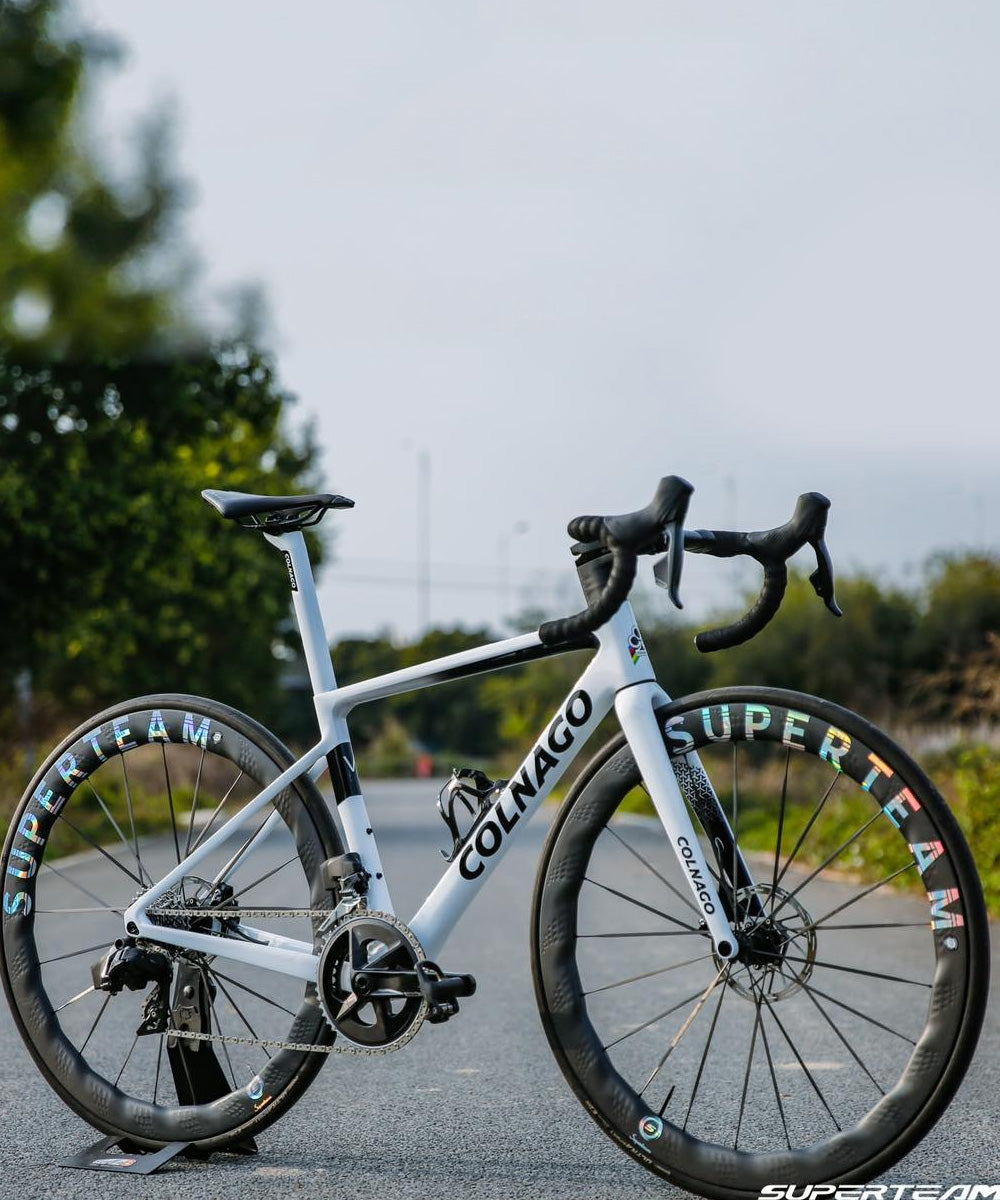


Disc Brake Maintenance Tools Every Road Cyclist Should Own
Modern road bikes rely heavily on disc brakes for consistent stopping power in all conditions. While disc systems are reliable, they still require regular maintenance to perform quietly, smoothly, and safely. Owning the right tools allows road cyclists to handle routine checks, minor adjustments, and early problem detection at home without relying on a workshop for every issue.
A torque wrench is the most essential disc brake tool. Rotor bolts, caliper mounting bolts, and thru-axles all have specific torque requirements. Overtightening can damage carbon frames or strip bolts, while undertightening can cause noise or unsafe braking. A small-range torque wrench covering common values used on rotors and calipers is ideal for road bikes.
A set of hex keys and Torx keys is equally important. Most disc brake systems use 4 mm, 5 mm, or T25 bolts. High-quality keys with precise edges reduce the risk of rounding bolts, especially rotor bolts that may be exposed to heat and corrosion.
Brake pad spreaders or piston press tools help reset pistons when replacing pads or correcting pad rub. Using a proper spreading tool prevents damage to pistons and seals that can occur if screwdrivers or improvised tools are used.
Feeler gauges are simple but highly effective for diagnosing disc brake rub. By sliding thin gauge blades between the rotor and pads, you can identify uneven spacing, warped rotors, or misaligned calipers. This tool is especially useful when fine-tuning caliper position.
A rotor truing tool is invaluable for correcting minor rotor bends caused by heat or transport damage. Small adjustments can eliminate rubbing and noise without replacing the rotor. Dedicated rotor tools apply controlled force and reduce the risk of cracking or over-bending the rotor.
Isopropyl alcohol and lint-free wipes are critical cleaning tools. Contaminated rotors or pads are a common source of noise and reduced braking performance. Alcohol safely removes oil, grease, and residue without leaving a film.
A flashlight or inspection light should not be overlooked. Strong directional light helps identify glazing on pads, discoloration on rotors, leaks at hose connections, and uneven pad wear. Many disc brake issues are easier to diagnose visually than by feel alone.
For hydraulic systems, a basic bleed kit matched to your brake brand is a worthwhile addition. While full bleeds are not frequent, having the correct syringes, fittings, and fluid allows you to restore lever feel after overheating or pad replacement.
Finally, disposable gloves and clean shop towels help maintain a contamination-free workspace. Disc brakes are highly sensitive to oils from skin contact, and simple precautions can prevent performance issues later.
With these tools, road cyclists can confidently maintain their disc brake systems, extend component lifespan, and ensure consistent braking performance on every ride.