

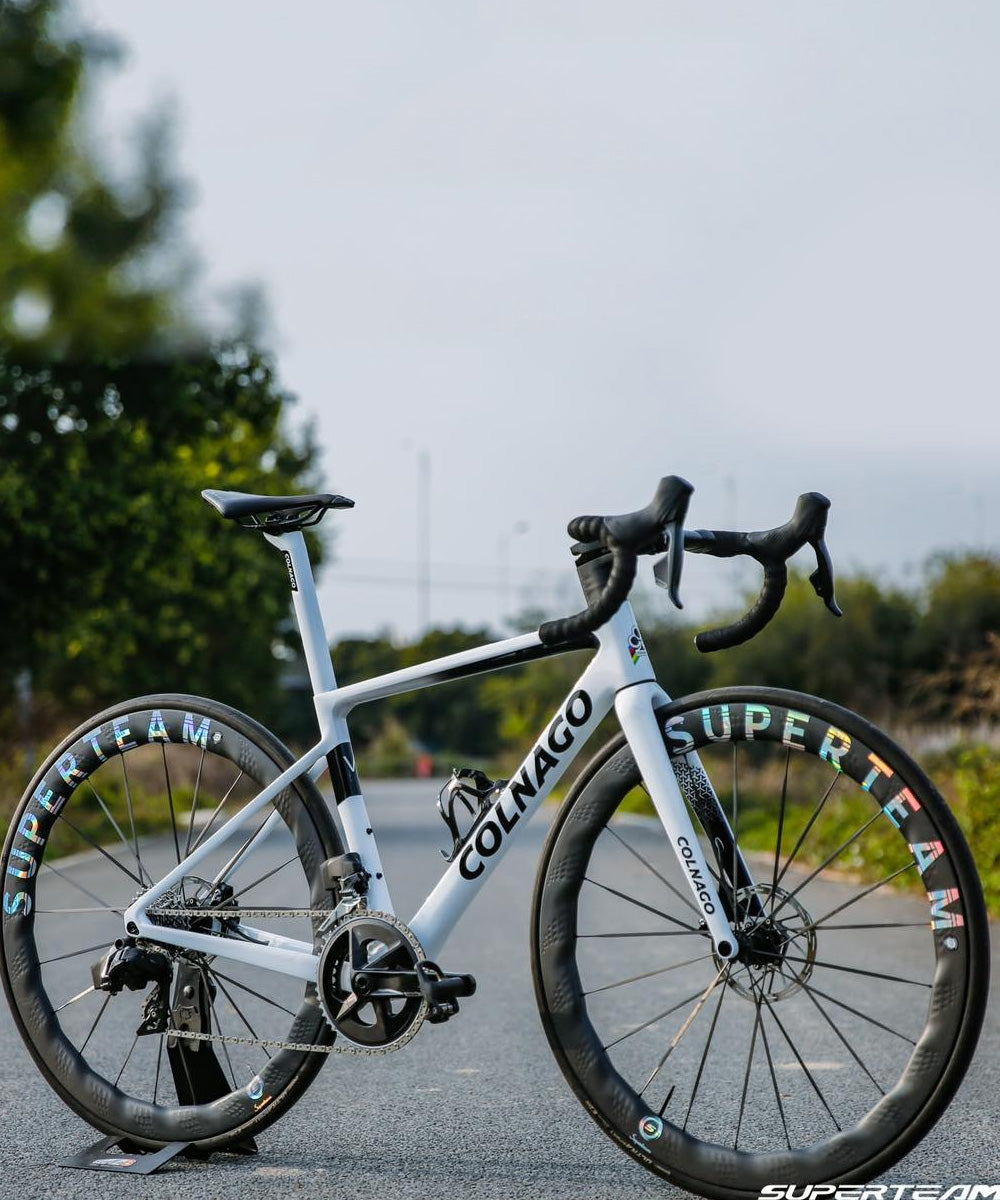


Carbon Spokes vs Steel Spokes: What Riders Should Know
When choosing a high-performance wheelset, one of the most important yet often overlooked components is the spoke material. Traditionally, steel spokes have dominated the market, but in recent years, carbon fiber spokes have become increasingly popular in premium wheels. Both materials offer distinct advantages and trade-offs, and understanding these differences can help riders make an informed decision.
1. Weight and Stiffness
Carbon Spokes
Weight: Carbon spokes are lighter than steel, contributing to a lower overall wheel weight.
Stiffness: Carbon offers excellent rigidity, improving power transfer and responsiveness during sprints and climbs.
Ride Feel: Increased stiffness can sometimes result in a harsher ride on rough roads.
Steel Spokes
Weight: Heavier than carbon, but modern butted steel spokes balance strength and lightness.
Stiffness: Slightly more forgiving than carbon, providing a smoother ride feel.
Ride Feel: Better shock absorption compared to carbon, especially on endurance rides.
2. Durability and Strength
Carbon Spokes
Strength: Extremely strong under tension, but more brittle under impact (e.g., crashes or rock strikes).
Durability: Long-lasting if not damaged, but more difficult to repair in the field.
Failure Mode: If a spoke breaks, replacement may require specialized tools and professional service.
Steel Spokes
Strength: Highly durable and able to bend without snapping.
Durability: Resistant to long-term fatigue, with proven reliability in racing and touring.
Failure Mode: Broken steel spokes are relatively easy to replace, even roadside.
3. Aerodynamics
Carbon Spokes
Can be molded into aero shapes, reducing drag compared to traditional round steel spokes.
Often paired with deep-section rims for maximum aerodynamic gains.
Steel Spokes
Typically come in round or bladed (flattened) designs.
Aero steel spokes perform well but usually don’t match the drag reduction of carbon profiles.
4. Maintenance and Cost
|
Feature |
Carbon Spokes |
Steel Spokes |
|
Weight |
Very light |
Moderate |
|
Stiffness |
High (responsive) |
Medium (forgiving) |
|
Durability |
Strong but brittle |
Strong and resilient |
|
Replacement |
Specialized, costly |
Easy, affordable |
|
Aerodynamics |
Excellent (molded shapes) |
Good (bladed steel) |
|
Cost |
High |
Lower |
5. Practical Considerations
Racers and Climbers: Carbon spokes are ideal for riders seeking maximum stiffness, responsiveness, and weight savings.
Endurance Riders and Tourers: Steel spokes offer proven reliability, easier maintenance, and a more forgiving ride.
Budget and Repairs: Riders who value easy maintenance and lower cost will find steel more practical, while performance-focused riders may prefer carbon despite the higher expense.
Conclusion
Both carbon and steel spokes have a place in modern wheel design. Carbon spokes deliver cutting-edge stiffness, aerodynamics, and weight savings, making them a strong choice for racing and climbing. Steel spokes, however, remain unmatched for reliability, repairability, and value. The choice ultimately depends on whether a rider prioritizes pure performance or long-term practicality.