


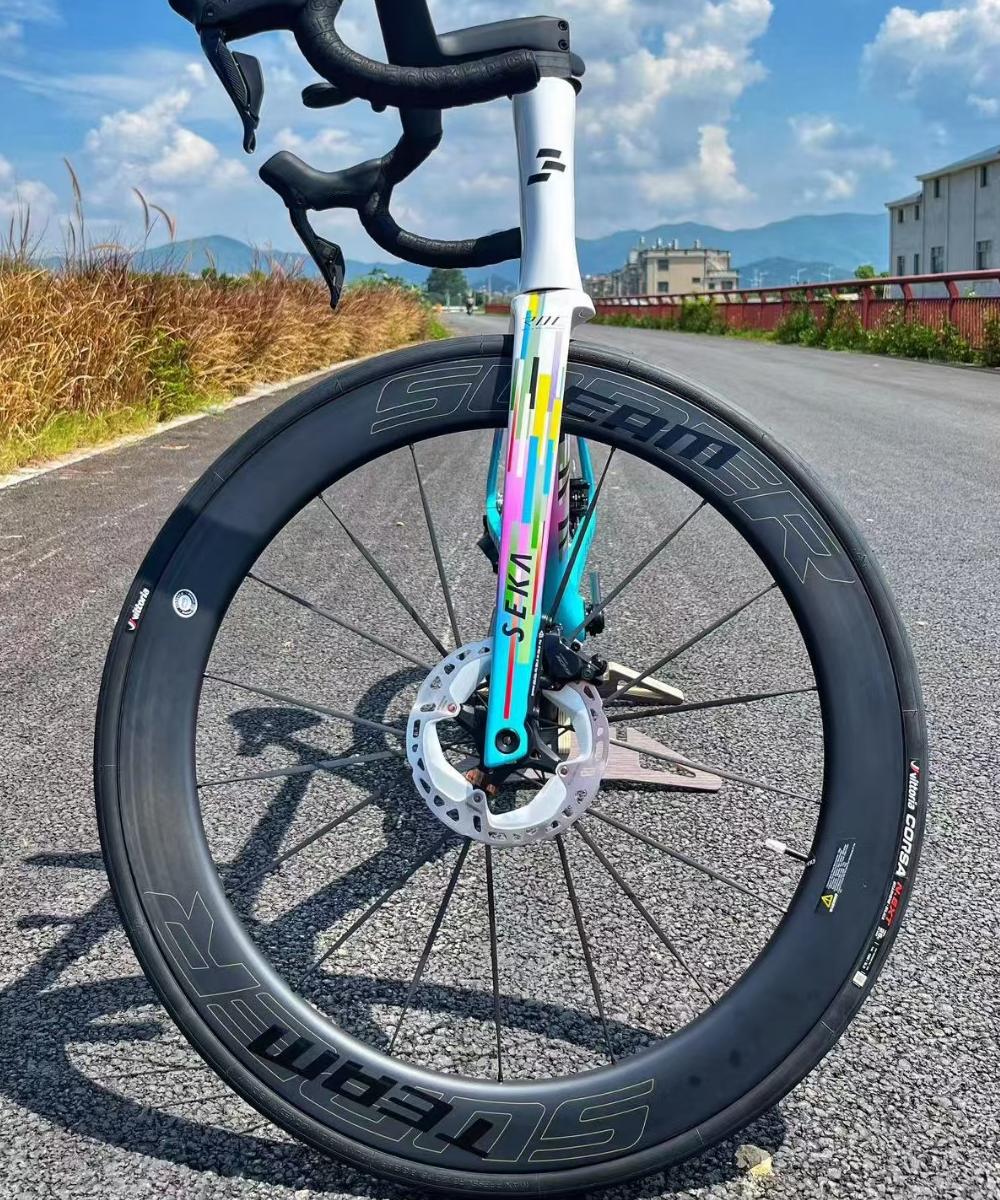

Brake Maintenance for Winter Road Cycling
Winter riding places unique stress on road bike braking systems. Cold temperatures, moisture, road salt, and grit combine to reduce braking performance while accelerating wear. Effective winter brake maintenance is less about frequent adjustments and more about preventing contamination before it causes problems.
How Cold Affects Braking Performance
Low temperatures reduce pad friction, especially during the first few brake applications. Hydraulic fluid thickens slightly in the cold, while mechanical systems can suffer from increased cable friction. Both effects make brakes feel less responsive until heat builds.
This change is normal, but poor maintenance exaggerates it.
Moisture and Contamination Build Quickly
Wet roads spray water and fine grit directly onto calipers and rotors. Road salt further complicates matters by attracting moisture and promoting corrosion. Once contaminants embed in pads, braking becomes noisy, inconsistent, and less powerful.
Clean brakes are more important in winter than perfectly adjusted ones.
Pad Wear Accelerates in Cold, Wet Conditions
Brake pads wear faster in winter due to abrasive contamination. Grit acts like sandpaper, especially on long descents where braking is continuous. Pads that last months in summer may need replacement after a few weeks of winter riding.
Frequent inspection prevents sudden loss of braking performance.
Rotor Care Is Often Overlooked
Rotors are exposed metal surfaces and collect salt residue easily. Light surface corrosion can form quickly when a bike is stored wet. While this often clears after riding, repeated corrosion accelerates rotor wear and increases noise.
Regular wiping after rides reduces long-term damage.
Cable and Hose Attention Matters
Mechanical brake cables are particularly vulnerable in winter. Moisture entering housing can freeze or increase friction, leading to poor brake return. Hydraulic hoses are more protected, but fittings and calipers still collect grime.
Smooth braking feel often depends on areas riders rarely check.
Avoiding Aggressive Cleaning
High-pressure water and strong solvents push contamination into calipers and damage seals. Gentle rinsing, soft brushes, and mild cleaners preserve braking components better than forceful washing.
Winter cleaning should be controlled, not aggressive.
Bed-In and Re-Bed Pads When Needed
Contaminated pads may glaze or lose consistent friction. Light sanding and proper re-bedding can restore performance if contamination is mild. Severely soaked or oily pads, however, should be replaced rather than salvaged.
Reliable braking matters more than saving worn pads.
Storage and Post-Ride Habits
Leaving a wet bike in cold conditions encourages corrosion and pad contamination. After winter rides, drying the braking surfaces and storing the bike in a stable environment reduces long-term issues.
Good braking performance in winter starts after the ride ends.
Winter Brake Maintenance Is Preventive
The goal of winter brake maintenance is consistency, not peak performance. By keeping components clean, inspecting wear frequently, and avoiding practices that force moisture into the system, riders maintain predictable braking even in harsh conditions.
In winter, predictable brakes are safer than powerful ones.