
10 Things to Know Before Buying a Carbon Fiber Wheelset
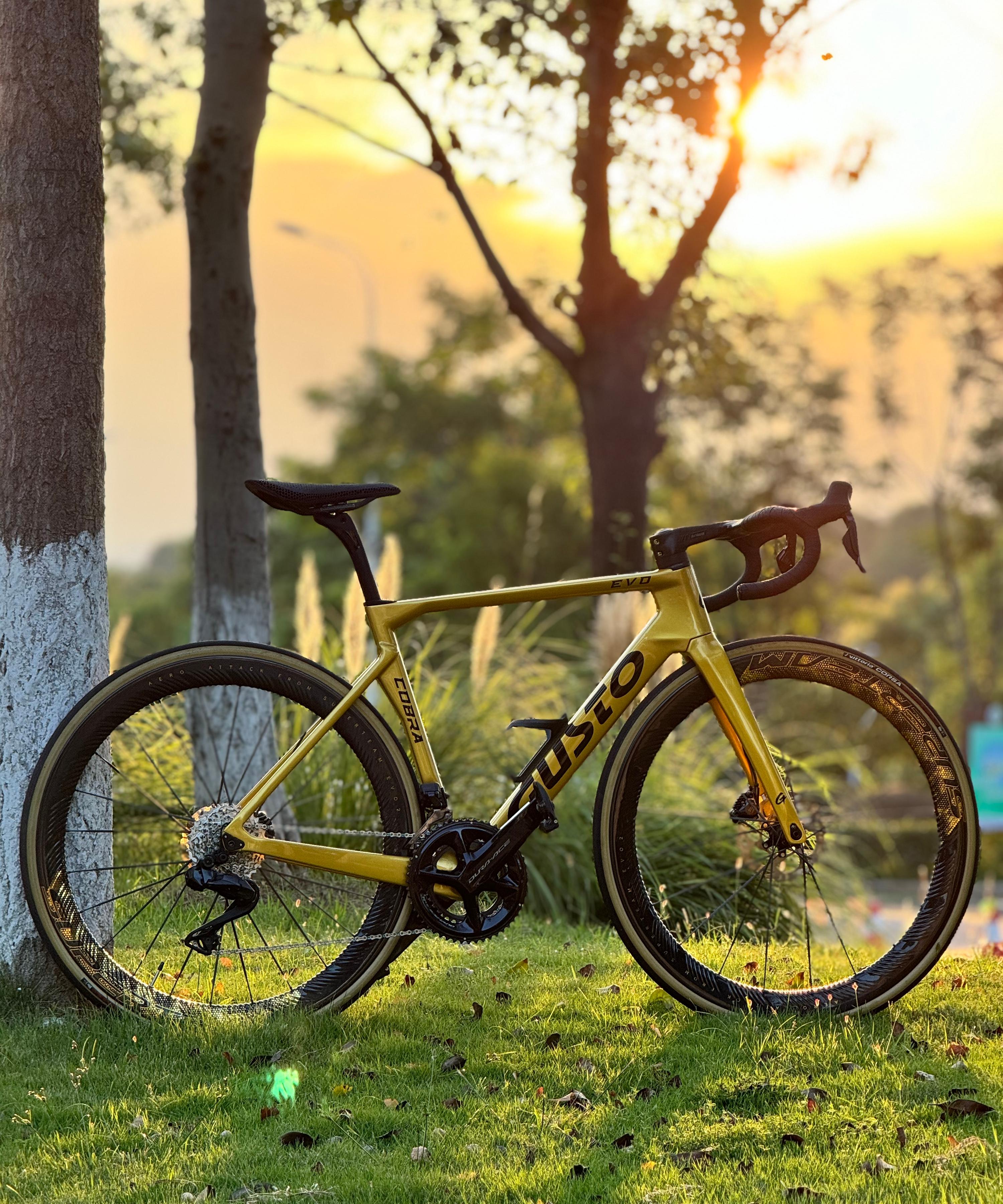
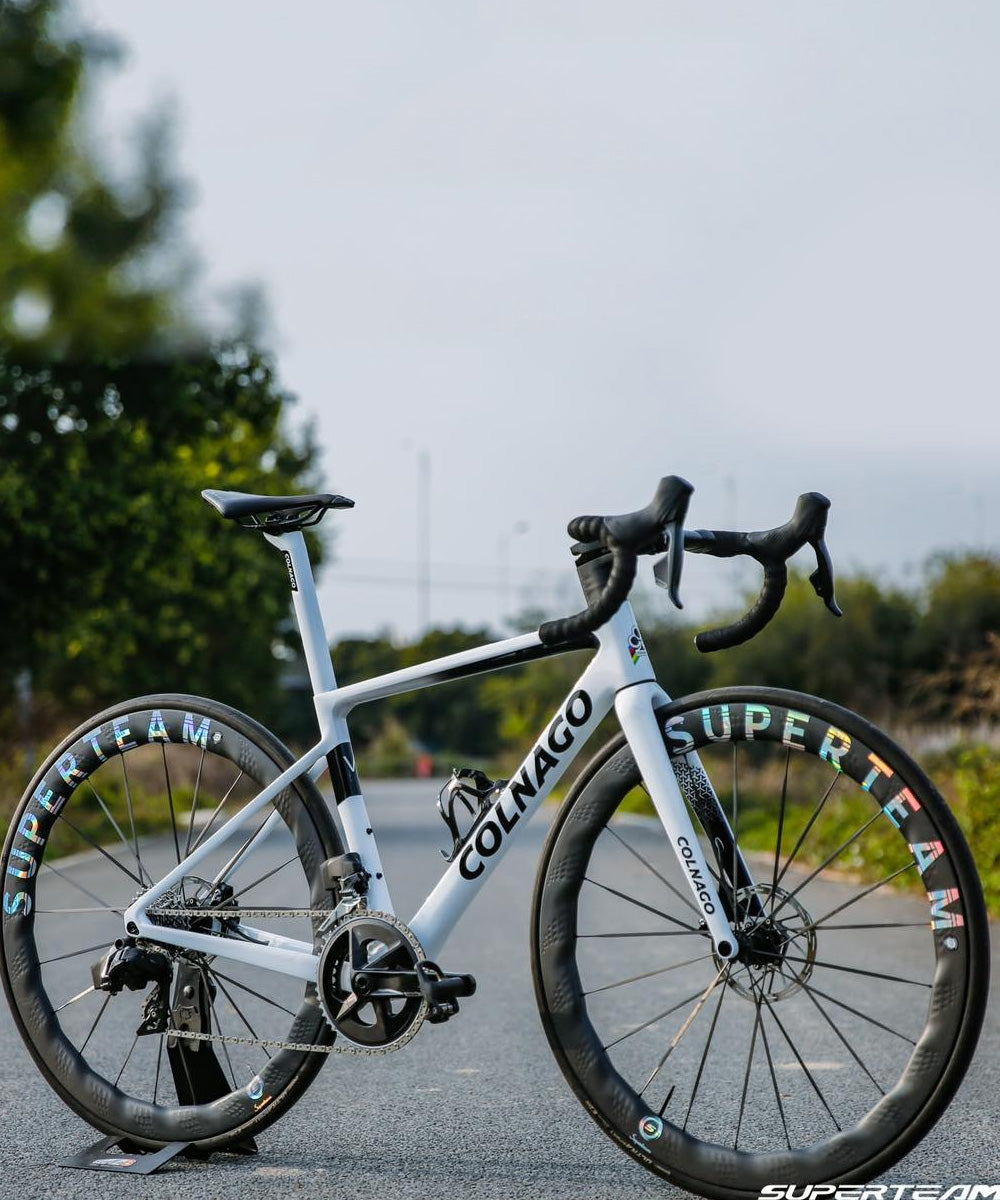
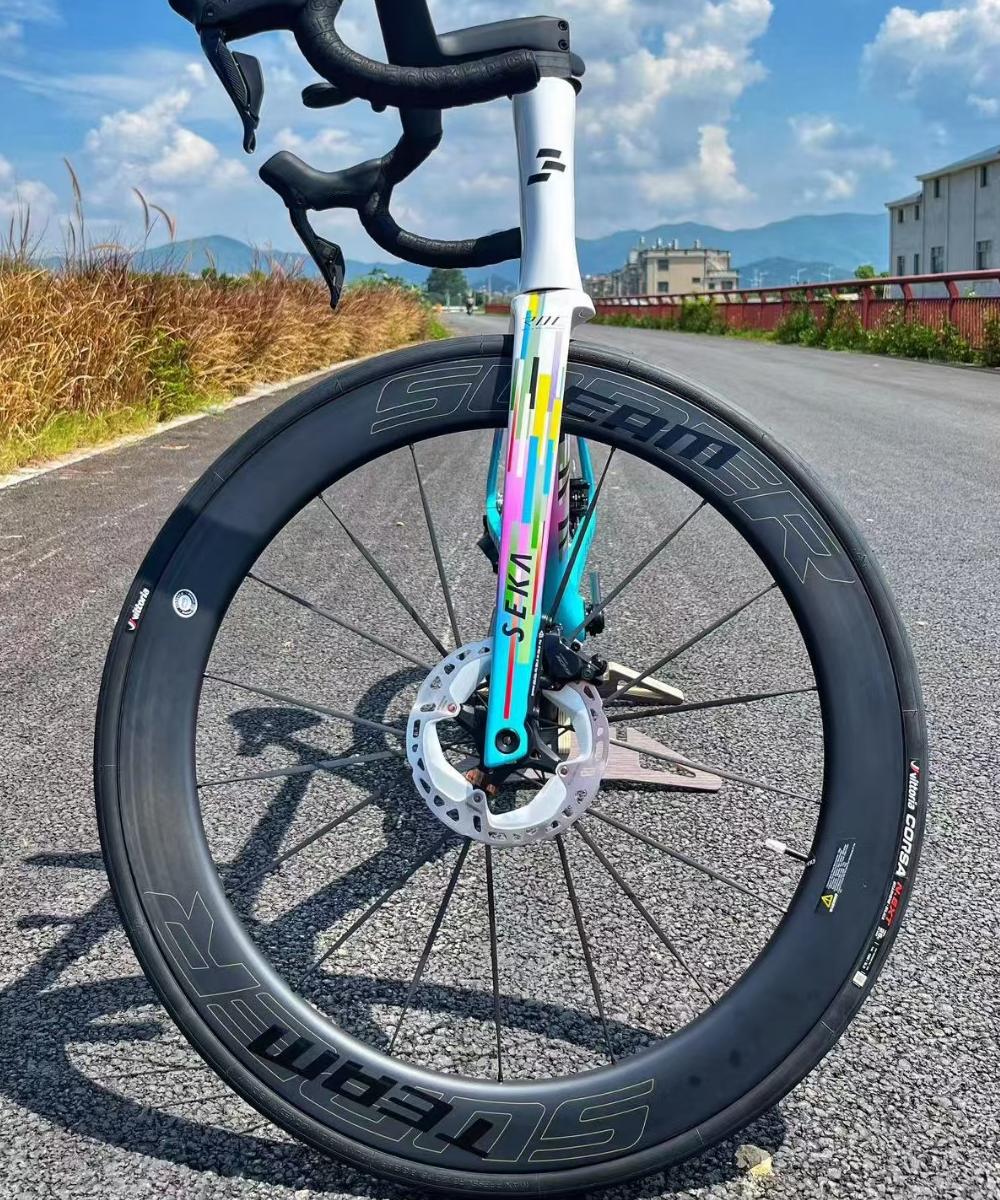
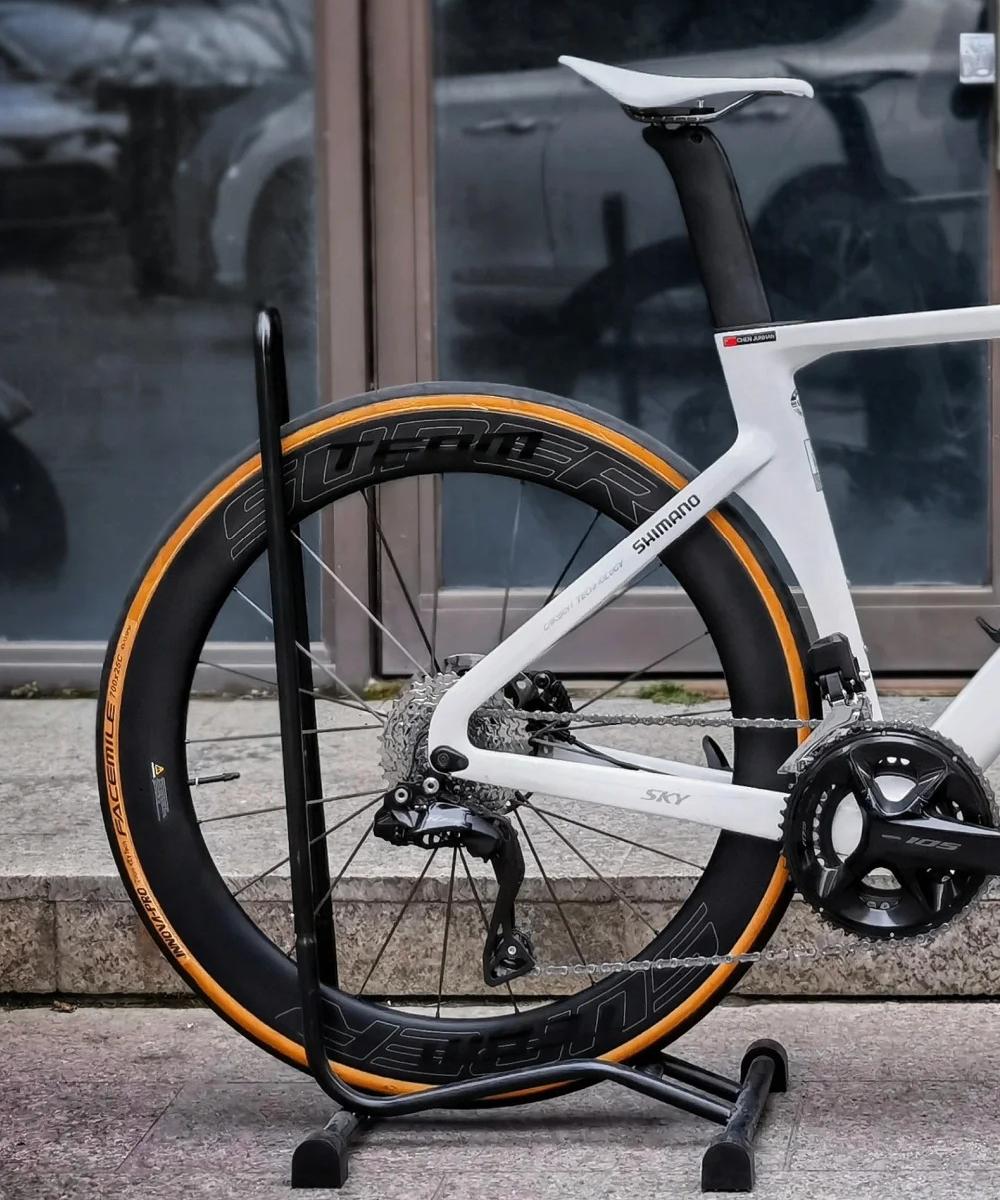
A carbon fiber wheelset can be an exciting upgrade for almost any performance-oriented road cyclist. Compared with traditional wheels, carbon rims can offer excellent aerodynamic performance, competitive weight, high stiffness, and a distinctive riding feel.
However, there are many technical details that should be considered before buying. Here are 10 important things to know.
## 1. Decide What Kind of Rider You Are
Your riding style should determine your wheel choice.
A racer may prioritize aerodynamics and stiffness, while a climber may prefer a lightweight design. An endurance cyclist may want a balanced wheelset that combines comfort, stability, and efficiency.
There is no single best carbon wheelset for everyone.
## 2. Choose the Right Rim Depth
Rim depth is one of the most visible differences between carbon wheelsets.
Shallow rims are generally associated with low weight and climbing performance. Deep-section rims can offer stronger aerodynamic advantages at higher speeds.
For riders who want one wheelset for different types of road riding, a medium-depth design is often a practical compromise.
## 3. Understand Aerodynamics
Aerodynamic performance becomes increasingly important as speed rises.
A well-designed rim can help reduce airflow disruption around the wheel. However, aerodynamic performance is influenced by more than rim depth. Rim shape, tire width, tire profile, and the interaction between the tire and rim can all matter.
Therefore, do not judge a wheelset solely by its rim height.
## 4. Check the Internal Rim Width
Internal rim width affects how the tire sits on the wheel.
Modern road bikes commonly use wider tires than older generations, so it is important to check whether the rim is designed for your preferred tire size.
The correct tire and rim combination can contribute to better handling, comfort, rolling efficiency, and aerodynamic performance.
## 5. Check Maximum Tire Pressure
Do not assume that higher tire pressure is always better.
Carbon rims have specific pressure limits, and tire pressure should also be adjusted according to tire size, rider weight, road conditions, and tire construction.
Always stay within the manufacturer's recommended pressure range.
## 6. Confirm Axle and Freehub Compatibility
Before ordering, check your bike's axle specifications.
Modern road bikes can use different front and rear axle standards. You should also verify whether the wheelset's freehub body is compatible with your drivetrain.
This is a simple detail, but overlooking it can make an otherwise excellent wheelset unusable without additional parts.
## 7. Think About Wind Conditions
Deep carbon wheels can provide aerodynamic benefits, but strong crosswinds may affect handling.
If you frequently ride in coastal areas, exposed roads, or regions with strong seasonal winds, consider a rim depth that provides a good balance between aerodynamic efficiency and controllability.
Rim shape is also important when evaluating crosswind behavior.
## 8. Look at Spokes and Construction
The spokes are an essential part of the wheel system.
Spoke count, spoke material, tension, lacing pattern, and construction quality can affect stiffness, weight, and durability.
Carbon spokes are increasingly used in high-performance wheelsets, while traditional steel spokes remain common and proven.
## 9. Research Testing and Warranty
Before purchasing, investigate whether the manufacturer provides information about product testing and quality control.
A reliable warranty is also important. It demonstrates that the manufacturer is willing to support its products after purchase.
Pay attention to warranty coverage for rims, hubs, spokes, and manufacturing defects.
## 10. Consider the Total Cost
The purchase price is only one part of the cost.
You may also need compatible tires, tubeless accessories, rim tape, valves, spare spokes, or other components. Consider the complete setup before comparing wheelsets.
## Conclusion
A carbon fiber wheelset can be a valuable performance upgrade, but choosing the right one requires more than comparing prices and weights.
Consider your riding goals, rim depth, aerodynamics, internal width, tire pressure, compatibility, wind conditions, spoke design, testing, warranty, and total cost.
The best wheelset is not necessarily the lightest or most expensive. It is the one that fits your bike and delivers the performance you actually need.