



Temperature and Material Behavior
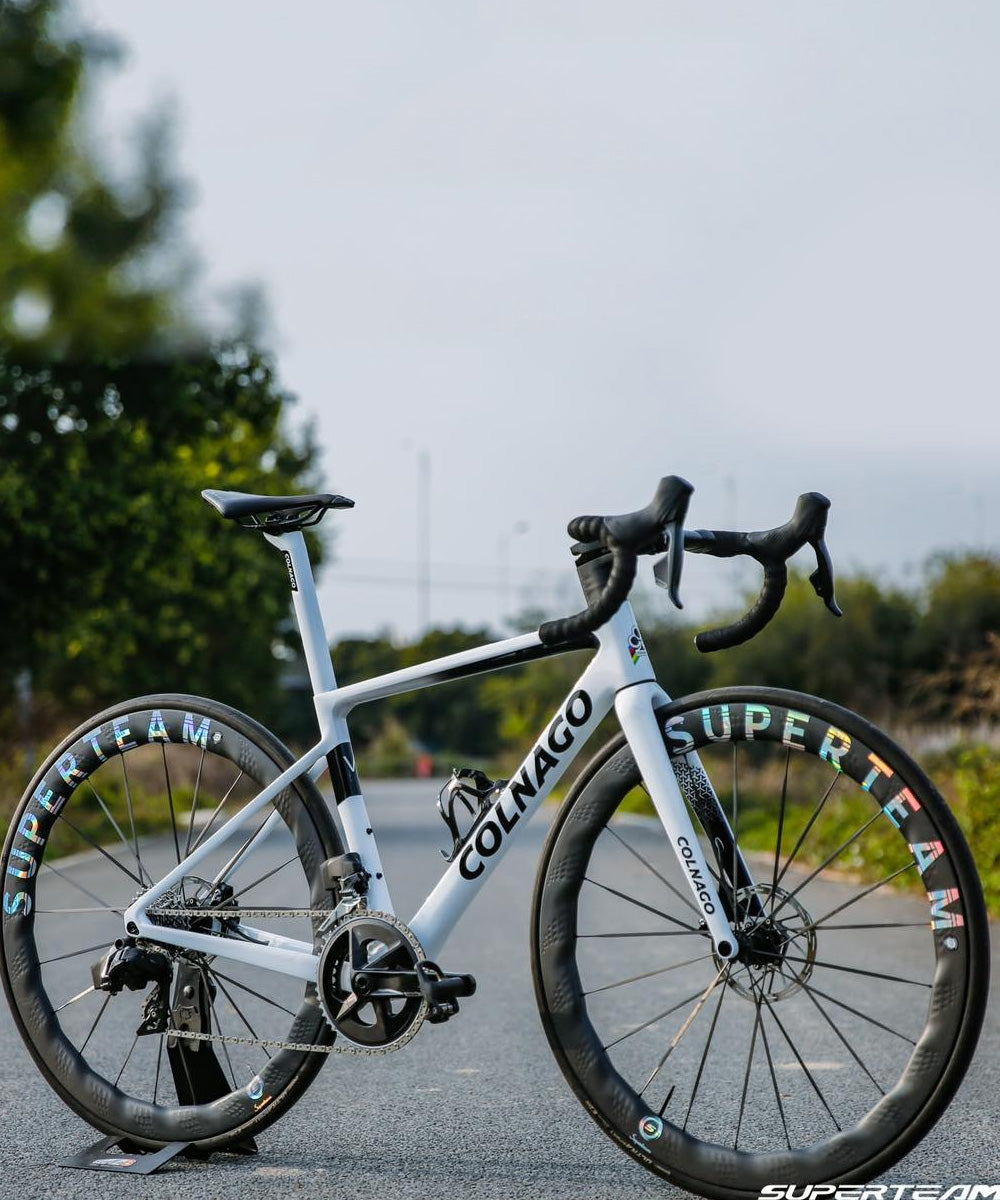
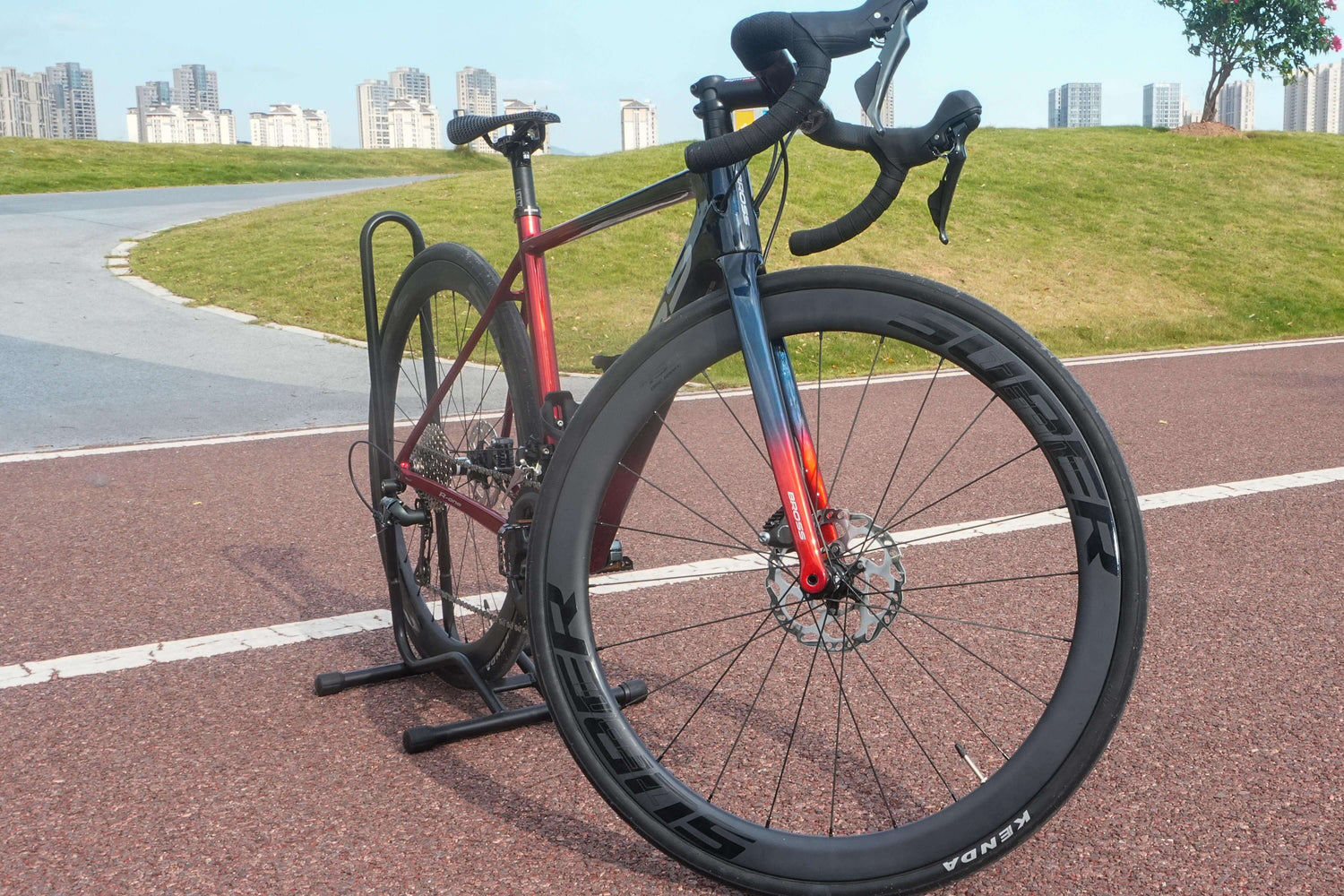
Carbon wheels are composite structures made from carbon fibers embedded in a resin matrix. While carbon fiber itself is relatively stable across temperature changes, the resin system that binds the fibers is more sensitive to cold. In winter conditions, lower temperatures increase resin stiffness, reducing its ability to dissipate micro-vibrations from the road.
This change does not make carbon wheels unsafe, but it alters how impacts and surface irregularities are transmitted to the rider. What feels smooth and muted in summer can feel sharper and more brittle in cold weather.
Reduced Damping and Increased Road Feedback
 One of the defining characteristics of carbon wheels is their engineered damping behavior. Layup orientation, resin type, and rim shape all influence how vibrations are absorbed. In winter, the reduced elasticity of the resin limits this damping effect.
As a result, small bumps, rough asphalt, and road seams are felt more clearly through the handlebars and saddle. Riders often interpret this as the wheels becoming “harsher,” even though the structural stiffness of the wheel has not changed significantly.
Tire Pressure Sensitivity in Cold Conditions
Cold air reduces tire pressure naturally, but many riders compensate by inflating tires to their usual warm-weather numbers. On carbon wheels, especially those with wide internal widths, this can unintentionally increase effective stiffness.
Wider rims support the tire sidewall more directly. Combined with higher-than-optimal winter pressure, this reduces tire deformation and increases vibration transfer. The wheel is blamed, but the real cause is the wheel-tire-pressure system working differently in cold conditions.
Changes in Tire Compound Interaction
 Winter temperatures affect tire rubber far more than carbon rims. Rubber compounds stiffen in cold conditions, reducing grip and compliance. Carbon wheels, with their high lateral stiffness, amplify this effect because there is less system flex to compensate for reduced tire deformation.
On aluminum wheels, slightly higher rim compliance can mask some of this loss. On carbon wheels, the reduced grip and comfort are more immediately noticeable, particularly during cornering and braking on cold pavement.
Bearing Grease Viscosity and Rolling Feel
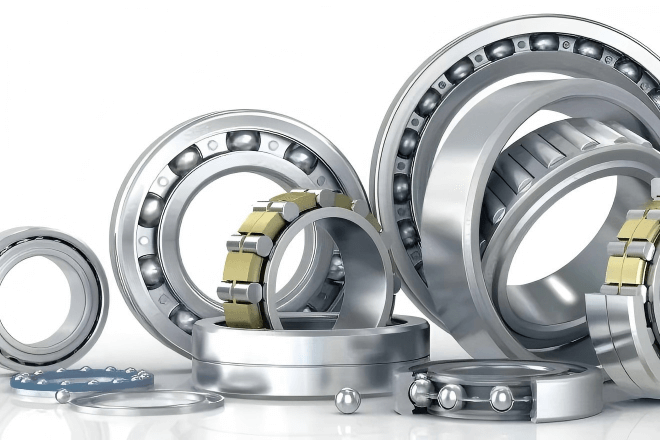
Hub bearings play a subtle but important role in how wheels feel. In winter, bearing grease thickens, increasing rolling resistance and changing feedback through the drivetrain. Carbon wheels often use high-tolerance bearings with tighter seals, which are more sensitive to grease viscosity changes.
This can create a sensation of sluggishness or muted acceleration, especially during the first minutes of a ride. The wheel may feel less “lively,” even though aerodynamic and structural properties remain unchanged.
Brake Performance Perception on Carbon Wheels

For disc brake carbon wheels, cold weather changes the braking feel indirectly. Pads require more heat to reach optimal friction, and cold rotors dissipate heat quickly. The initial bite may feel delayed, particularly with organic pads.
Because carbon wheels are often associated with high stiffness and precision, any inconsistency in braking feel becomes more noticeable. Riders may perceive the wheel as less predictable when the brake system is actually responding to temperature changes.
Wheel Stiffness vs Rider Adaptation
Carbon wheels are engineered with specific stiffness targets. These do not change meaningfully in winter, but the rider’s body does. Cold muscles and joints absorb vibration less effectively, increasing perceived harshness.
This human factor is often overlooked. The same wheelset can feel dramatically different simply because the rider is less relaxed and less able to filter micro-impacts through the body.
Impact of Road Conditions in Winter
Winter roads are rarely smooth. Cold weather causes asphalt contraction, cracks, and raised seams. Carbon wheels, with their precise tracking and low lateral deflection, follow these irregularities more directly.
In summer, tires and resin damping mask much of this. In winter, the combination of stiff tires, stiff resin, and rough surfaces creates a cumulative effect that changes ride feel significantly.
Hookless and Wide-Rim Effects in Cold Weather
Modern carbon wheels increasingly use wide internal widths and hookless designs. These systems rely heavily on tire compliance for comfort and grip. In winter, reduced tire elasticity shifts more load to the rim.
The result is a ride that feels firmer and less forgiving, even at lower pressures. Riders accustomed to summer performance may misinterpret this as a flaw when it is a system-level temperature response.
Managing Carbon Wheel Feel in Winter
 Adjusting tire pressure is the most effective way to restore comfort and control. Lower pressures than summer norms are often required, especially on wide rims. Choosing winter-appropriate tires with softer compounds also reduces harshness.
Allowing bearings and brake pads to warm up before aggressive riding improves rolling and braking feel. Small setup changes have a greater impact in winter than switching wheelsets entirely.
Why the Difference Matters
Understanding why carbon wheels feel different in winter helps riders make informed adjustments rather than abandoning high-performance equipment. Carbon wheels are not “worse” in cold conditions, but they are more honest.
They transmit changes in temperature, surface, and setup more directly. For experienced riders and editors, this makes winter an excellent environment for evaluating true wheel behavior beyond ideal summer conditions.


Leave a comment
All comments are moderated before being published.
This site is protected by hCaptcha and the hCaptcha Privacy Policy and Terms of Service apply.