
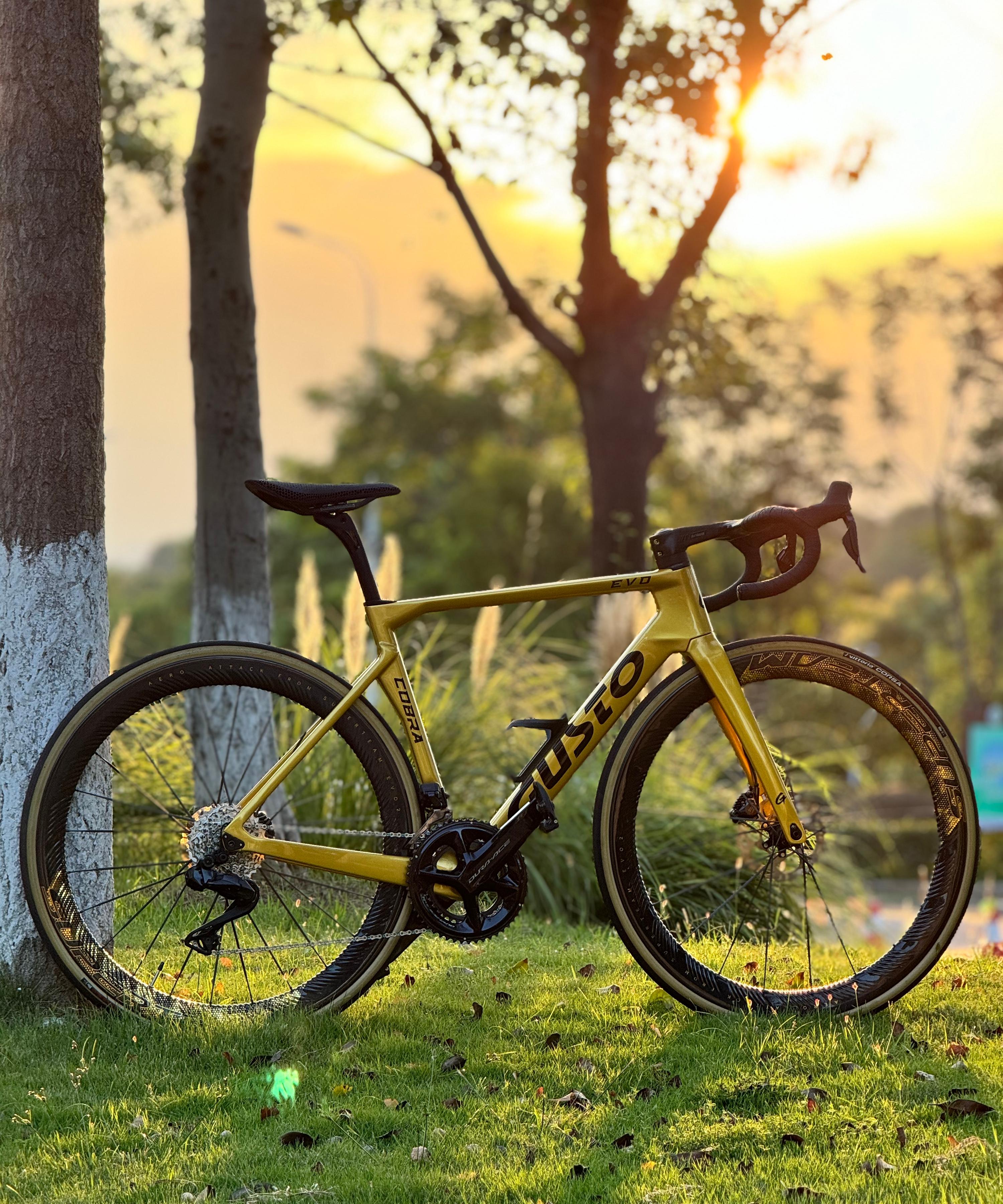
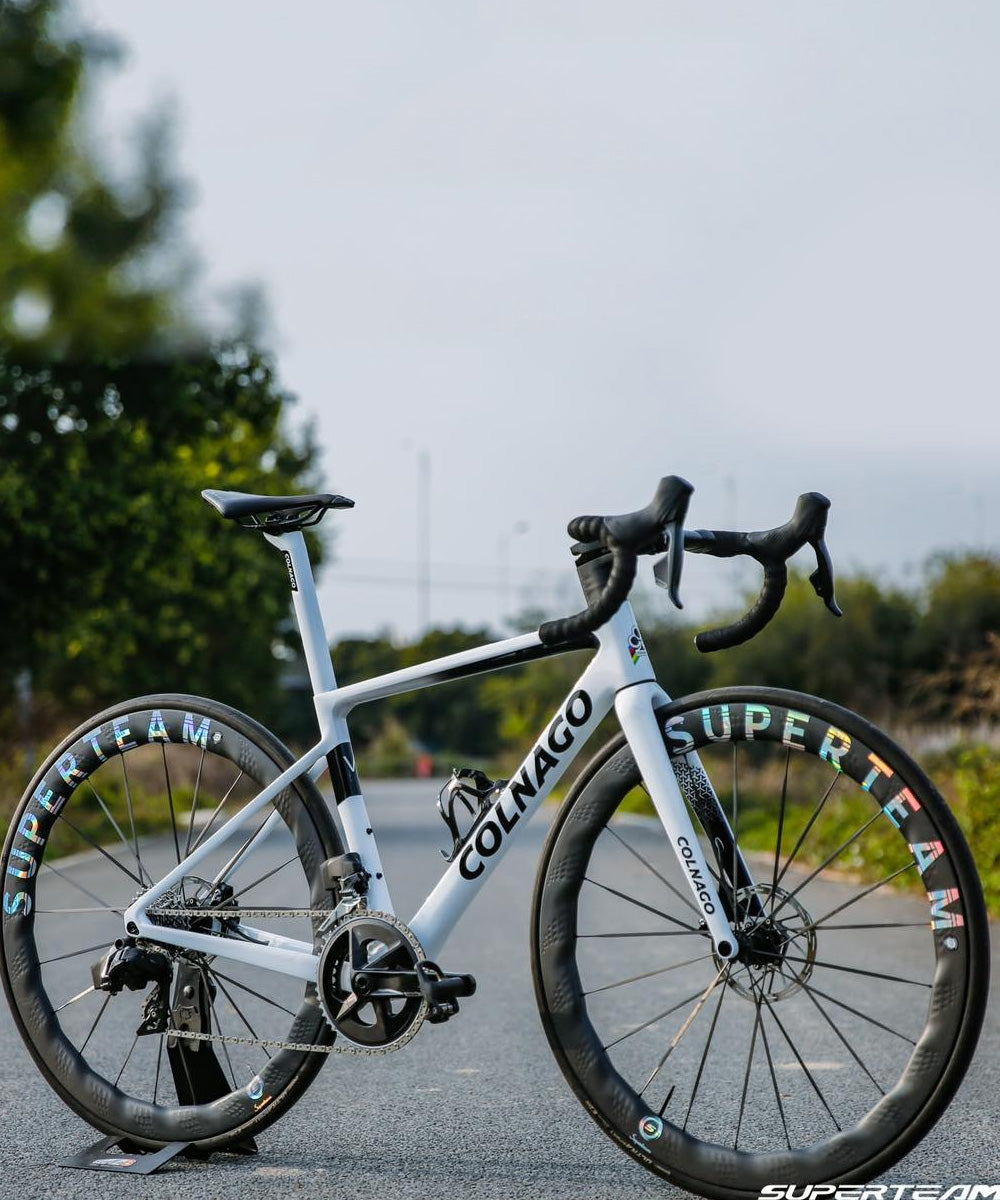


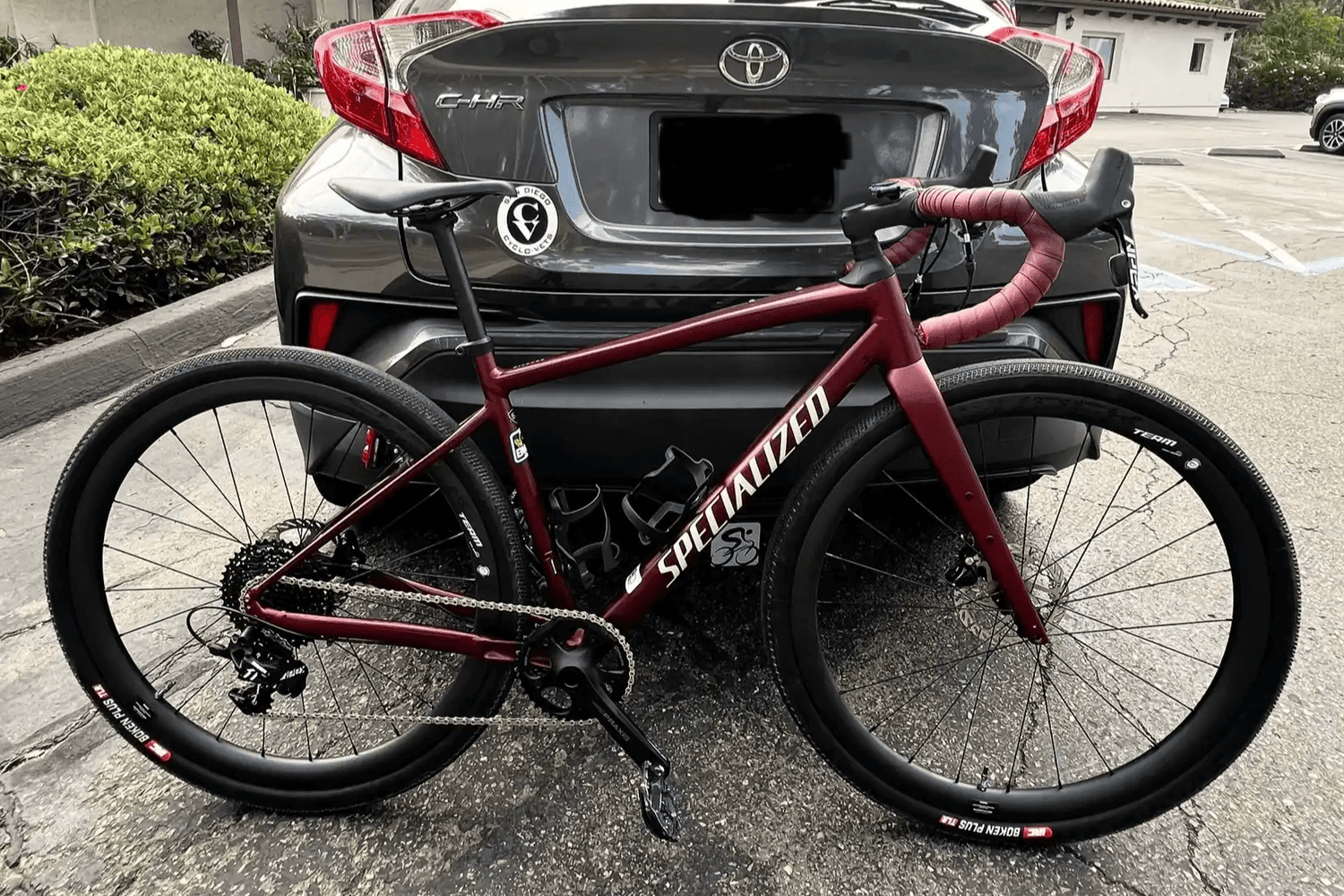
Gravel riding is all about freedom. One day you’re cruising smooth tarmac, the next you’re bouncing over forest roads, loose dirt, or broken pavement. Because of that variety, your wheelset plays a bigger role in gravel riding than almost any other component. Choosing the right gravel wheelset can significantly transform how your bike feels, handles, and performs across various terrain types.
The first thing to consider is rim material. Alloy gravel wheelsets are generally more affordable and very durable, making them a great choice for riders who prioritize reliability and value. Carbon gravel wheelsets, on the other hand, offer lower weight, better vibration damping, and more refined ride quality. If you ride long distances or rough terrain often, carbon rims can noticeably reduce fatigue.

Rim width is one of the most important gravel-specific factors. Modern gravel wheelsets typically feature wider internal widths, often between 21mm and 25mm. A wider rim supports the tire better, allowing lower pressures without excessive tire squirm. This improves comfort, traction, and control, especially on loose or rocky surfaces.
Wheel size is another key decision. 700c gravel wheels roll faster and maintain momentum better, making them ideal for mixed terrain and gravel races. 650 B wheelsets allow for wider tires, providing extra comfort and grip on rough trails. Your riding style and local terrain should guide this choice more than trends.

Tubeless compatibility is almost essential for gravel riding. A tubeless-ready gravel wheelset allows you to run lower pressures, reduce punctures, and improve ride quality. Look for rims with well-designed bead hooks or hookless profiles specifically approved for gravel use, along with reliable tubeless sealing.
Hub quality often gets overlooked, but it has a major impact on durability and ride feel. A good gravel hub should offer reliable sealing against dust and water, smooth bearing performance, and quick engagement. Faster engagement is especially helpful on technical terrain where frequent accelerations matter.
Spoke count and lacing patterns also influence wheel strength. Gravel wheelsets typically use higher spoke counts than pure road wheels to handle off-road impacts. A well-built wheel with balanced spoke tension is far more important than chasing the lowest possible weight.
Weight still matters, but it should not be the top priority. Saving a few grams is less important than choosing a wheelset that can handle rough conditions reliably. A slightly heavier but stronger wheelset will perform better over time and give you more confidence on challenging terrain.

Finally, think about how and where you ride. If your gravel riding leans toward fast, race-style routes, a lighter and more aerodynamic wheelset makes sense. If adventure rides, bikepacking, or rough backroads are your focus, durability, comfort, and tire clearance should take priority.
The perfect gravel wheelset is the one that matches your riding style, terrain, and expectations. When chosen thoughtfully, it doesn’t just support your bike—it elevates every ride, no matter where the gravel leads.
Tags: #gravel bike #gravel cycling #gravel riding #gravel wheelset #gravel wheels #lightweight gravel wheels #gravel riding tips #tubeless gravel wheels #gravel disc wheels

Leave a comment
All comments are moderated before being published.
This site is protected by hCaptcha and the hCaptcha Privacy Policy and Terms of Service apply.