
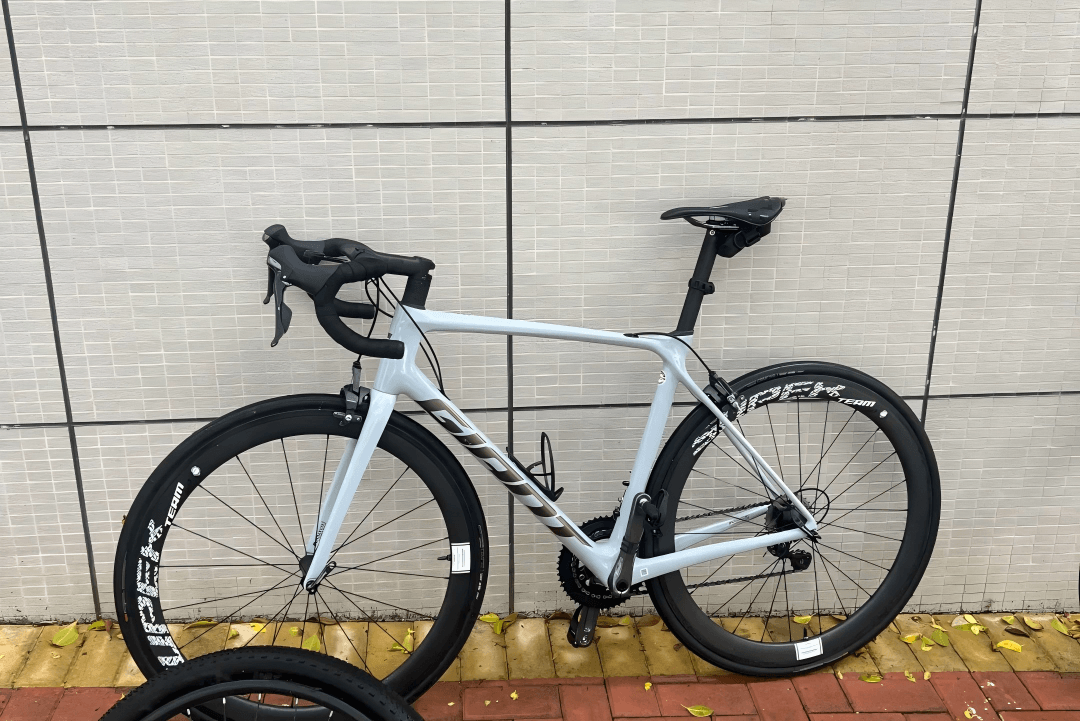
When looking at carbon wheelsets, beginners are often confused by terms like "50mm rim depth" or "24 spokes." In reality, these specifications are much like "shoe sizes"—bigger isn't necessarily better; it all depends on the terrain you ride and your own body weight. Here’s the golden rule: choose the right wheelset for your specific needs rather than just the most expensive one.
I. What Should You Know About Rim Depth?

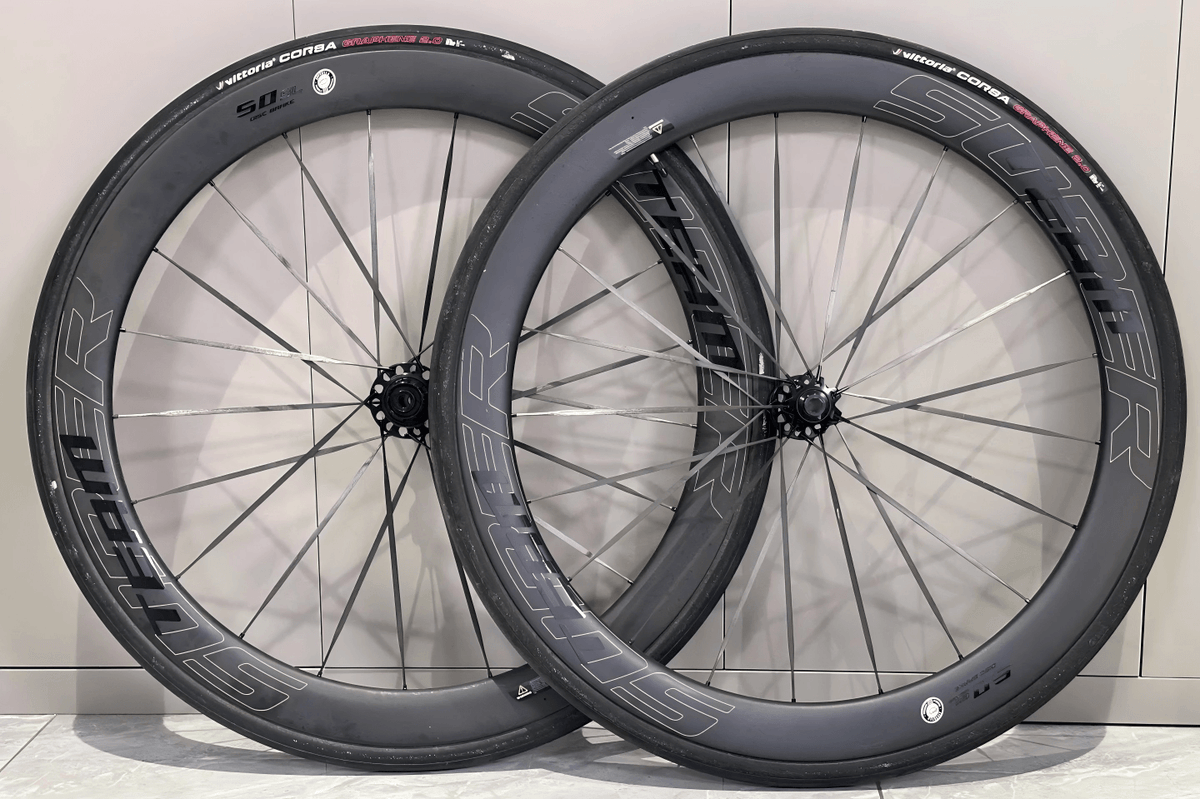
Rim depth refers to the "height" of the wheel's profile—think of it like a hollow barrel, where the depth is the distance from the inner edge (the base) to the outer edge (the rim's braking or tire-seating surface). This dimension primarily influences aerodynamic drag, weight, and handling. These factors exist in a trade-off relationship; there is no "best" option, only what suits your typical riding environment. Essentially: deep-section rims favor speed, shallow-section rims offer agility, and mid-depth rims serve as a versatile all-rounder.
1. Shallow-Section Rims (Under 30mm): The "Agile" Choice for Climbing and Commuting

If you frequently engage in the following activities, a shallow-section wheelset is the perfect choice:
(1) Tackling steep, winding mountain climbs: While riders with deep-section wheels might find their legs burning, you’ll feel a sense of "lightness" with shallow-section wheels, allowing you to reach the top with enough energy left to keep chatting with your friends.
(2) Daily commuting: On roads with speed bumps or small potholes, shallow-section rims help dampen vibrations, keeping your hands from going numb.
(3) Your first carbon wheelset: If you’re worried about crosswinds causing instability, rest assured—shallow-section rims remain steady even in strong side winds.
Ride characteristics: Lightweight, agile, vibration-absorbent, and highly resistant to crosswinds—an excellent choice for beginners.
2. Mid-depth Rims (30–50mm): The "All-Rounder" for Any Terrain

A "can't-go-wrong" choice for most beginners—suitable for everyone:
(1) For mixed-terrain riding—such as routes around a city featuring a combination of flat stretches and gentle inclines—mid-depth rims strike a perfect balance. They aren't too heavy and offer low aerodynamic drag, ensuring you won't struggle on climbs or lose speed on the flats.
(2) If you want a sense of speed during weekend training sessions but don't want to be buffeted by crosswinds, mid-depth rims act as a versatile "all-rounder" capable of handling various conditions.
Ride Summary: Balanced and adaptable to any road; offers the best value for money—a safe bet for any beginner.
3. Deep-section Rims (Above 50mm): The "Speed-Focused" Choice for Flat-Road Racing

Don't just follow the trend and opt for deep-section rims; they are best suited for "flat, windless roads":
(1) On straight, flat paths—like those along a river or lake—without inclines or crosswinds, deep-section rims function like a "streamlined race car." Their low aerodynamic drag saves significant energy; a slight increase in pedaling effort translates into a noticeable jump in speed, allowing you to cover two to three kilometers more in an hour compared to shallow-rim wheels.
(2) If you're participating in amateur races and looking to sprint, these rims will help you go faster. However, even a moderate crosswind can easily push you off course, making them challenging for beginners to handle.
Ride Summary: Fast and stable (in calm conditions), but sensitive to crosswinds—beginners should choose with caution.
II. What is the impact of the number of wheel spokes?

Spokes are the thin rods that connect the wheel rim to the hub. The number of spokes determines how robust the wheel is and how comfortable the ride feels. Remember: more spokes mean greater durability, while fewer spokes offer a lighter, snappier feel; a moderate number of spokes is the right choice for most riders.
1. Low Spoke Count (16–24 spokes; 20/24 is common): The "light and zippy" option for lighter riders

Recommended only for two types of riders:
Type 1: Lighter riders (under 130 lbs / ~60 catties) who ride on flat terrain or engage in racing. With fewer spokes and a lighter rim, these wheels offer quick acceleration and snappy sprints.
Type 2: Advanced cyclists who prioritize "lightweight" performance—they don’t mind the occasional bump and simply want a "lively" ride.
Note: If you weigh over 150 lbs (~68 catties), avoid these; the wheels may become unstable ("wobbly"), and you risk breaking spokes over time.
2. Medium Spoke Count (24–28 spokes; 24/28 is common): The "all-purpose" option for everyone

Whether you weigh 130 lbs or 180 lbs, and regardless of whether you’re commuting or riding on slightly rough suburban roads, wheels with a medium spoke count are as reliable as a "sturdy table."
They handle potholes and road impacts with ease.
With a moderate weight, they offer a good balance of acceleration and comfort—they won’t feel overly harsh or jarring.
A perfect, "can't-go-wrong" choice for beginners.
3. High Spoke Count (28+ spokes; 32 is common): The "rugged" option for heavier riders and rough terrain

Choose a high spoke count if any of the following apply to you:
You weigh over 180 lbs (~82 catties) and need wheels that can support more weight.
You ride on gravel or off-road trails filled with loose stones and potholes; a high spoke count acts like a "table with extra legs," providing excellent stability.
You carry luggage (e.g., using a cargo rack)—the extra spokes can support the additional load without the risk of the wheels deforming.
The Ultimate Guide for Beginners: 3 Steps to the Right Choice
No need to memorize complex technical specs—just follow these 3 steps:
First, consider the terrain: Mountain climbing / For commuting, choose a low-profile rim; for mixed-terrain riding, a mid-profile rim; and for flat-ground racing, a high-profile rim.
Next, consider your body weight: under 130 lbs (approx. 59 catties) calls for fewer spokes; 130–180 lbs (approx. 59–82 catties) requires a moderate number of spokes; and over 180 lbs (approx. 82 kg) necessitates a higher spoke count.
A final piece of advice to avoid common pitfalls: beginners should steer clear of high-profile rims (due to crosswind instability) and wheels with too few spokes (which may lack durability). A mid-profile rim paired with a moderate number of spokes offers the greatest "margin for error."
You might also think about rim width—which involves both internal and external dimensions, affecting tire compatibility and aerodynamics—but for beginners, this has less of an impact on the riding experience than rim depth. Furthermore, spoke count isn't the only variable; factors like material and shape also play a role, but due to space constraints, I’ll cover those another time. If I’ve missed anything, please feel free to point it out!

Dejar un comentario
Todos los comentarios se revisan antes de su publicación.
Este sitio está protegido por hCaptcha y se aplican la Política de privacidad de hCaptcha y los Términos del servicio.