
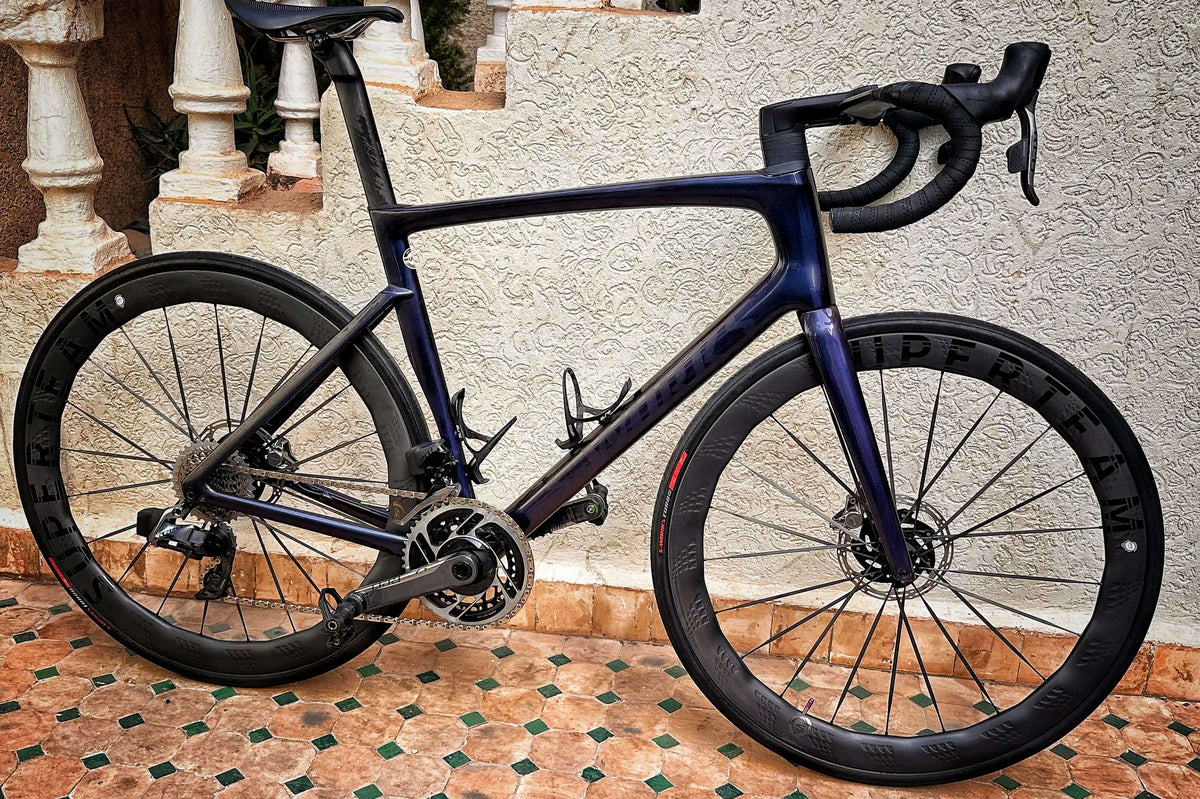
Regardless of the price, we all want our bicycles to last a long time; after all, getting more years of use out of them feels like better value for money. We often hear cyclists say their bikes remain in excellent condition even after eight, ten, or more years of use—even models considered to have average build quality can last a long time in the right hands. Even entry-level bikes costing around a thousand yuan can have a long lifespan; as long as the frame isn't severely damaged, proper maintenance and the timely replacement of wear-and-tear parts can keep the bike in great shape. Of course, there are certain things you absolutely must avoid doing to prevent damaging your bike.
Washing your bike with a high-pressure sprayer requires skill—there is no need to obsess over achieving a spotless finish!
You might see bike shops using spray nozzles or high-pressure guns for "deep cleaning," but the technicians are very careful about water pressure and spray angles. If you rashly use a high-pressure sprayer, water can easily penetrate areas like the bottom bracket, wheel hubs, and headset. Since it is difficult for water to drain from these spots, long-term exposure can lead to a loss of lubrication or even rust. In reality, a bicycle is a tool for outdoor transport or exercise; there is no need to strive for perfection or an immaculate appearance. Unless the bike is heavily soiled, a simple wipe-down with a damp cloth is usually sufficient. Regarding chain grease, don't wait for a massive buildup before doing a deep clean; wiping it off promptly with a paper towel or kitchen wipe saves time and effort.

Riding in the rain offers no sense of freedom; instead, it is unsafe and can damage your bike!
Some videos actually portray riding in the rain as an act of freedom—honestly, that idea is nonsense. Safety is hard to guarantee when riding in the rain, and slippery roads are particularly treacherous for road bikes. If there is any way to take shelter from the rain, you should do so. Even driving a car becomes less safe in heavy rain, let alone riding a bicycle. Rainwater is somewhat corrosive to bicycles; even if you wipe the bike down immediately after a ride, water can seep into hard-to-reach areas—such as around certain screws—making rust inevitable. Over time, parts of the frame where water tends to pool will age prematurely, and components may even become seized and impossible to disassemble.

Heavier riders should avoid aggressive out-of-the-saddle pedaling (rocking the bike vigorously). Furthermore, performing stunts or riding down flights of stairs is beyond the capabilities of an ordinary mountain bike!
Some riders are obsessed with never dismounting, determined to conquer every steep slope. However, there are times—whether due to delayed gear shifting, gear ratios that aren't up to the task, or simply the rider's own heavy weight—when it is necessary to get off and walk. I have tried aggressive out-of-the-saddle pedaling myself; given my weight, I would occasionally hear the sound of spokes flexing and snapping back—a clear indication that this kind of riding places immense stress on the bike. Some riders assume that because a mountain bike has suspension, it can handle curbs, stairs, and stunts. However, if you want to ride down stairs, you need a more specialized bike. Standard mountain bikes are designed for rough terrain, not for high-impact activities like jumping off ledges or riding down staircases. Don't wait until your suspension fork snaps or your wheelset buckles to complain about the bike's quality.

If you aren't going to use your bike for an extended period, try to store it indoors; prolonged exposure to direct sunlight can damage the paintwork and various components.
Some cyclists manage to keep their bikes looking pristine—almost like new—even after five or six years of use. This is because they are meticulous about how they store their bikes. If you won't be riding for a while, never leave the bike outside exposed to the sun. Standard frames are prone to paint cracking, while the bonding agents in carbon fiber frames can degrade prematurely. Outdoor storage accelerates wear and tear not just on the paint, but also on tires, cable housings, handlebars, and saddles. If you truly have no use for the bike, selling it promptly is far more sensible than letting it gather dust outside; prolonged outdoor storage can make the bike look battered and ancient, which negatively impacts its resale value.

Delaying the replacement of worn parts isn't saving money—it can actually lead to greater losses!
Many cyclists make mistakes like continuing to ride on bald tires or relying on foot-braking when their hand brakes lose pressure. These issues require immediate attention to avoid safety hazards; don't let a small saving lead to a big problem. Components like chains, cassettes, and chainrings have a limited lifespan based on mileage; you can use a chain checker tool to determine if a replacement is needed. Failing to replace a worn chain not only hinders performance but also causes accelerated wear on the cassette and chainrings. Aside from the frame, most components have a limited lifespan—it is unrealistic to expect a bike to go over a decade without needing any replacements or maintenance. Don't mistake delaying replacements for saving money; ensuring safety and proper functionality through timely maintenance is the best approach.

These are the key points to consider if you want to extend your bicycle's lifespan. As long as the frame remains undamaged, a bicycle can easily last for over a decade. However, don't be misled by online claims that bikes can go ten-plus years without any parts being replaced; a bike that has covered tens of thousands of kilometers will have had its chain replaced numerous times. Vehicle maintenance and part replacements are necessary expenses; do not assume that buying a bicycle is a one-time investment requiring no further outlay. Tasks such as lubricating the chain and replacing wear-and-tear parts demand attention; do not let procrastination cause your bike to deteriorate, thereby spoiling the joy of riding.

Dejar un comentario
Todos los comentarios se revisan antes de su publicación.
Este sitio está protegido por hCaptcha y se aplican la Política de privacidad de hCaptcha y los Términos del servicio.