


What Makes a Wheel Aerodynamic? Understanding the Science Behind Faster Cycling
For cyclists looking to improve speed, upgrading to an aerodynamic wheelset is one of the most popular choices. But what exactly makes a wheel aerodynamic? Why can a deep-section carbon wheel help riders go faster compared with a traditional shallow rim?
Aerodynamics is not only about reducing weight. At higher speeds, especially above 30 km/h, air resistance becomes one of the biggest forces slowing a cyclist down. Since wheels are constantly rotating and cutting through the air, their design plays a critical role in overall cycling performance.
The Importance of Rim Depth
One of the most obvious factors affecting wheel aerodynamics is rim depth.
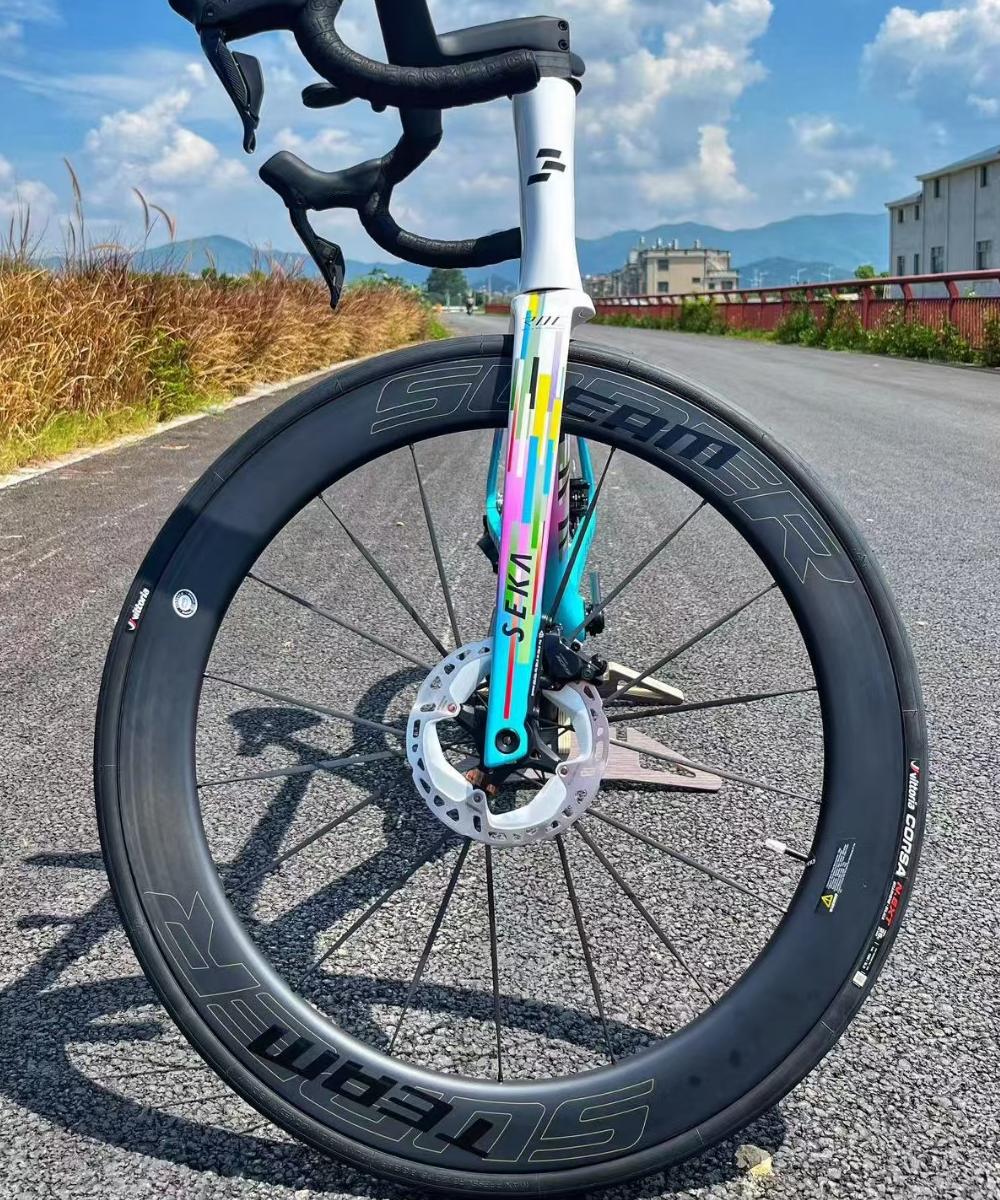
A deeper rim creates a smoother transition between the tire and the rim, allowing air to flow more efficiently around the wheel. Compared with shallow rims, deep-section wheels reduce turbulence and decrease aerodynamic drag.
However, deeper does not always mean faster in every situation. A 50mm or 60mm rim may provide excellent aerodynamic benefits on flat roads and high-speed races, while a lighter 30mm or 40mm wheel may be more suitable for climbing routes with frequent elevation changes.
Modern carbon wheel designs aim to find the ideal balance between aerodynamic performance, weight, and handling.
Rim Shape and Airflow Management
The shape of the rim has a major impact on aerodynamic efficiency.
Older traditional V-shaped rims often created unstable airflow because air separated quickly from the rim surface. Modern aerodynamic wheels usually feature wider U-shaped or rounded profiles that allow airflow to stay attached longer.
A smoother airflow transition helps reduce drag and improves stability, especially when riding at higher speeds or in crosswinds.
Many advanced carbon wheels use optimized rim profiles inspired by wind tunnel testing. Features such as wider external widths, curved surfaces, and carefully designed spoke areas help control airflow around the entire wheel.
Tire and Rim Integration
The relationship between the tire and rim is another important aerodynamic factor.
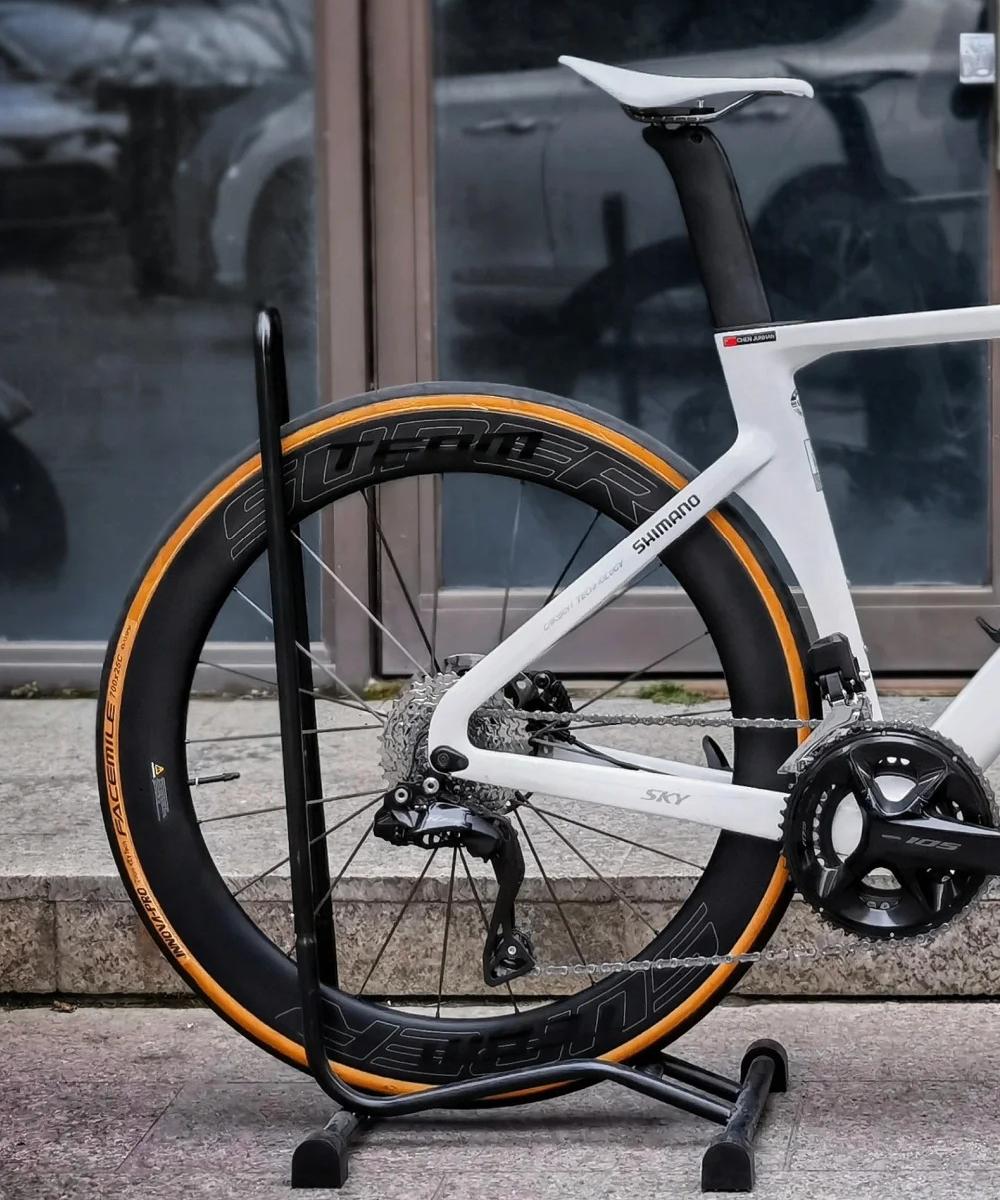
A wheel does not work alone. The tire and rim create one aerodynamic system. If the tire is too narrow or too wide compared with the rim, airflow can become disturbed and create additional resistance.
Modern road cycling has moved toward wider tires because they can provide lower rolling resistance and improved comfort. Many aerodynamic wheelsets are designed specifically around popular tire sizes such as 25mm and 28mm tires.
A properly matched tire and rim combination allows air to move smoothly from the tire onto the rim surface.
Spokes and Hub Design
While the rim receives most attention, spokes and hubs also influence aerodynamic performance.
Traditional round spokes create more turbulence because air hits their surface directly. Many high-performance wheelsets use bladed carbon spokes or aerodynamic spokes that reduce frontal area and improve airflow.
The number of spokes also matters. Fewer spokes can reduce aerodynamic drag, but the wheel must still maintain enough strength and stiffness for safety and performance.
Hub design can also affect efficiency. Lightweight hubs with high-quality bearings reduce mechanical resistance and improve power transfer.
Why Carbon Fiber Is Popular for Aero Wheels
Carbon fiber has become the preferred material for aerodynamic wheelsets because it allows manufacturers to create complex shapes while keeping weight low.
Unlike aluminum, carbon fiber can be molded into deeper, smoother aerodynamic profiles without adding excessive weight. This makes it possible to produce wheels that combine speed, stiffness, and durability.
For riders who frequently ride at high speeds, participate in races, or want better performance from their road bike, an aerodynamic carbon wheelset can provide noticeable improvements.
Final Thoughts
An aerodynamic wheel is not defined by one single feature. Rim depth, rim shape, tire compatibility, spoke design, and materials all work together to reduce drag.
The best aerodynamic wheelset is not necessarily the deepest or most expensive option. It is the one that matches your riding style, terrain, and performance goals.
By understanding the science behind wheel aerodynamics, cyclists can make smarter upgrade decisions and enjoy faster, more efficient rides.