

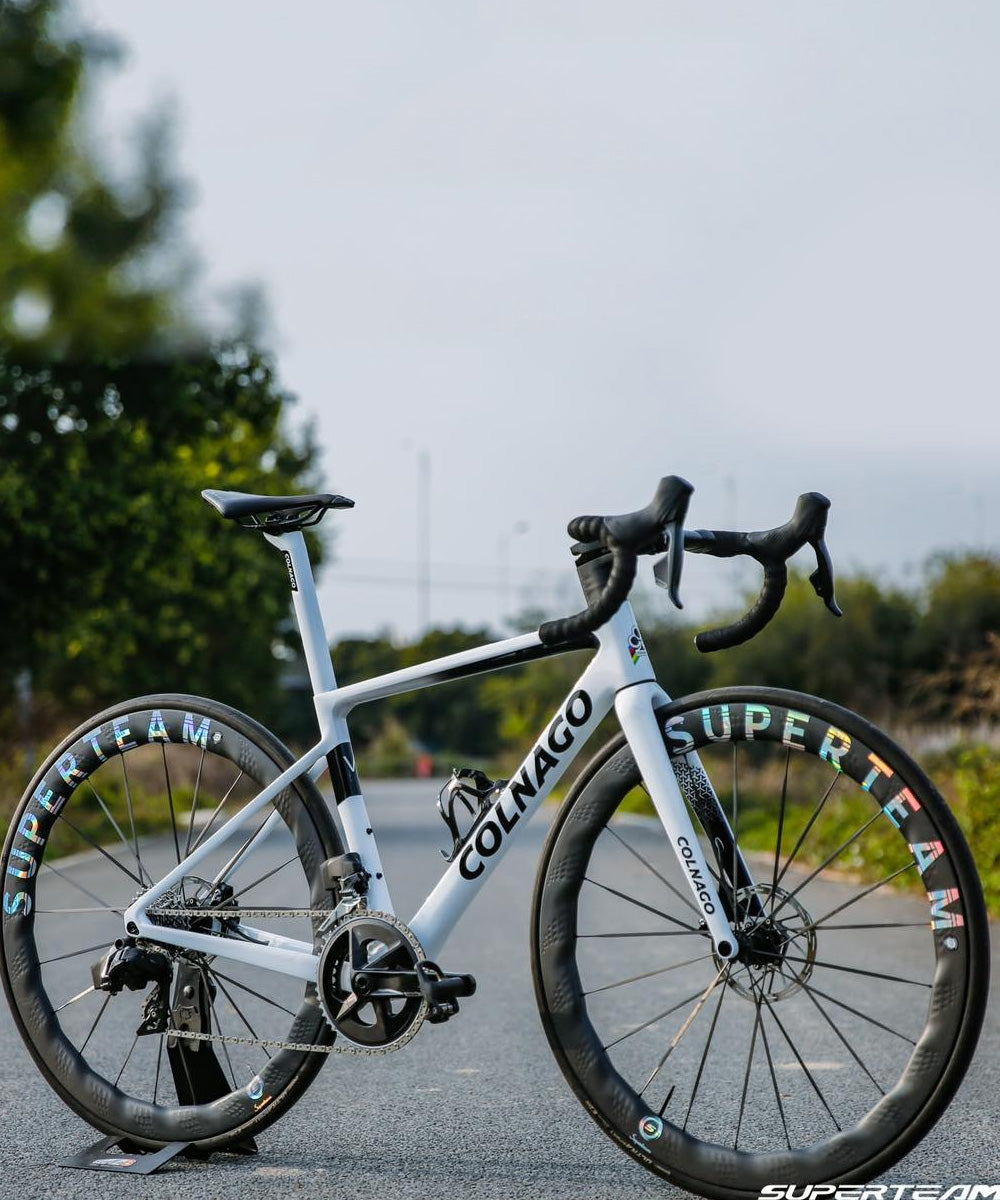


Disc Brake vs Rim Brake Wheels: Pros, Cons, and Buying Guide
The cycling industry has undergone a dramatic transformation over the past decade. One of the biggest changes has been the widespread adoption of disc brake wheelsets.
Yet thousands of cyclists still ride and race on rim brake bikes every day.
So which option deserves your money in 2026?
## Understanding the Basics
Rim brakes slow the bicycle by squeezing brake pads against the wheel rim.
Disc brakes use calipers to squeeze a rotor attached to the wheel hub.
Both systems accomplish the same goal, but they do so in very different ways.
## Pros of Disc Brake Wheels
### Better Braking in All Conditions
Disc brakes maintain reliable stopping power in wet weather, mud, and steep descents.
### Wider Tire Compatibility
Most disc brake wheelsets are optimized for modern 28–32mm tires.
### Improved Carbon Rim Design
No brake track means lighter rim construction in key areas and greater aerodynamic freedom.
### Longer Rim Life
The rim itself is not subjected to braking wear.
## Cons of Disc Brake Wheels
### Higher Cost
Disc brake wheelsets typically cost more.
### Additional Weight
Rotors and hydraulic components add weight.
### More Complex Maintenance
Hydraulic systems occasionally require bleeding and adjustment.
## Pros of Rim Brake Wheels
### Lower Weight
Weight-conscious climbers still appreciate rim brake setups.
### Simpler Maintenance
Pad replacement and cable adjustments are straightforward.
### Lower Initial Investment
Many excellent carbon rim brake wheelsets remain available at attractive prices.
## Cons of Rim Brake Wheels
### Reduced Wet-Weather Performance
Braking efficiency decreases when the rim is wet.
### Rim Wear
Continuous braking gradually wears down the braking surface.
### Limited Future Compatibility
Most new high-end road bikes are designed exclusively for disc brakes.
## Which Riders Should Choose Disc Brakes?
Disc brake wheels are ideal for:
Competitive racers
Mountain riders
Gravel cyclists
Endurance enthusiasts
Riders frequently encounter rain
## Which Riders Should Choose Rim Brakes?
Rim brake wheels remain a smart option for:
Existing rim brake bike owners
Weight-focused climbers
Riders on tighter budgets
Cyclists seeking mechanical simplicity
## Future Industry Trends
The market clearly favors disc brakes.
Most major wheel manufacturers now focus their research and development efforts on disc-specific products. New carbon wheelsets increasingly feature wider profiles, hookless technology, and optimized tire integration designed around disc brake systems.
However, rim brake technology is far from obsolete. Many cyclists continue to enjoy lightweight carbon rim brake wheels for training, racing, and climbing.
#Final Thoughts
Disc brake wheels represent the future of road cycling and offer the best all-around performance. They provide stronger braking, greater confidence, and compatibility with modern wheel technologies.
Rim brake wheels, meanwhile, continue to deliver excellent speed, simplicity, and value. For riders who already own a rim brake bike, upgrading to a premium carbon wheelset can still be one of the most effective performance improvements available.
The best wheelset is ultimately the one that matches your bike, your riding style, and your cycling goals.