

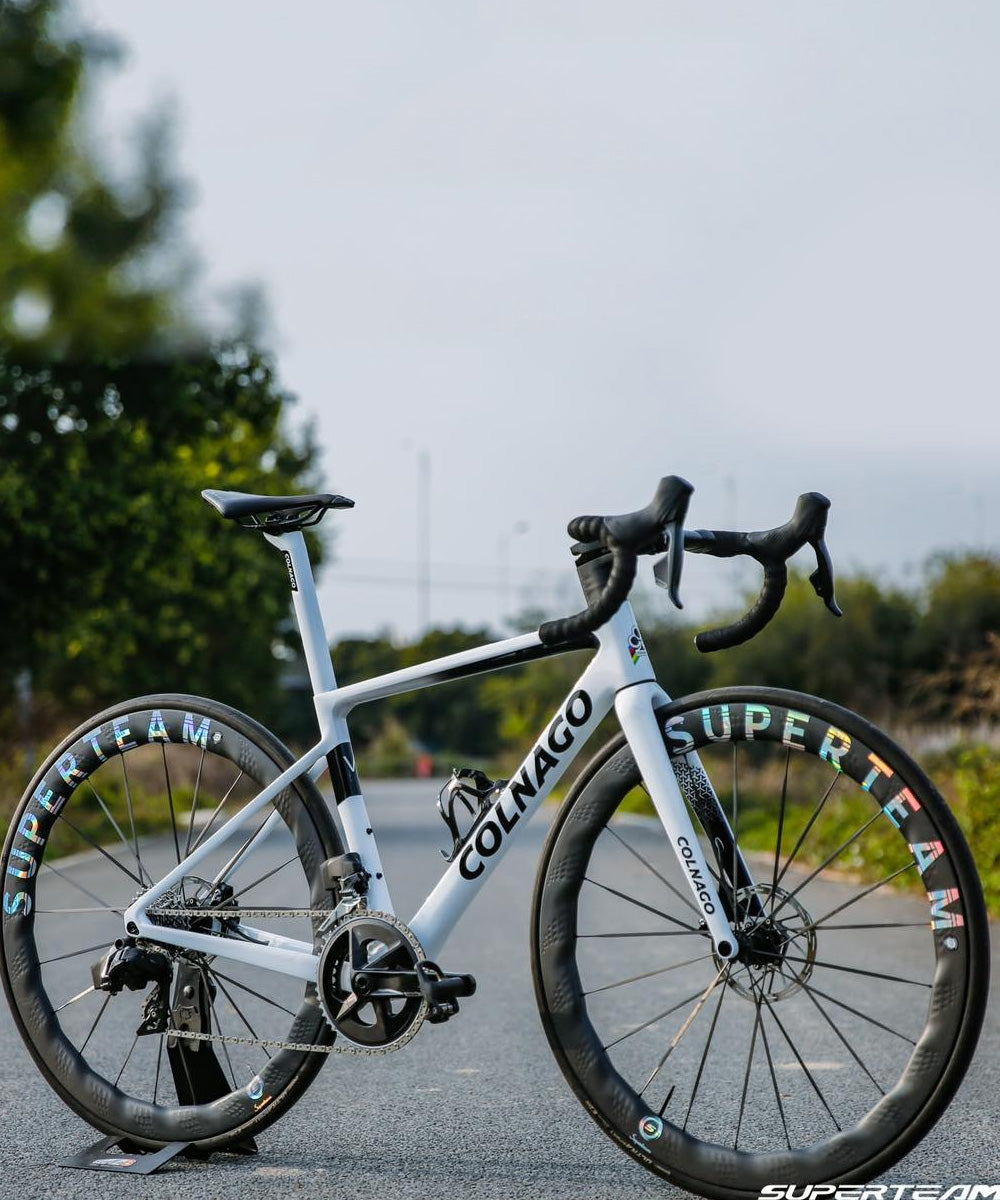


5 Signs It’s Time to Upgrade Your Road Bike Wheels
For many road cyclists, upgrading components often means choosing a lighter frame, a better groupset, or a more advanced drivetrain. However, wheels can have an equally noticeable impact on the way a bike feels and performs. Because wheels are rotating components that directly interact with the road and the air, upgrading them can improve acceleration, handling, comfort, and aerodynamic performance.
But how do you know when it is actually time to replace your current wheels? Here are five signs that your road bike may be ready for an upgrade.
## 1. Your Wheels Feel Too Heavy
One of the clearest reasons to upgrade is excessive wheel weight. Heavy wheels require more effort to accelerate, especially when riding uphill or repeatedly changing speed.
A lighter wheelset can make the bike feel more responsive when you stand up and accelerate out of corners or attack a climb. While total bicycle weight matters, reducing weight in the wheels can have a noticeable effect on how quickly the bike responds to changes in speed.
This does not mean choosing the lightest possible wheelset is always the best option. A good upgrade should balance weight, stiffness, durability, and aerodynamics according to your riding style.
## 2. You Want Better Aerodynamic Performance
If you frequently ride at higher speeds, aerodynamic performance becomes increasingly important. Once you are riding fast on flat or rolling roads, air resistance can account for a significant portion of the resistance you need to overcome.
Traditional shallow wheels may be perfectly suitable for casual riding, but deeper aerodynamic rims can help reduce airflow disruption around the wheel. A well-designed carbon wheelset can therefore help you maintain speed more efficiently.
For riders who participate in road races, time trials, fast group rides, or long solo efforts, moving from a basic shallow wheelset to an appropriately deep aerodynamic wheelset can be a worthwhile upgrade.
## 3. Your Wheels Feel Less Responsive
A good wheelset should provide a direct connection between your pedaling and the road. If your current wheels feel flexible or sluggish when accelerating, climbing, or cornering, it may be time to consider an upgrade.
Wheel stiffness is influenced by several factors, including rim construction, spoke count, spoke tension, hub design, and overall wheel geometry. A well-built carbon wheelset can provide a strong combination of lateral stiffness and controlled compliance.
The goal is not simply maximum stiffness. Instead, the ideal wheelset should transfer power efficiently while maintaining predictable handling and reasonable comfort over longer rides.
## 4. Your Current Wheels Are Showing Their Age
Even if your wheels still function, older components may no longer offer the performance, compatibility, or reliability expected from modern road bikes.
Check for damaged rims, worn bearings, loose spokes, brake-track wear on rim-brake wheels, or other signs of deterioration. Tubeless compatibility is another important consideration. Modern riders increasingly choose tubeless tires because they can provide lower pressures, improved comfort, and better puncture resistance.
If your current wheels are several years old and lack features you now need, upgrading may make more sense than continuing to maintain an outdated setup.
## 5. Your Riding Has Changed
Perhaps the biggest reason to upgrade is that your cycling goals have changed.
A wheelset that worked well for commuting may not be ideal for racing. Similarly, wheels designed for climbing may not be the best choice for high-speed flat-road riding. If you have started racing, riding longer distances, climbing more frequently, or joining faster group rides, your equipment should evolve with you.
For example, a lightweight wheelset may suit mountainous terrain, while a deeper aerodynamic wheelset can be advantageous for fast, relatively flat routes. Riders looking for versatility may prefer a mid-depth carbon wheelset that balances aerodynamics, weight, handling, and everyday usability.
## Final Thoughts
Upgrading your road bike wheels does not have to be about chasing the most expensive equipment. The best upgrade is one that solves a specific problem with your current setup.
If your wheels are too heavy, lack aerodynamic performance, feel unresponsive, show significant wear, or no longer match your riding style, it may be time for a new wheelset. By choosing the right combination of rim depth, weight, stiffness, tire compatibility, and durability, you can make your road bike feel faster and more responsive without replacing the entire bicycle.