
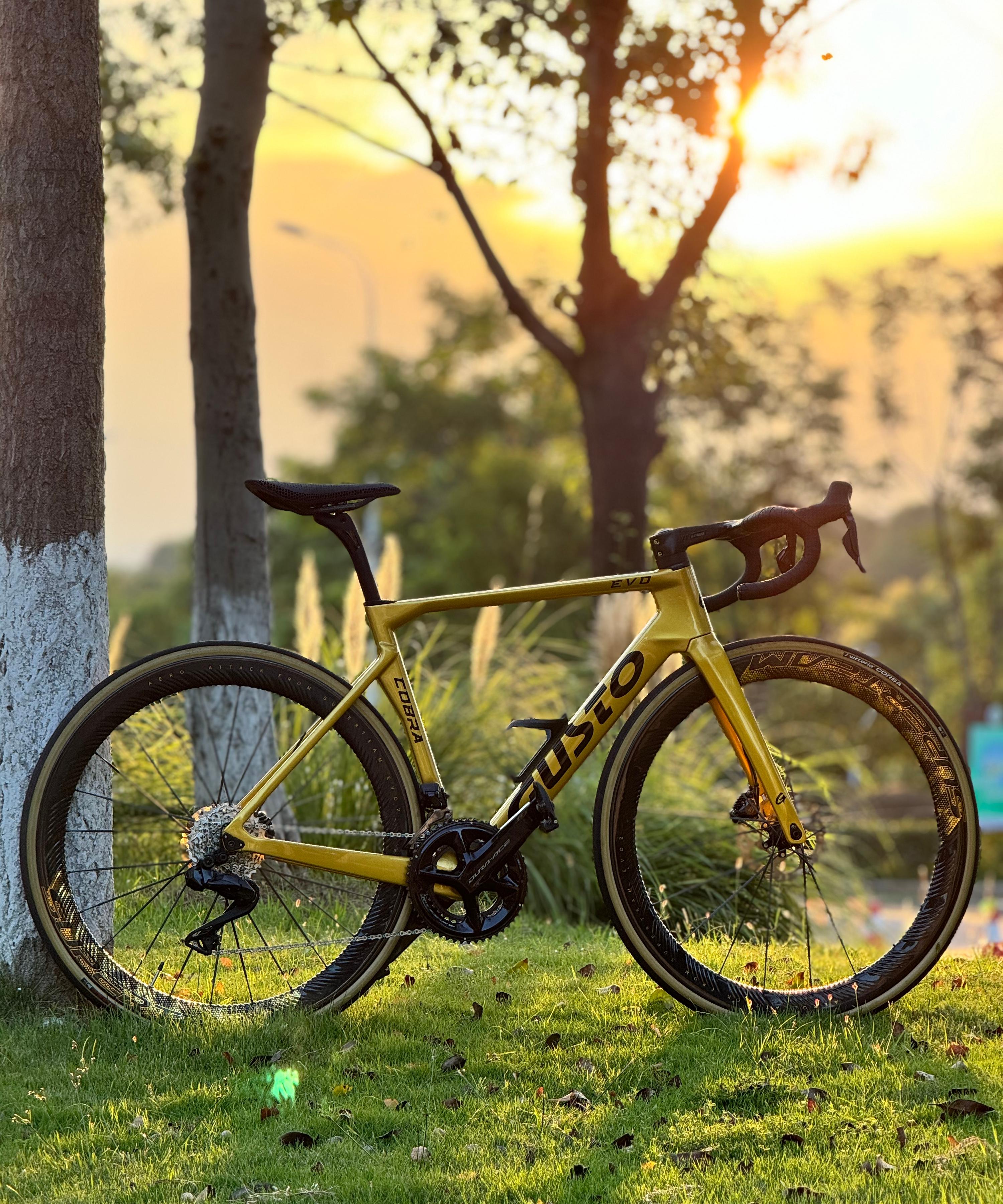
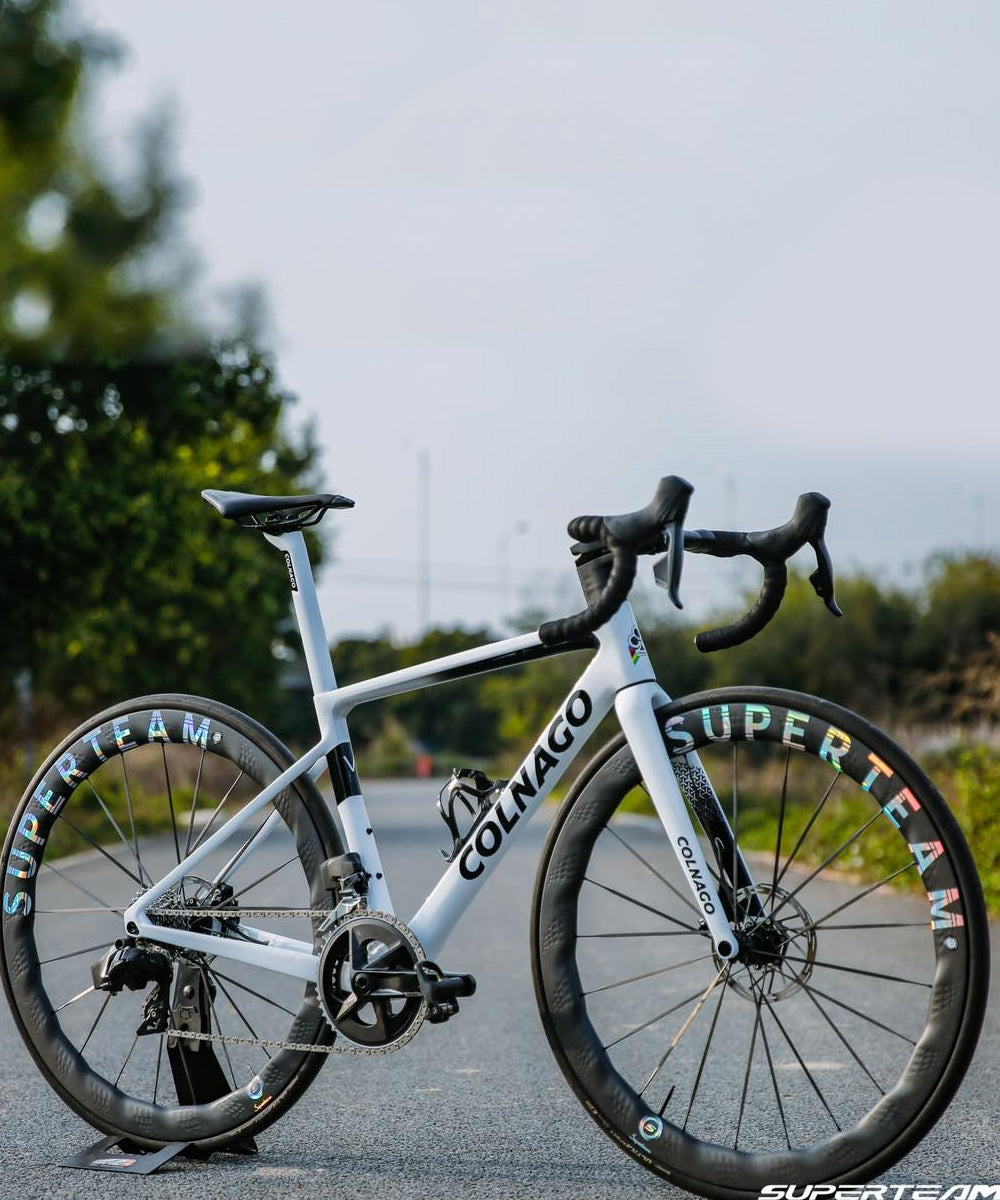
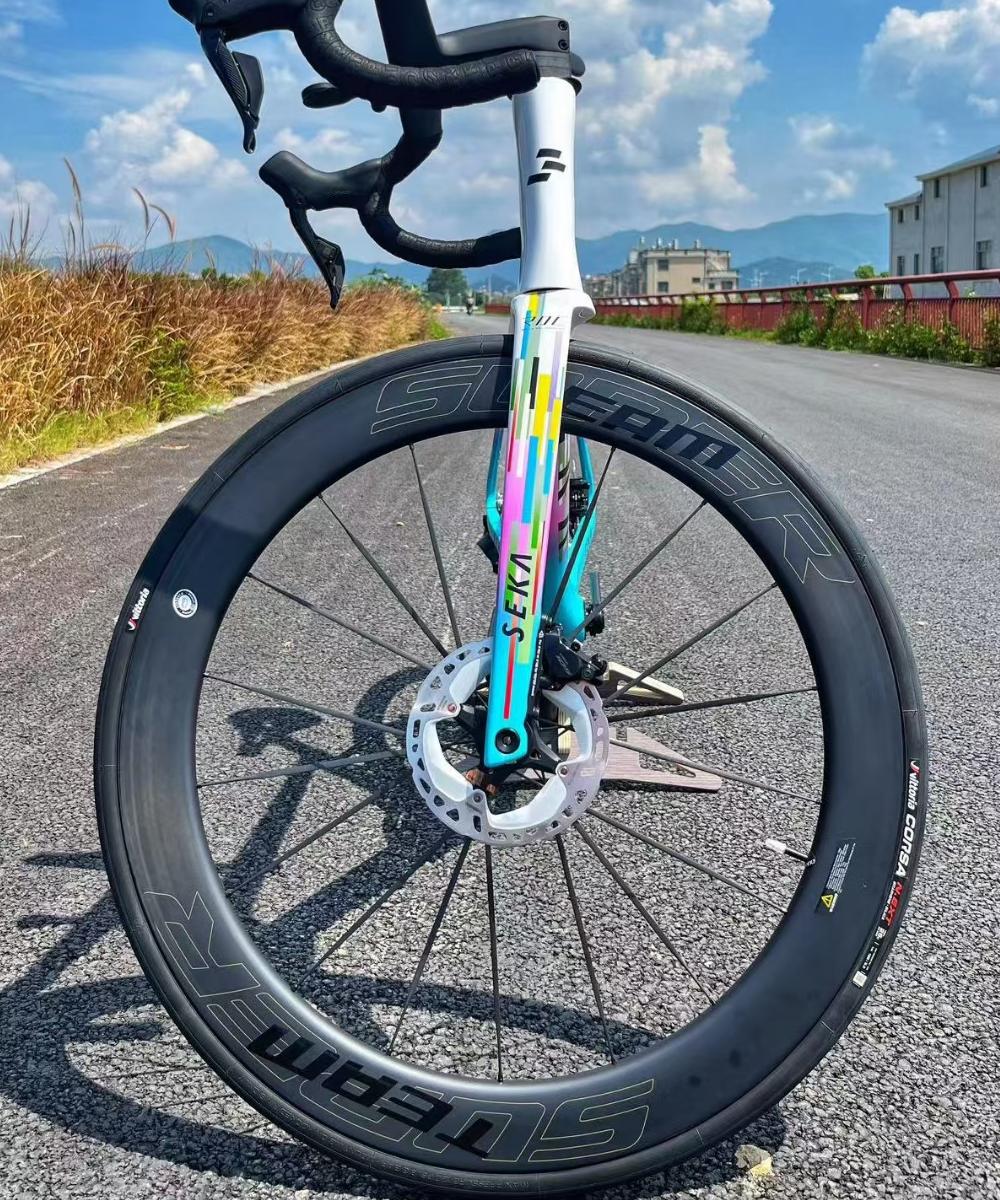
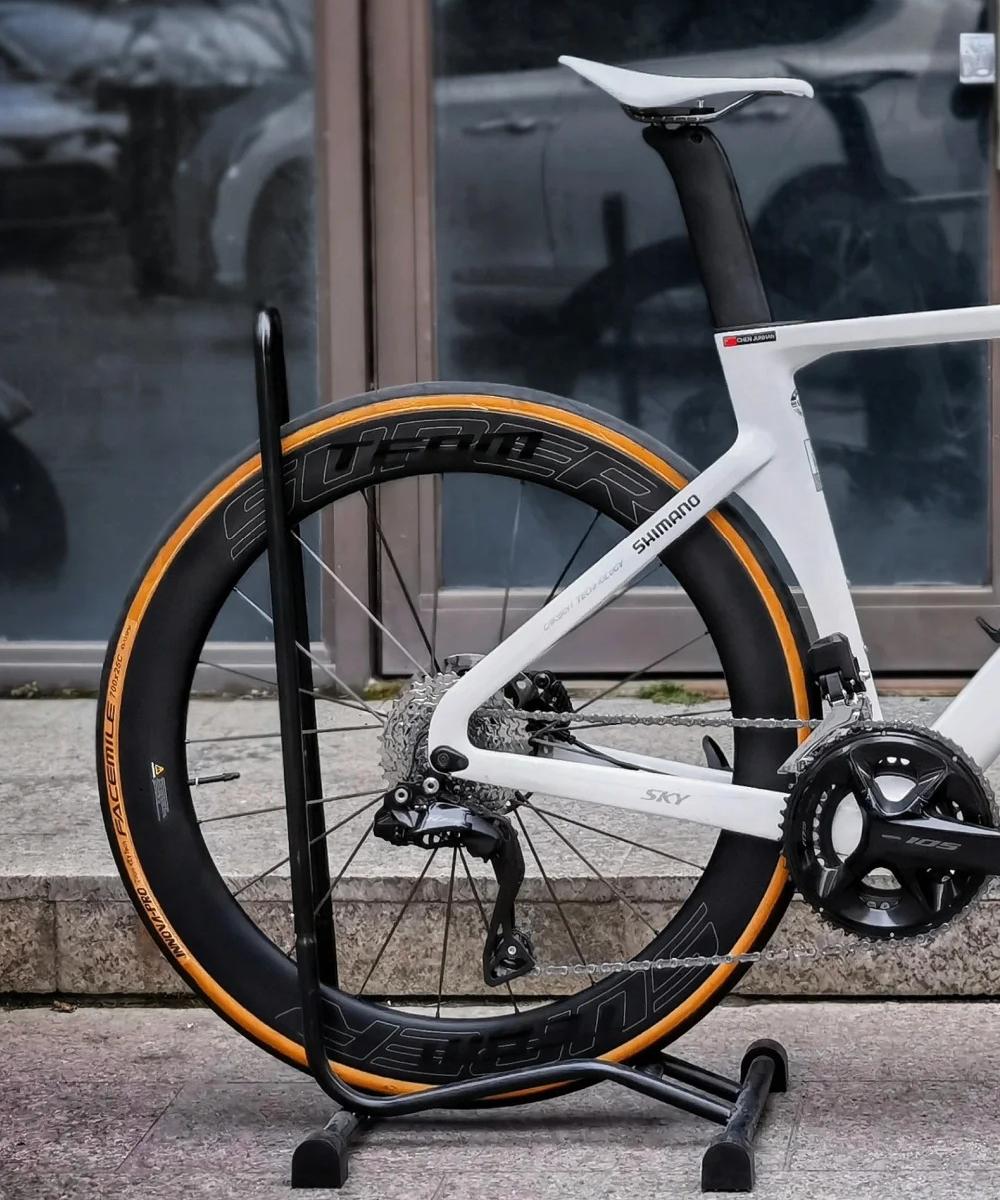

A modern bicycle is much more than a frame with two wheels. Its performance, comfort, efficiency, and safety depend on how several key systems work together, from the frame and drivetrain to the braking system, wheelset, cockpit, and suspension. Yet many riders focus only on the number of gears, the appearance of the bike, or the brand name when choosing a bicycle. Understanding the role of each major component can make it much easier to evaluate a bike and choose the right setup for your riding needs. In this guide, we break down the six core systems of a modern bicycle, explain how they affect riding performance, and cover several common misconceptions about bike components, gearing, and riding technique.
I. The Six Core Systems of a Bicycle | Understanding the Fundamental Logic of the Bike
A performance-oriented bicycle is composed of six core systems—frame, drivetrain, braking, wheelset, cockpit (control components), and suspension—all of which are interconnected and determine the bike’s overall performance and lifespan.
1. The Frame System | The Soul and Core of the Bicycle

The frame dictates your riding position, pedaling efficiency, structural strength, and durability. As one of the bicycle's primary structural components, it defines the bike's geometry, rider posture, stiffness, weight, and fundamental handling characteristics.
Classification of Common Frame Materials:
Steel: Steel frames offer excellent strength, toughness, and durability, along with a unique "ride feel." While generally heavier than aluminum or some carbon fiber frames, their reliability and ease of repair ensure a continued market presence in commuter bikes, touring bikes, and certain vintage or high-end custom bicycles. Performance varies significantly depending on the specific type of steel and tube design, so a bike’s quality cannot be judged solely by the fact that it is made of "steel."
- Aluminum Alloy (The Popular Choice): Known for being lightweight, stiff, and relatively cost-effective to manufacture, aluminum is widely used for everything from entry-level to mid-range performance bicycles.
- Carbon Fiber: Offers extreme lightweight, vibration dampening for added comfort, and a premium ride quality. Its drawbacks include vulnerability to impacts, the risk of hidden structural damage, and very high repair costs.
- Titanium Alloy: A top-tier material that is corrosion-resistant, exceptionally tough, and highly comfortable. It is expensive and typically found in niche, high-end bicycles.
The Golden Rule for Choosing a Bike: Frame Size > Components > Appearance
An incorrect frame size will directly lead to issues such as lower back pain, shoulder soreness, knee strain, and inefficient pedaling—problems that no amount of high-end components can fix.
2. Drivetrain System | The Powerhouse of the Bicycle

Comprising the chainring(s), chain, cassette (or freewheel), front derailleur, rear derailleur, and shifters, this system serves as the core for power transmission.
The essence of gear shifting is adjusting the gear ratio to suit gradients and speeds, while conserving rider energy.
- Low gear ratio: Easier to pedal; ideal for climbing and starting from a standstill.
- High gear ratio: Allows for powerful acceleration; ideal for cruising on flat terrain or sprinting on descents.
Industry Trend: Traditional multi-chainring setups are complex, prone to chain rub, and have a higher failure rate. In recent years, 1x (single-chainring) drivetrains have become increasingly common on mountain bikes, gravel bikes, and some road bike models. Compared to multi-chainring systems, the 1x configuration eliminates components like the front derailleur and extra chainrings, simplifying operation, reducing system complexity, and lowering maintenance requirements. However, a 1x setup is not suitable for every riding scenario. For riders who need to cover a wider speed range or frequently encounter both steep climbs and high-speed sections, multi-chainring systems still offer a broader gear range and more granular gear increments.
3. Braking Systems | The Bottom Line for Riding Safety

Mainstream braking systems fall into two broad categories, with significant differences in performance:
- Rim Brakes (e.g., V-brakes): Simple in design, inexpensive to maintain, and sufficient for everyday use. Their drawbacks include reduced braking performance in wet conditions and a reliance on the condition of the wheel rim.
- Disc Brakes: Divided into mechanical and hydraulic types.
Mechanical disc brakes are stable, durable, and easy to adjust.
Hydraulic disc brakes offer superior stopping power, consistent lever feel, and a wider range of modulation; they generally provide more reliable performance on long descents, in wet weather, and across complex terrain. Consequently, hydraulic disc brakes have become widely adopted on modern performance bicycles, including road bikes, gravel bikes, and mountain bikes. That said, rim brakes—thanks to their simple construction, lower weight, and ease of maintenance—still hold certain advantages for riding on dry surfaces and on some traditional road bike models. The choice of braking system should be based on a careful assessment of the bike type, riding environment, and individual needs.
4. Wheelsets | The Core of Speed and Stability

A wheelset consists of hubs, spokes, rims, and tires:
- Hubs determine coasting smoothness, noise levels, and durability.
- Spoke tension dictates the roundness of the wheel and its stability at high speeds.
- Tires directly influence rolling resistance, grip, and puncture resistance.
Issues such as wheel trueness (wobble), insufficient spoke tension, or deformation can lead to increased pedaling effort, bike instability (vibration), and imprecise gear shifting.
5. Control Systems | The Key to Riding Comfort
The handlebars, stem, saddle, and seatpost form an ergonomic control system.
For most riders, experiencing numbness in the hands, lower back pain, or neck fatigue is not a sign of poor physical fitness, but rather an indication that their riding position and control setup have not been properly adjusted. 6. Suspension System | A Specialized Perk for Mountain Bikes
The front suspension absorbs shocks from uneven terrain. It can be locked out on flat ground to prevent energy loss and improve pedaling efficiency, while engaging it for off-road riding cushions impacts—striking a balance between energy conservation and comfort.
II. Debunking a Common Myth: Are More Gears Always Better?

A common marketing misconception: "27-speed is better than 24-speed," or "33-speed is even more powerful."
The Reality: More gears ≠ higher speed or better performance.
The primary function of having more gears is to provide closer gear ratios, allowing for smoother transitions between them.
For everyday urban riding on flat terrain, 20 or 24 gears are more than sufficient to handle all conditions; having more gears does not translate to higher actual speed. The real value of an increased number of gears lies in offering a finer selection of gear ratios, enabling the rider to more precisely match their effort to varying gradients, speeds, and cadences. While a high number of gears isn't strictly necessary for urban commuting or casual leisure riding, a wider range of gear ratios can offer tangible advantages for long-distance touring, climbing, or competitive cycling.
The Golden Rule of Cycling: What’s sufficient is optimal; anything in excess is just a burden.
III. The Science of Cycling | Why Do Some Riders Find It Increasingly Effortless?

Feeling exhausted, experiencing sore legs, or suffering from knee pain while cycling is often the result of poor riding habits:
1. Saddle Height Is Paramount
Saddle too low: Legs remain cramped, knees come under excessive pressure, and pedaling power is compromised.
Saddle too high: The hips shift or rock, the lower back compensates, leading to back pain and leg fatigue.
2. The Correct Approach to Power: High Cadence, Lighter Gears
Professional cyclists consistently maintain a high cadence with a lighter gear load.
For many beginners, using a "heavy" gear (high resistance) while pedaling at a low cadence places unnecessary strain on leg muscles and knee joints. This problem becomes especially pronounced during climbs or long-distance rides. Rather than obsessing over "big" gears, it is far better to choose a gear ratio suited to your own physical capacity, maintain a smooth and steady cadence, and adjust your gears proactively based on the terrain. This approach generally improves pedaling efficiency and enhances overall riding comfort. For riders already experiencing knee discomfort, it is advisable to promptly reduce riding intensity and, depending on the situation, seek professional advice.
3. Core Posture: Engage your core, keep your arms slightly bent, and maintain an elongated spine.
Use your body to absorb shocks and vibrations, rather than relying on the bike to take the full impact of bumps.
A better bicycle is not necessarily the one with the most gears, the lightest frame, or the most expensive components. What matters is how well the major systems work together for the way you actually ride. Frame geometry, drivetrain gearing, braking performance, wheelset characteristics, cockpit setup, and suspension all contribute to the overall riding experience. Just as importantly, proper bike fit, an appropriate saddle height, efficient cadence, and balanced riding posture can make a significant difference in comfort and control. By understanding these fundamentals, riders can make more informed decisions when choosing and upgrading their bikes—and select components that genuinely improve performance rather than simply adding specifications.

Leave a comment
All comments are moderated before being published.
This site is protected by hCaptcha and the hCaptcha Privacy Policy and Terms of Service apply.