


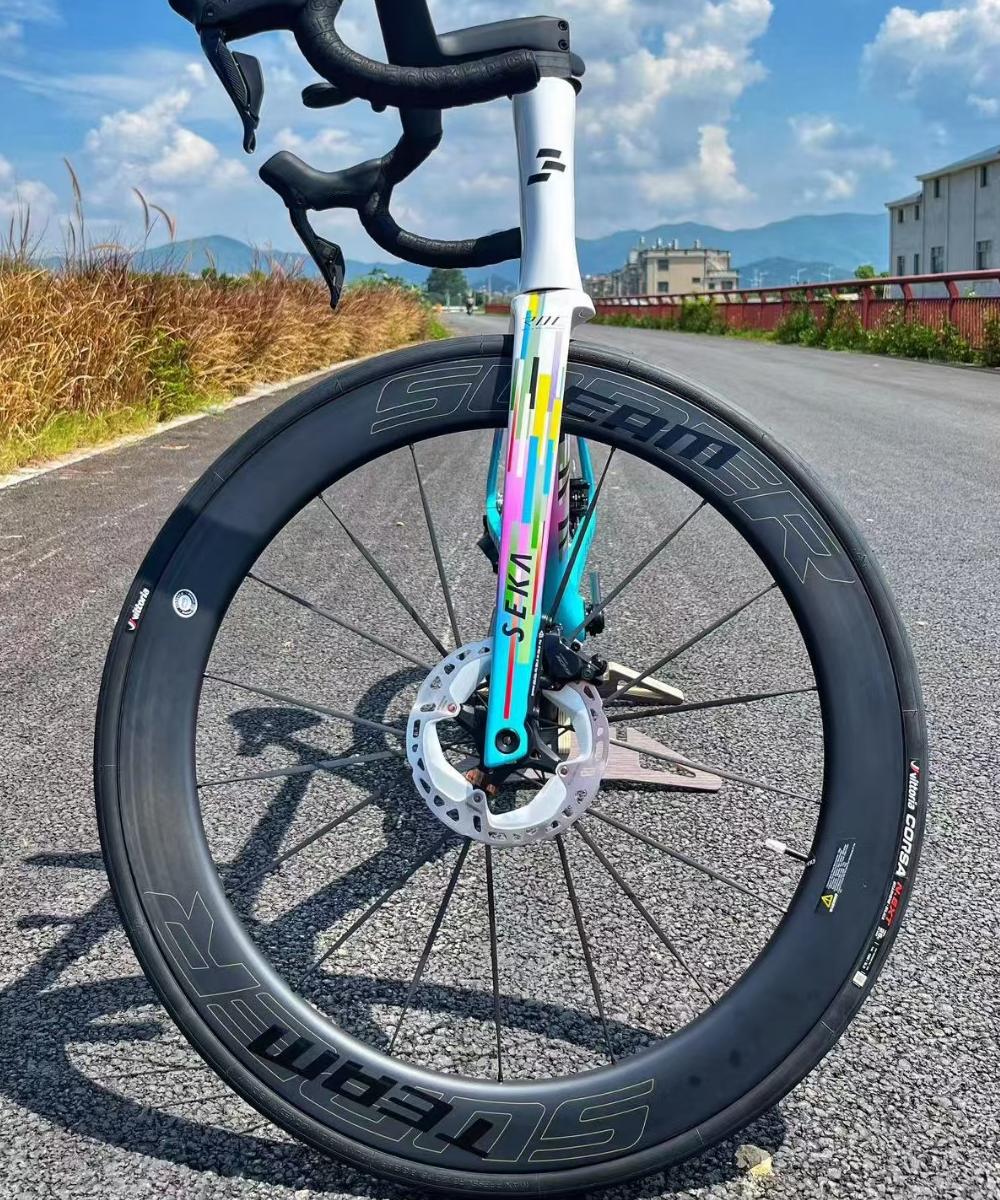

Why Some Riders Swear by Alloy Training Wheels
In an era where carbon fiber dominates high-performance cycling, it might seem surprising that many seasoned riders still reach for alloy wheels during training. Yet, this choice is far from outdated — it’s rooted in practicality, durability, and long-term performance strategy. Alloy training wheels may not turn heads like sleek carbon rims, but they remain a smart and trusted option for riders who take their preparation seriously.
Durability That Invites Abuse
Alloy wheels can handle the daily grind that training demands. Rough roads, potholes, wet conditions — they shrug it all off with minimal complaint. While carbon rims are strong, they’re also more brittle and expensive to repair if damaged. Alloy, on the other hand, can bend rather than crack, and a minor dent or wobble is often fixable with simple truing. For riders who log high mileage year-round, this resilience means less downtime and more consistent training.
Affordable Wear and Tear
Training rides are where most equipment wear happens: brake pads, tires, and rims all take a beating. Using alloy wheels for training protects your premium carbon race wheels for when they matter most — on race day. Replacement rims, spokes, or bearings for alloy sets are generally cheaper and easier to source, making them a cost-effective option for heavy use.
Consistent Braking Performance
Alloy rims excel in variable weather, especially for rim-brake bikes. Unlike carbon braking surfaces, which can lose modulation or grip in wet conditions, alloy rims maintain reliable stopping power rain or shine. This consistent feedback helps riders build better braking habits and confidence on unpredictable terrain — skills that translate well when switching to race wheels.
Ideal for Everyday Training Loads
Alloy wheels often weigh a bit more than carbon ones, but that extra weight can actually be beneficial in training. It builds leg strength and enhances climbing endurance, so when you switch back to lighter carbon wheels, you’ll immediately feel faster and more responsive. The slightly softer ride quality also provides comfort over long base miles, reducing fatigue during high-volume weeks.
Low Maintenance, High Reliability
Most alloy wheelsets use traditional spoke lacing and easily serviceable hubs. There’s no need for proprietary tools or specialized servicing, making maintenance straightforward and inexpensive. For riders who travel or train far from service centers, this simplicity is a major advantage.
Conclusion
Alloy training wheels represent a balance of practicality and performance. They’re tough, affordable, and reliable — perfect for logging countless kilometers without worry. By saving your carbon wheels for race day and relying on alloy for everyday training, you protect your investment, sharpen your form, and keep your focus where it belongs: on becoming a stronger, smarter rider.