

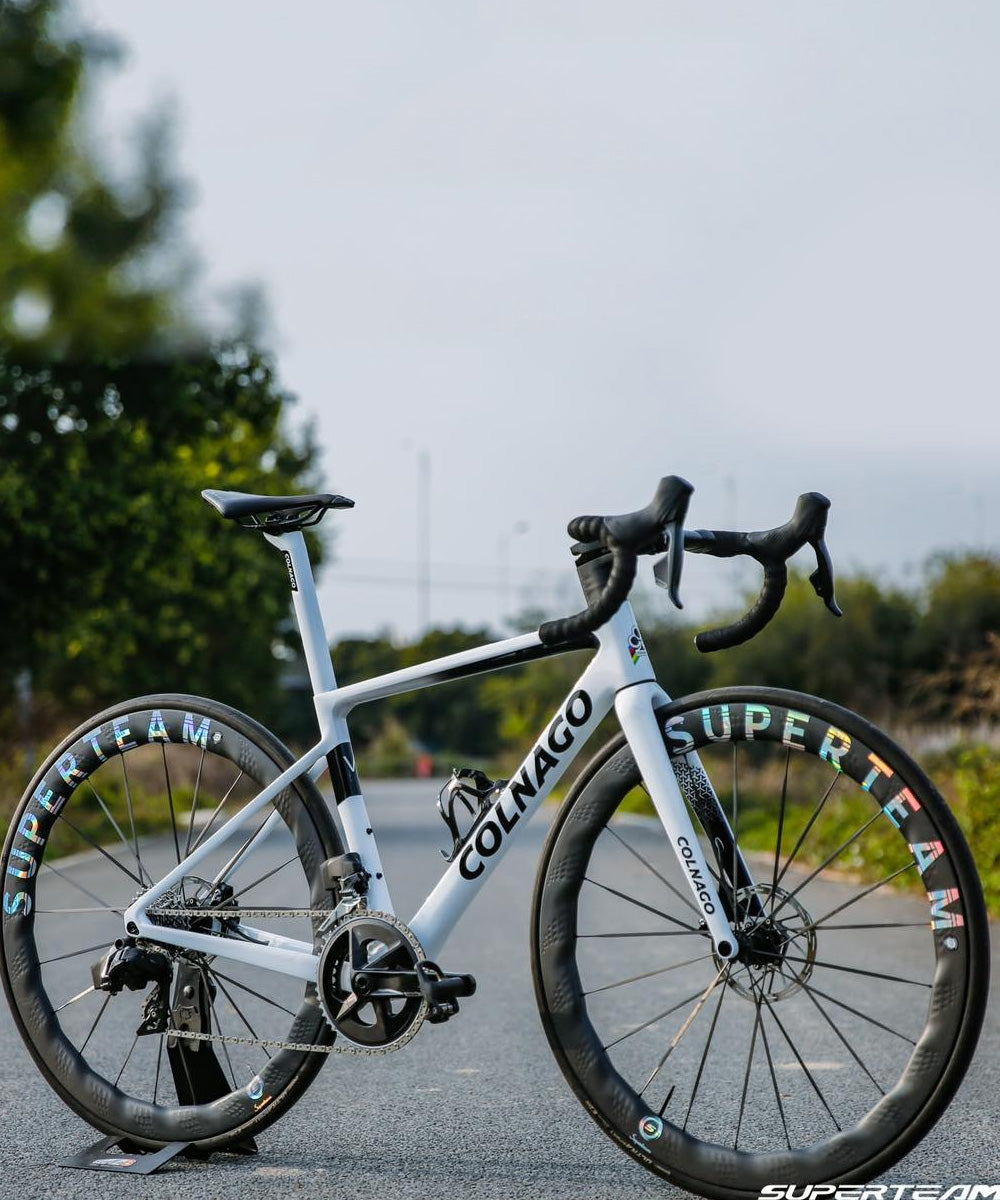


What Makes a Carbon Rim More Heat-Resistant?
When it comes to braking performance on long descents, especially with rim brakes, one of the most critical factors is heat resistance. Carbon rims have come a long way in recent years, but not all carbon wheels handle heat equally well. So, what exactly makes a carbon rim more heat-resistant—and why does it matter so much?
1. Why Heat Resistance Matters
When braking on a descent, especially during prolonged or hard stops, rim brake systems convert kinetic energy into heat. In carbon rims, this heat builds up at the braking surface, and if not managed properly, it can lead to:
Brake fade (loss of braking power)
Delamination (layers of carbon separating)
Tire blowouts (due to overheating inner tubes or tubeless sealant)
For riders who frequently descend steep mountain passes, heat resistance can be the difference between control and failure.
2. High-Temperature Resin Systems
One of the most important factors in a carbon rim’s heat resistance is the resin used in the layup process. Traditional epoxy resins begin to degrade around 120–150°C. However, high-temperature resins, such as thermoset resins engineered for aerospace or motorsport applications, can withstand temperatures up to 220–250°C.
These resins improve the structural stability of the braking surface under intense heat and prevent the rim from softening or warping.
3. Thermal Dissipation Design
A heat-resistant carbon rim doesn’t just survive high temperatures—it also manages and dissipates heat efficiently.
Design features that help include:
Basalt or ceramic brake track coatings, which increase heat resistance and durability.
Textured brake surfaces that promote airflow and cooling.
Reinforced braking zones with more layers of carbon or heat-specific weaves.
These strategies help move heat away from the most vulnerable parts of the rim.
4. Layup Structure and Fiber Orientation
The carbon fiber layup itself plays a role in thermal behavior. A well-designed rim will:
Use high-Tg (glass transition temperature) fibers near the brake track.
Optimize fiber angles to reduce internal stress during heating and cooling cycles.
Include heat shields in the form of extra resin-rich layers or composites like aramid or basalt.
This structural planning ensures the rim maintains shape and strength during repeated heat exposure.
5. Tubeless and Disc Brake Considerations
It’s worth noting that tubeless systems and disc brakes significantly reduce the importance of rim heat resistance:
Disc brakes transfer heat to the rotor and away from the rim entirely.
Tubeless setups reduce the risk of blowouts from overheating inner tubes.
For riders who still prefer rim brakes, however, choosing a rim with high thermal resistance is essential.
6. Real-World Testing and Standards
Brands often test rims to simulate extreme braking conditions. Look for products that reference:
ISO or EN braking tests
Temperature durability tests (e.g., 200°C over 20 minutes)
Certified downhill heat tests with rider load and tire pressure applied
Some high-end rims even pass SGS or ASTM testing for prolonged heat endurance.
Conclusion
The heat resistance of a carbon rim depends on a combination of high-performance resins, smart fiber layup, heat-dissipating design features, and real-world testing. If you ride in mountainous terrain or use rim brakes, choosing a rim with superior heat management isn’t just smart—it’s necessary for safety and performance.
As carbon rim technology evolves, heat resistance continues to improve, giving riders more confidence to descend harder and faster—without sacrificing control.