

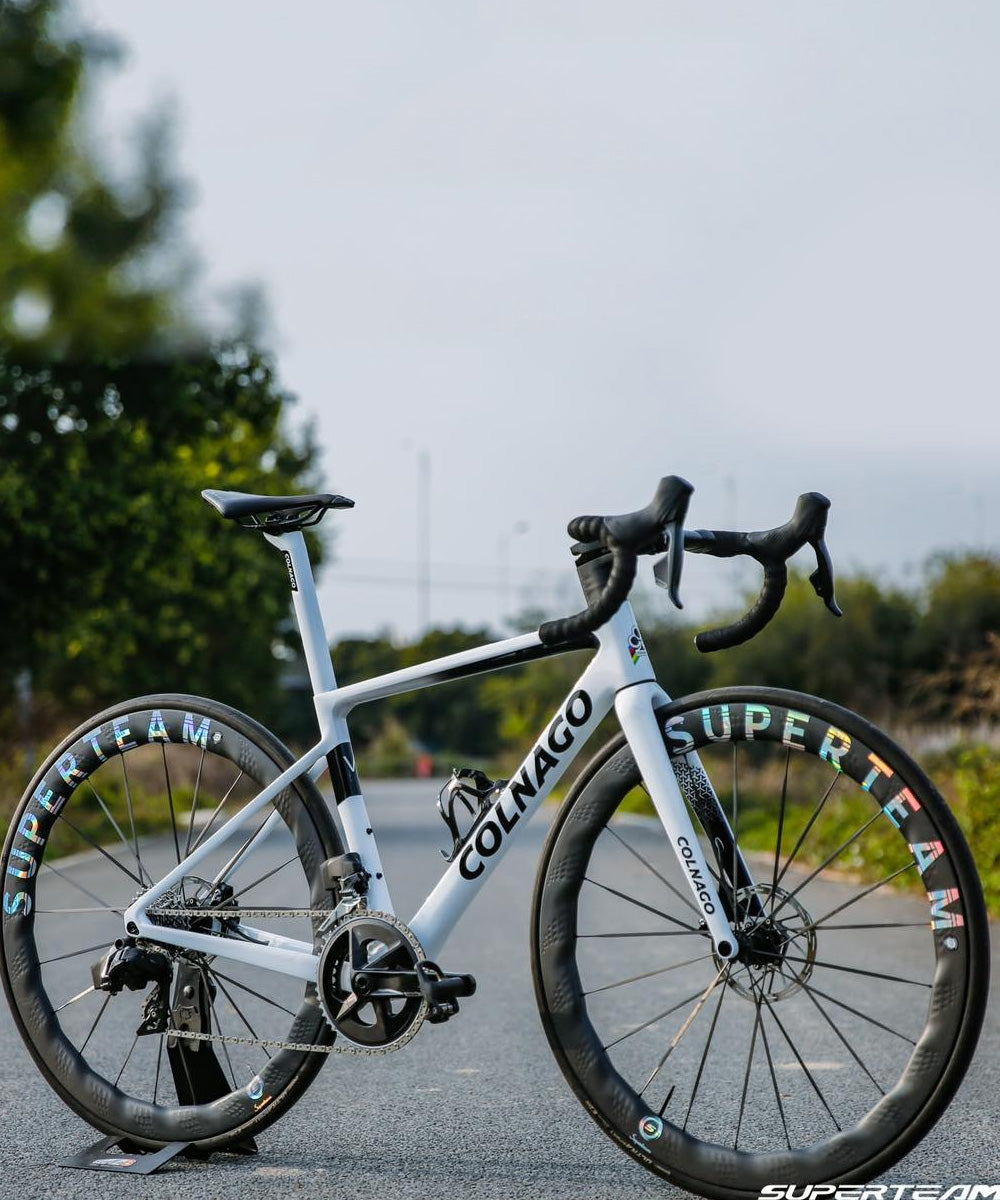


Weight and Acceleration: Why Racing Wheelsets Feel So Different
When cyclists talk about upgrading from an entry-level wheelset to a racing one, the most common word that comes up is “lightweight.” But what does “lighter” really mean in terms of performance? Does shaving off a few hundred grams actually make you faster — or is it just a marketing buzzword?
Let’s break down how wheel weight influences acceleration, climbing, and overall ride feel — and why racing wheelsets deliver that unmistakable “snap” every rider dreams of.
1. Understanding Rotational Weight
Not all grams are equal on a bike. The weight of a wheelset matters more than almost any other component because it’s rotational mass — it not only needs to be carried forward but also spun with every pedal stroke.
Imagine spinning a heavy flywheel versus a light one: the lighter version accelerates faster and responds more easily. The same principle applies to your bike wheels.
Racing wheelsets, typically weighing between 1300–1500 grams, respond instantly to power input. Entry-level aluminum sets, often 1700–2000 grams, take more energy to accelerate and decelerate. The difference is especially noticeable when climbing, sprinting, or accelerating out of corners.
2. Climbing Efficiency
On steep gradients, every gram counts. When you’re fighting gravity, a lighter wheelset means less energy is wasted lifting weight uphill. That’s why competitive riders often favor shallow, lightweight rims for climbing stages.
For example, reducing 400 grams in wheel weight might seem small, but during a 10 km climb at 7%, it can save up to 15–20 seconds — and more importantly, it feels easier with every pedal stroke.
Entry-level wheels, though heavier, often offer a more forgiving ride. Their additional mass helps maintain momentum on rolling terrain, which some endurance riders actually prefer for steady pacing.
3. Acceleration and Sprinting
Acceleration is where you really feel the difference between entry-level and racing wheels.
A lighter wheelset requires less torque to spin up, giving that explosive “pop” when you sprint. The bike feels more alive, responding instantly to pedal pressure. That’s why racers often describe high-end wheels as “snappy” or “direct.”
By contrast, entry-level wheels can feel a bit sluggish during quick accelerations. They’re durable and stable but lack that immediate feedback racers crave during attacks or out-of-corner sprints.
4. Real-World Ride Feel
Weight isn’t the only factor — where that weight is distributed matters even more.
In racing wheels, engineers focus on reducing rim mass — the furthest point from the axle — because that’s where rotational inertia has the most effect. Lighter rims spin up faster, improving agility and responsiveness.
Entry-level wheels often have thicker rim walls or heavier hubs, which increase durability but slow rotational response. On the road, this translates to a slightly “heavier” steering feel and slower changes in speed.
5. The Psychological Effect
Performance isn’t just physical — it’s also mental. Many cyclists report feeling more motivated and confident with lighter wheels. The sensation of easy acceleration encourages more frequent bursts of speed, creating a positive performance loop.
Even if the time savings on paper seem modest, the riding experience often feels dramatically improved — and that can make the difference between a strong finish and fatigue.
6. Finding the Right Balance
It’s worth noting that not every rider needs ultra-light wheels.
If you ride mainly on flat roads or value comfort over quick responses, an entry-level wheelset offers a more relaxed and stable feel. They’re also less expensive to repair and better suited to rough conditions.
Racing wheels shine in performance-oriented environments — steep climbs, criteriums, time trials, and anywhere acceleration matters. But they also require more careful handling and maintenance.
7. Final Thoughts
The gap in weight between entry-level and racing wheelsets might seem small on paper, but in cycling, small differences add up. Every gram saved in rotating mass improves efficiency, responsiveness, and climbing performance.
Ultimately, the choice comes down to your priorities.
If you crave agility and speed — the kind that makes your bike feel like it’s dancing under you — a lightweight racing wheelset delivers that magic.
If you value reliability, comfort, and cost-effectiveness, an entry-level wheelset remains a smart and dependable choice.
Either way, knowing why weight matters helps you make an informed decision — not just based on marketing, but on real physics and performance.