

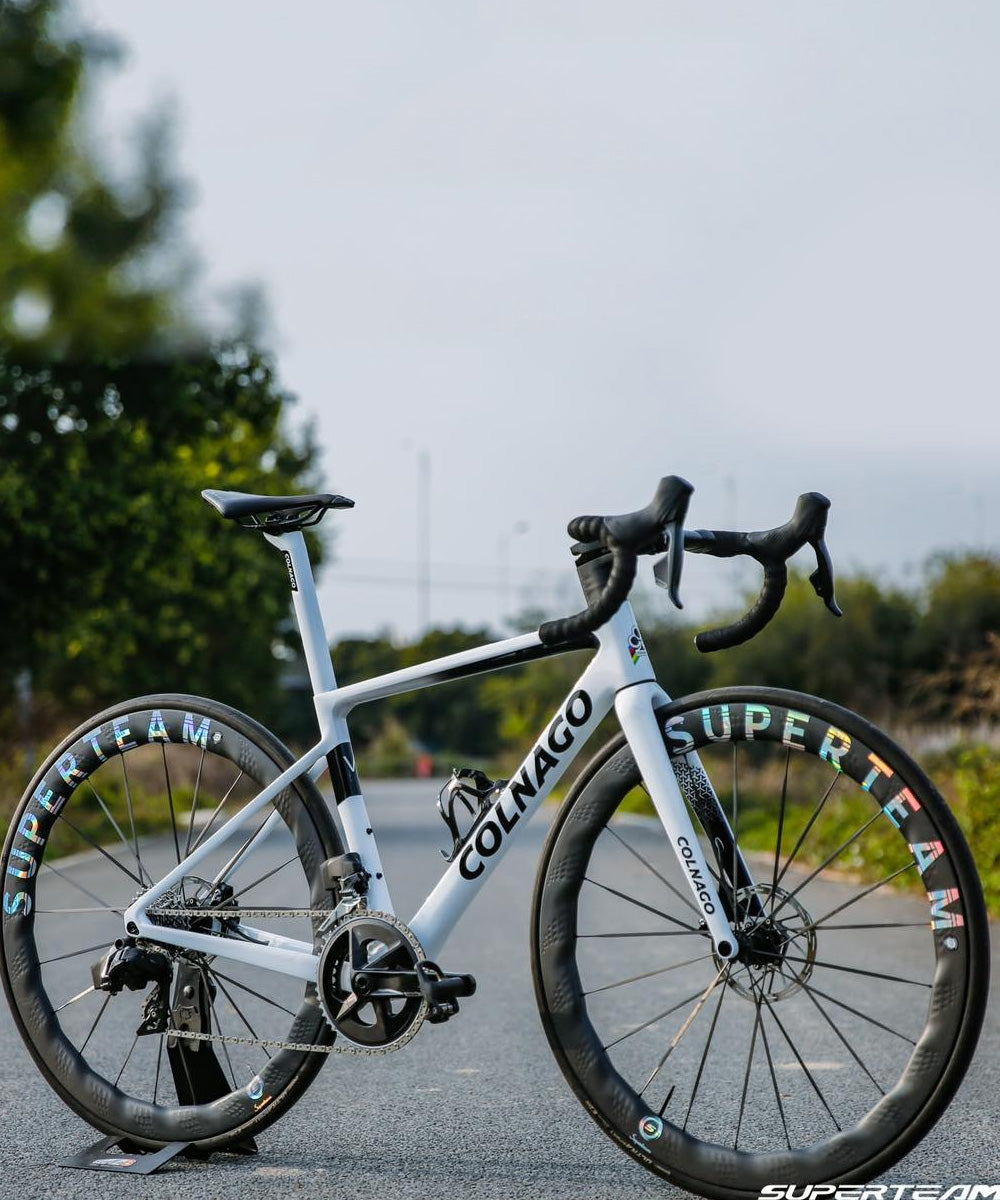


Tubeless Setup Guide for 700c Road Cycling Rims
Setting up tubeless tires on 700c road cycling rims has become increasingly popular thanks to the reduced rolling resistance, improved comfort, and superior puncture protection it offers. While tubeless can seem intimidating at first, the process is straightforward once you understand each step. This guide walks you through a clean, efficient, and reliable method to set up a tubeless system on modern road rims.
The first step is preparing the rim. Begin by ensuring that the rim bed is completely clean and free of dust, old sealant, and debris. Wipe the surface with alcohol to remove any remaining residue. A clean rim bed is essential because even tiny particles can compromise air-tightness. If your rim is already taped from the factory, inspect it carefully for gaps, wrinkles, or signs of age. If there’s any doubt, re-taping the rim is the safest choice.
Next comes applying the tubeless tape. Choose a tape that matches the internal rim width—too narrow and it won’t cover the spoke holes; too wide, and it can lift or wrinkle. Start about 10–15cm before the valve hole, stretch the tape slightly, and press it firmly into the rim channel as you go around. Maintain consistent tension and avoid trapping air bubbles. Overlap the tape at least 10cm past the valve hole and smooth the entire surface with your thumb or a plastic lever to ensure a secure seal.
After taping, install the tubeless valve. Use a sharp tool to create a small hole directly through the tape at the valve opening—do not cut a large slit. Insert the valve through the hole, press it firmly into place, and hand-tighten the lock ring on the outside. A properly installed valve should not rotate or wiggle. Secure valve fit is critical because leaks often occur here when the rubber base isn’t compressed tightly enough.
With the rim prepped, you can mount the tire. Start by seating one bead of the tire onto the rim with your hands. For the second bead, begin opposite the valve and work around evenly, keeping the tire bead in the center channel of the rim to make mounting easier. Try to install the tire by hand whenever possible—metal tire levers can damage carbon rims or pierce the tape.
Before adding sealant, test-inflate the tire dry to check bead seating. Using a floor pump or an air compressor, inflate the tire rapidly until the beads snap into place. If the tire doesn’t seat easily, adding a little soapy water around the bead helps. Once both beads are fully seated, release the air and prepare to inject the sealant.
Most road tubeless setups require 30–60ml of sealant, depending on tire volume. Remove the valve core with a valve-core tool and inject the sealant directly through the valve using a syringe. Reinstall the valve core, tighten it securely, and reinflate the tire. Shake and rotate the wheel to distribute sealant throughout the tire, ensuring all micro-gaps are sealed.
Once inflated, check for leaks along the bead, valve, and sidewalls. Small bubbles from soapy water indicate minor leaks that usually seal themselves within minutes as the sealant circulates. For stubborn leaks at the valve, tighten the lock ring a bit more until bubbling stops.
Set your final tire pressure based on your riding weight and terrain. Tubeless systems generally allow riders to run lower pressures than inner tubes, improving comfort and grip. Most 700c road setups fall between 60–85 PSI with 28–32mm tires, but always follow the tire and rim pressure limits.
After the installation, ride the wheel for a few minutes or bounce it gently to help the sealant coat the internal tire surface. Over the next 24 hours, re-check the pressure and top it off as needed—slight air loss is normal for new setups.
Maintaining a tubeless system is simple: check sealant every two to six months, depending on climate and mileage. Refreshing the sealant ensures continued puncture protection and airtight performance.
With proper preparation, clean technique, and the right components, a 700c tubeless setup delivers smoother rides, fewer punctures, and better long-term performance. Once you’re familiar with the process, the tubeless system becomes one of the most reliable upgrades you can make to your road bike.