


Tools to Identify Frame Misalignment Before It Causes Damage
Frame misalignment is a hidden problem that can quietly cause poor handling, uneven tire wear, drivetrain noise, and premature component failure. Catching alignment issues early helps protect your bike and prevents costly repairs. With a few basic tools, you can identify most frame alignment problems before they lead to serious damage.
Why frame alignment matters
A properly aligned frame keeps both wheels tracking in the same plane. When alignment is off, the bike may pull to one side, shift poorly, or place uneven stress on bearings, hubs, and the frame itself. Carbon and aluminum frames are especially sensitive to misalignment because they do not bend back easily once damaged.
Essential tools for checking alignment
A straightedge or long metal ruler is useful for checking visual alignment along the frame tubes. A plumb line helps verify the vertical alignment of the head tube, seat tube, and bottom bracket area. A spirit level ensures your reference surface is flat. A digital caliper allows you to compare distances accurately on both sides of the frame. A dropout alignment gauge helps check rear dropout parallelism, especially on disc brake bikes.
Checking rear triangle alignment
Start at the rear of the bike. Use a straightedge or string method to compare the distance from the seat tube to each dropout. The measurements should be equal on both sides. Uneven spacing can indicate a bent rear triangle or misaligned dropout.
Checking wheel centering
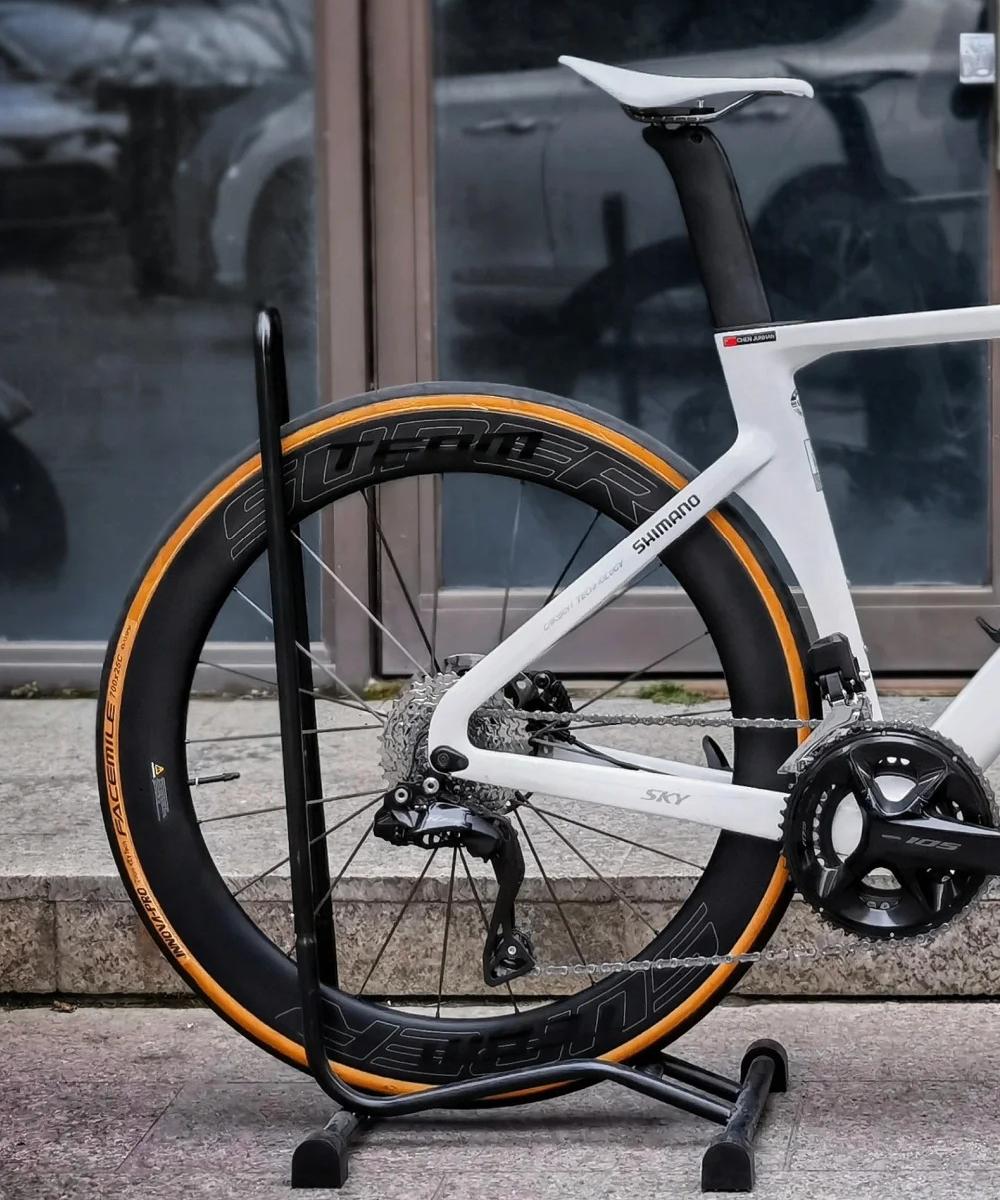
Install the rear wheel and check whether it sits centered between the chainstays and seatstays. A ruler or caliper can measure the gap on each side. If the wheel appears centered in one frame but not in another, the issue may be frame alignment rather than wheel dish.
Checking head tube alignment
Use a plumb line dropped from the center of the head tube. It should line up cleanly with the center of the bottom bracket. A visible offset may indicate front-end misalignment, often caused by crashes or transport damage.
Checking disc brake alignment clues
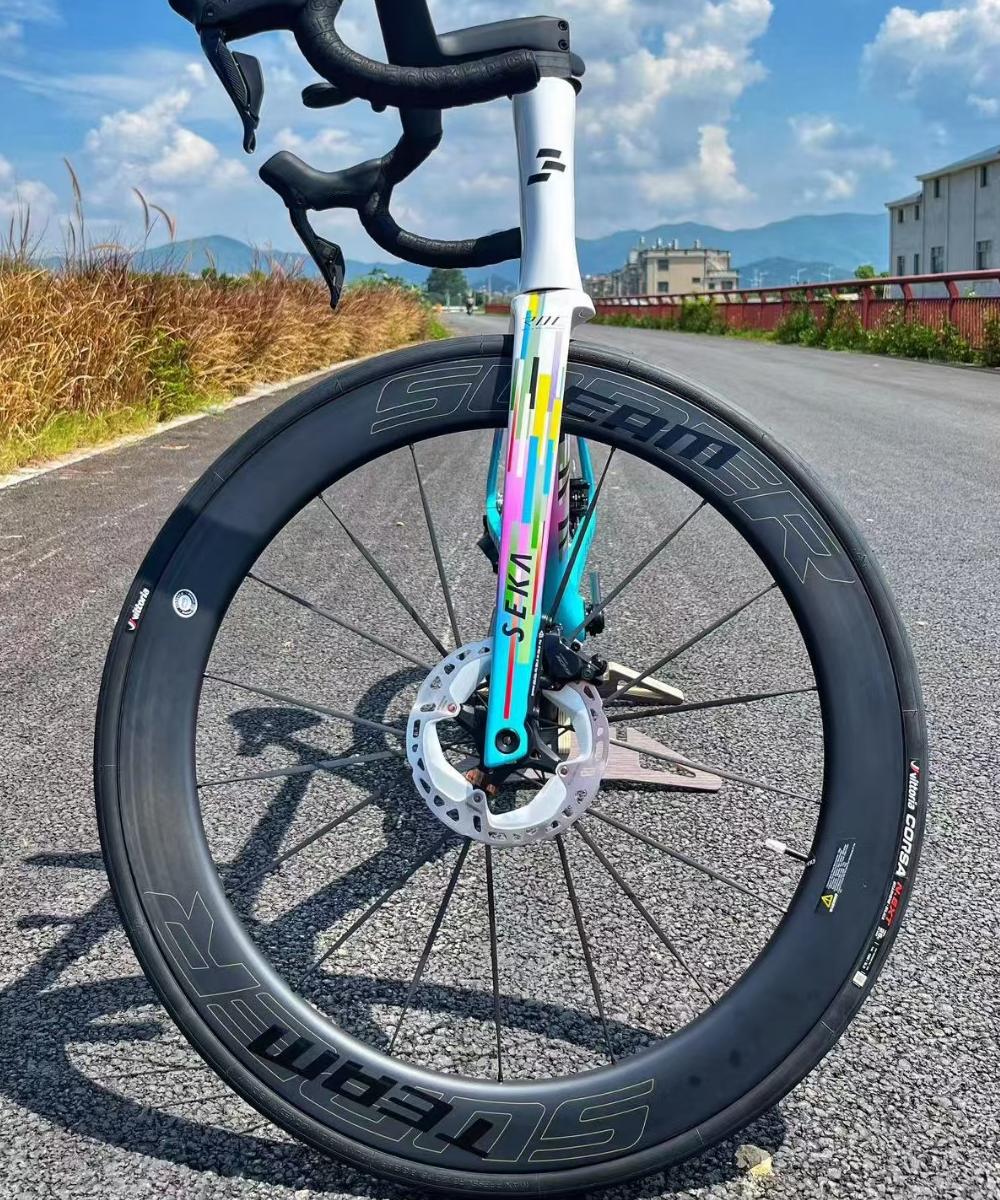
On disc brake bikes, misalignment often shows up as persistent brake rub on one side. If the rotor and caliper are correctly adjusted but rub remains, check whether the frame or fork dropouts are parallel using an alignment gauge.
Comparing left and right measurements
Use a digital caliper to compare symmetrical points on the frame, such as chainstay length, seatstay distance, or dropout spacing. Differences beyond a few millimeters usually indicate a problem that should not be ignored.
When to stop and seek professional help
If you find significant misalignment, cracks, or asymmetrical stress marks, do not attempt to bend or correct the frame yourself—especially with carbon frames. At this point, a professional frame alignment service or manufacturer inspection is the safest option.
Conclusion
Identifying frame misalignment early requires only simple tools and careful measurement. With a straightedge, plumb line, level, and caliper, you can spot warning signs before they cause handling issues or permanent damage. Regular checks are especially important after crashes, travel, or long-term heavy use.