


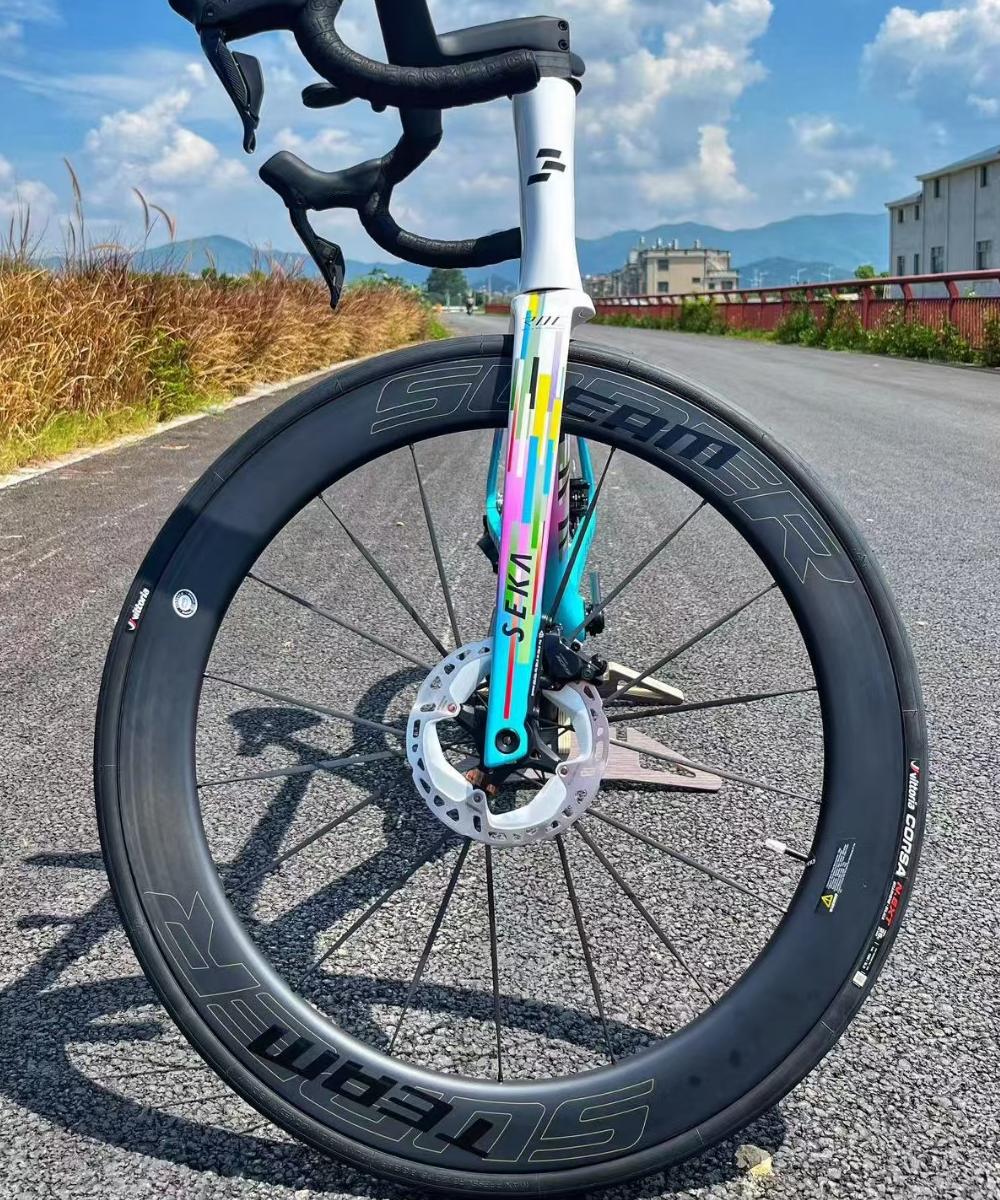

Tools for Identifying Hidden Delamination in Carbon Rims
Hidden delamination is one of the most serious but hardest-to-detect issues in carbon rims. Unlike visible cracks or chips, delamination often develops beneath the surface, where carbon layers begin to separate due to impact, heat, or long-term fatigue. If left unnoticed, it can lead to sudden structural failure. Using the right tools and inspection methods allows riders and home mechanics to identify warning signs early without damaging the wheel.
Why is delamination difficult to spot
Carbon rims are built from multiple layers of carbon fiber bonded with resin. Delamination occurs when these layers lose adhesion. In the early stages, the outer surface may look perfectly normal, with no cracks or deformation. This makes visual inspection alone insufficient, especially after crashes, pothole strikes, or prolonged braking heat exposure.
Tap test tools and methods
The tap test is one of the simplest and most effective methods for detecting hidden delamination.
A small plastic screwdriver handle, coin, or dedicated tap hammer can be used to gently tap around the rim surface. Healthy carbon produces a sharp, consistent sound. Areas with delamination often sound dull, flat, or muted by comparison. Tapping should be done slowly and methodically around both sidewalls and the rim bed, listening for changes in tone rather than volume.
Good lighting and sound isolation improve accuracy. Performing the test in a quiet room helps subtle differences stand out.
Strong lighting and inspection lamps
High-intensity LED inspection lights are essential for spotting indirect signs of delamination. By shining light at a low angle across the rim surface, you can reveal subtle surface waves, ripples, or changes in gloss that may indicate internal separation.
Headlamps or adjustable work lights are especially useful because they allow you to change viewing angles easily while keeping both hands free. Any area that reflects light differently from the surrounding surface deserves closer inspection.
Coin or straightedge tools for surface irregularities
A simple straightedge or metal ruler can help detect tiny bulges caused by internal layer separation. Place it lightly against the rim surface and check for gaps or rocking. Delaminated areas sometimes expand slightly outward, even if the carbon has not cracked.
Coins can also be used as feeler tools. Sliding a coin gently across the surface can help you feel subtle transitions that your fingers may miss.
Thermal comparison tools
Delaminated carbon may dissipate heat differently from intact areas.
After a short, controlled ride or gentle braking session, carefully feel the rim surface by hand once it has cooled slightly. Uneven cooling patterns or localized warm spots may suggest internal bonding issues. For more precision, an infrared thermometer can be used to compare temperatures at multiple points around the rim. Significant variation can indicate structural inconsistency.
Ultrasonic and acoustic testing tools
Ultrasonic testing tools are the most accurate non-destructive method for detecting delamination. These devices send sound waves through the carbon structure and analyze reflections caused by voids or layer separation. While typically used in professional settings, portable ultrasonic testers are becoming more accessible and offer excellent reliability.
Acoustic resonance tools, though less common, can also identify abnormal vibration patterns in compromised carbon structures.
What not to use
Avoid sharp probes, excessive pressure, or any method that requires scratching or sanding the rim surface. Never drill, puncture, or remove resin to “check” internal layers. These actions permanently weaken the rim and can turn a minor issue into a critical failure.
When to seek professional inspection
If multiple tools indicate a suspicious area, or if delamination is suspected near high-stress zones such as the spoke bed, bead seat, or brake track, professional inspection is strongly recommended. Riding on a delaminated carbon rim is unsafe, even if the wheel still feels true.
Conclusion
Identifying hidden delamination in carbon rims requires more than a quick visual check. By combining simple tools like tap tests and inspection lights with careful observation and, when needed, advanced ultrasonic methods, riders can detect early warning signs before they become dangerous. Regular inspection protects not only the wheelset, but also the rider’s safety and confidence on the road.