

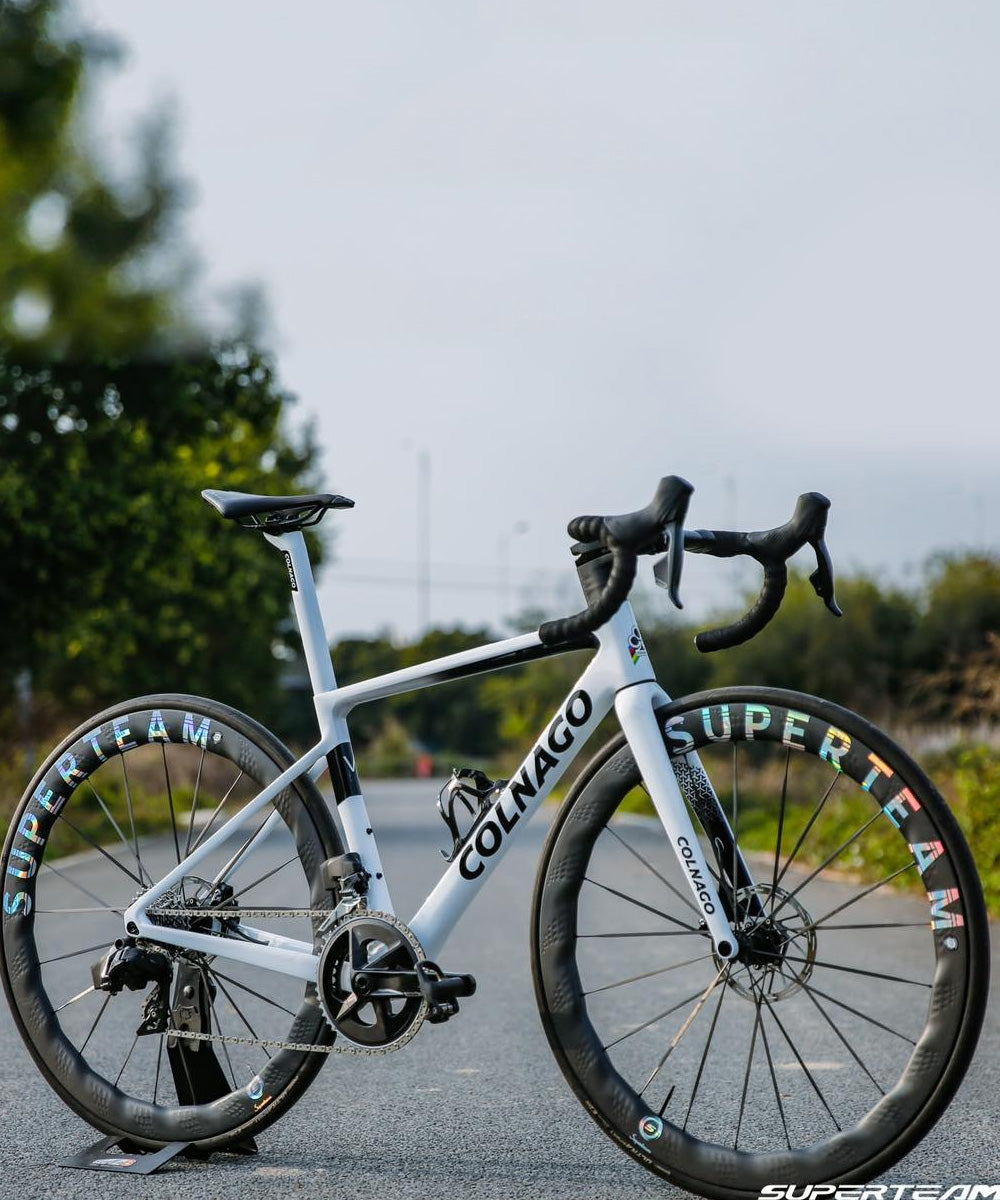


The Truth About Ceramic Bearings in High-Performance Wheels
Ceramic bearings have become a buzzword in the cycling world, often marketed as a key upgrade for riders seeking speed and efficiency. Promises of reduced friction, lighter weight, and longer life make them sound like a must-have for high-performance wheels. But how much of this is true, and how much is marketing hype?
The Case for Ceramic Bearings
Ceramic balls are harder, rounder, and smoother than their steel counterparts. This means they generate less rolling resistance when properly installed and maintained. In theory, ceramic bearings can offer marginal gains, saving a few watts at high speeds—appealing to time trialists, sprinters, and competitive racers. They are also more resistant to corrosion, which is advantageous in wet conditions.
The Limitations
While ceramic bearings are technically more efficient, the real-world performance gains are often small—sometimes nearly imperceptible to the average rider. Much depends on bearing quality, lubrication, and maintenance. A poorly installed or low-grade ceramic bearing can perform worse than a high-quality steel bearing. They are also more expensive, sometimes costing several times the price of steel bearings, and may require more frequent servicing to maintain their advantage.
Durability Considerations
Ceramic bearings can wear faster if not paired with high-quality races and seals. In harsh conditions such as gravel or wet winter roads, dirt and grit can quickly negate their efficiency benefits. For many endurance and everyday riders, the durability and reliability of steel bearings remain a more practical choice.
Who Benefits Most
Ceramic bearings make the most sense for competitive cyclists where every watt counts—professional racers, time trialists, or track cyclists. For recreational riders or those focused on durability and low maintenance, the cost-to-benefit ratio is often unfavorable.
Conclusion
Ceramic bearings do offer measurable performance improvements, but these gains are marginal and context-dependent. For elite athletes chasing every second, they can be worthwhile. For most riders, however, high-quality steel bearings provide a more cost-effective balance of efficiency, durability, and reliability. The truth is that ceramic bearings are not a magic bullet but rather a specialized upgrade best suited for specific performance-focused scenarios.