

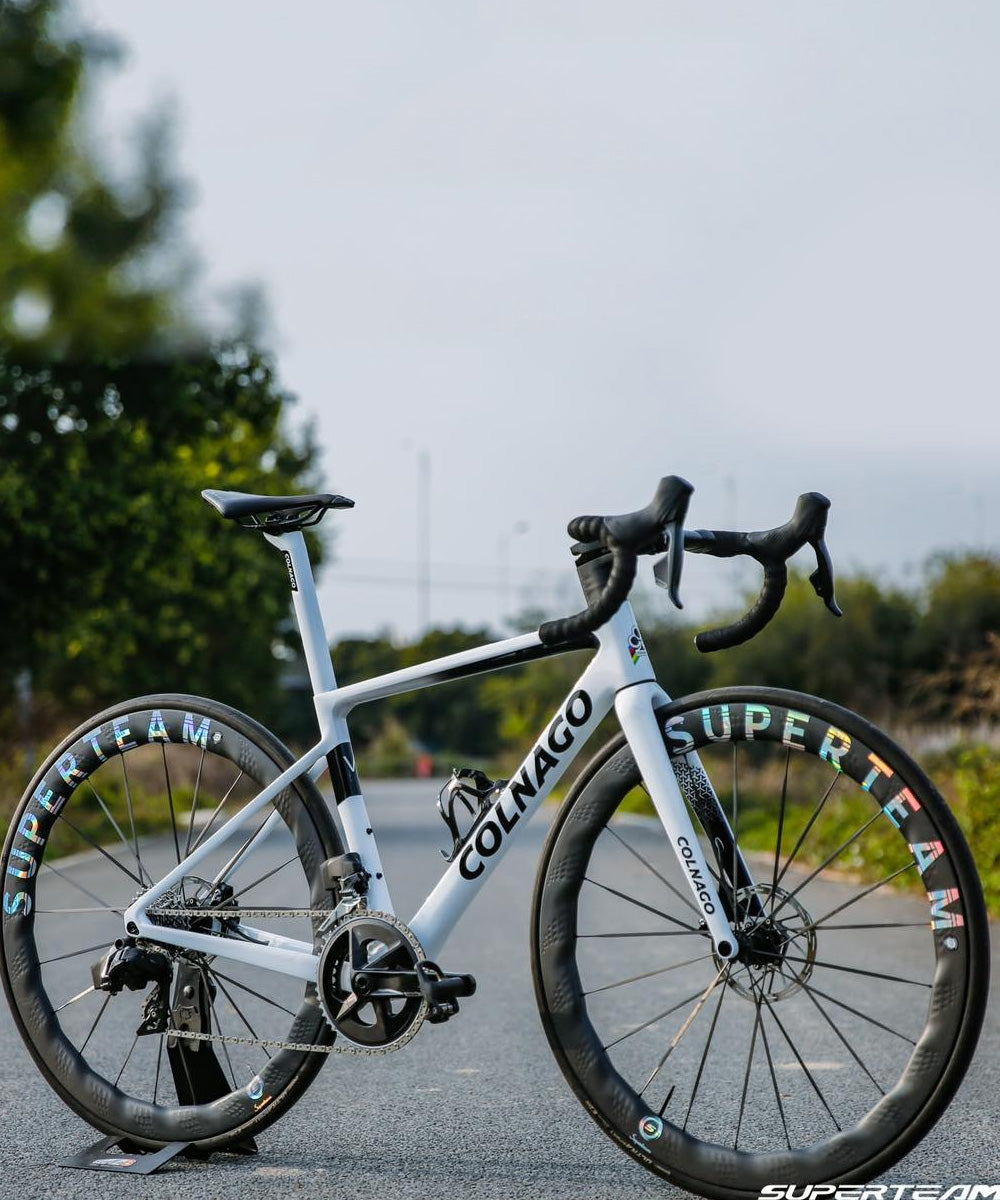


The Smart Buyer’s Guide to Wheelsets on Sale – Avoiding the Pitfalls
When cycling season approaches—or during big events like Black Friday—wheelset sales seem too tempting to resist. But before clicking Buy Now, it’s worth knowing that not all deals are truly deals. A few smart checks can save you from spending hundreds on something that underperforms or doesn’t even fit your bike.
1. Don’t Be Fooled by Deep Discounts
A 60% off tag doesn’t always mean value. Some brands inflate their “original prices” before discounting. Instead of focusing on the markdown, compare the actual specs (rim depth, hub type, weight, and material) with similar models from other brands like Superteam, Hunt, or DT Swiss.
Tip: Always check if the wheelset is the current generation model—not an outdated one with obsolete standards (like old quick-release-only setups).
2. Confirm Brake Type Compatibility
It sounds obvious, but many riders have purchased disc wheels for rim brake bikes (or vice versa). Always double-check:
Brake surface type (rim or disc)
Axle spacing (QR or thru-axle)
Rotor mount type (Centerlock vs 6-bolt for disc models)
Mixing these up can mean your “deal” turns into a return headache.
3. Research the Hub Quality
The hub is the heart of a wheelset. Low-quality hubs can feel rough or develop play after a few hundred kilometers. Look for:
Sealed bearings over loose-ball systems
Easy maintenance (replaceable bearings and freehub bodies)
Reliable brands like Powerway, DT Swiss, or Novatec
Superteam, for instance, offers different hub options (Powerway R13 or R36) with solid long-term performance.
4. Check Warranty and After-Sales Service
Some wheelset sellers on marketplaces offer great prices but zero warranty or service support.
Before you buy:
Look for at least a 1-year warranty
Confirm if replacement spokes and rims are available
Prefer official or authorized sellers (Superteam’s official site, not random Amazon listings)
5. Weigh the Real-World Cost
Shipping fees, import taxes, and potential replacement parts can offset discounts. Always factor in total landed cost—especially for international purchases.
Pro Tip: If you’re ordering direct from a brand site, look for “free global shipping” or Black Friday bundle deals (like extra brake pads or free rim tape).
6. Avoid “No-Name Carbon” Listings
Cheap carbon wheelsets from unknown manufacturers can be risky:
Poor layup consistency
Unverified braking surface heat resistance
No proper QC or impact testing
Stick to brands that publish test data, like Superteam or Winspace. You’ll pay slightly more, but get proven reliability and safety.
7. Test Before You Trust (If Possible)
If you can, read real rider reviews—especially from cycling blogs, YouTube channels, or Reddit communities. Look for consistent feedback on build quality, stiffness, and durability, not just one-off praise.
Conclusion: A Smart Deal Is an Informed Deal
Finding the right carbon wheelset at a discount isn’t about chasing the lowest price—it’s about buying performance and reliability wisely.
Do your homework, avoid the pitfalls, and you’ll end up with wheels that elevate your ride instead of your frustration level.