



The Science Behind Climbing and Aero Wheels
Cycling performance isn’t just about fitness — it’s also about physics. The difference between a climbing and an aero wheelset comes down to two opposing forces: gravity and aerodynamic drag.
1. Fighting Gravity
When climbing, your main enemy is gravity. The lighter your setup, the less energy you waste carrying it uphill. Every extra gram requires additional watts. Studies show that reducing 300g in wheel weight can save around 2–4 seconds per kilometer of steep climbing, depending on gradient and rider weight.
2. Fighting Air Resistance
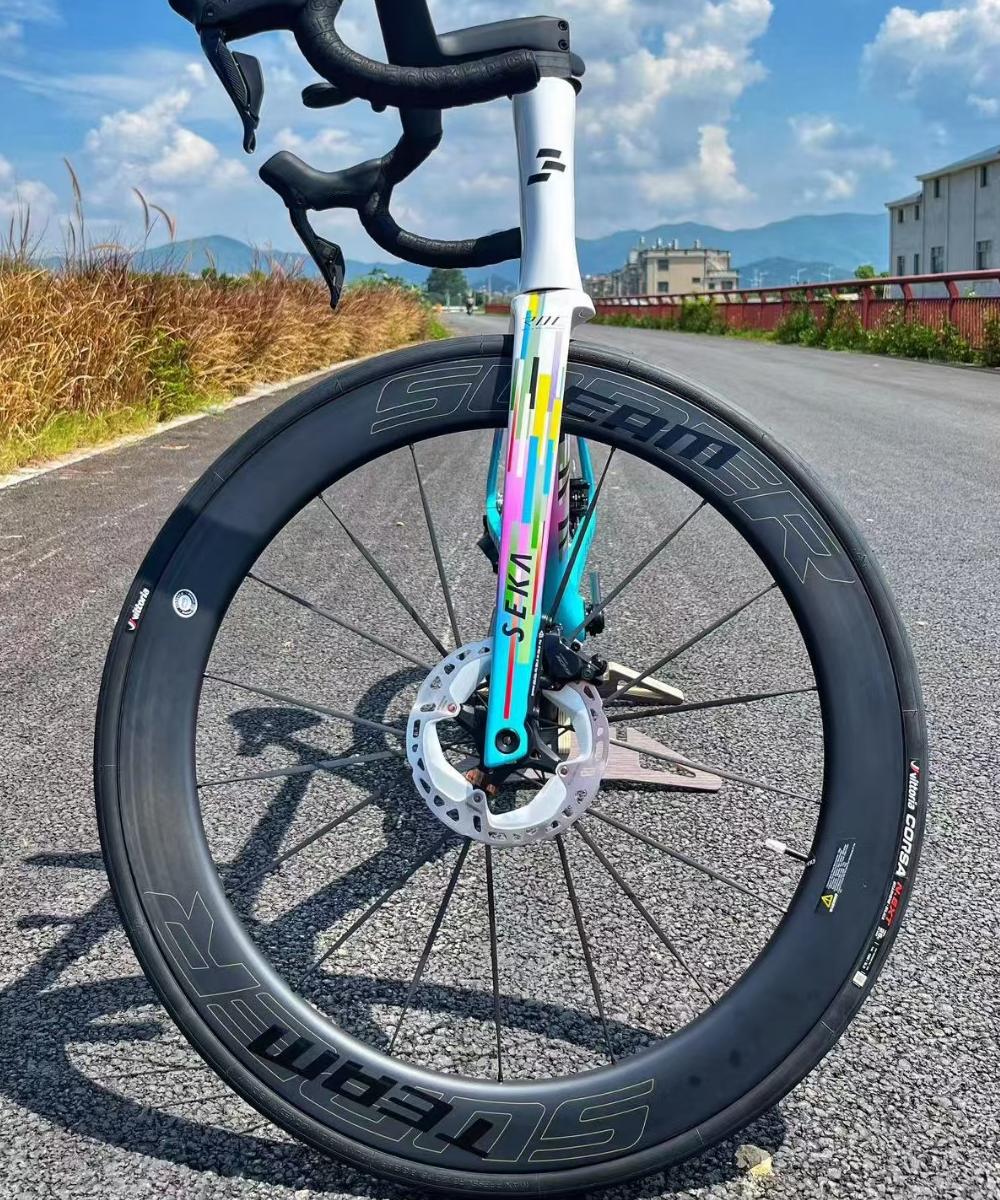
On flat terrain, air resistance dominates — accounting for up to 90% of total drag. Aero wheels reduce this by shaping the rim to allow smoother airflow. The deeper the rim, the greater the aerodynamic benefit, although gains start to diminish beyond 65mm.
3. Crossover Points
The “break-even” point — where aero efficiency outweighs weight savings — typically occurs around a 5–6% gradient. Below that, the aero wheels are faster; above it, climbing wheels hold the advantage. This means on rolling hills or endurance rides with moderate climbs, an aero wheelset can still be the better all-around choice.
4. Comfort and Ride Feel
Deeper wheels are stiffer laterally, providing power transfer but sometimes transmitting more road vibration. Climbing wheels, with lower profiles and fewer layers of carbon, offer a more supple ride feel — appreciated during long days in the saddle.
Science makes one thing clear: there’s no universal “best” wheelset, only the one that best fits your real-world conditions.