

The Role of Spoke Count in Road Cycling Rim Durability
When riders evaluate wheel strength and long-term reliability, one factor often overlooked is spoke count. While rim material and hub quality get plenty of attention, spoke count plays a crucial structural role in how durable and dependable road cycling rims are over thousands of kilometers. Understanding how spoke number affects load distribution, impact resistance, and long-term stability can help riders choose rims that match their riding demands.
Spokes act as the primary support system for a wheel. Each spoke helps transfer rider weight and road forces into the rim and hub. With more spokes, these forces are distributed across a greater number of contact points, reducing stress on any individual area of the wheel. This is one of the main reasons higher spoke counts generally increase the durability of road cycling rims, especially when used on rough roads or under heavier riders.
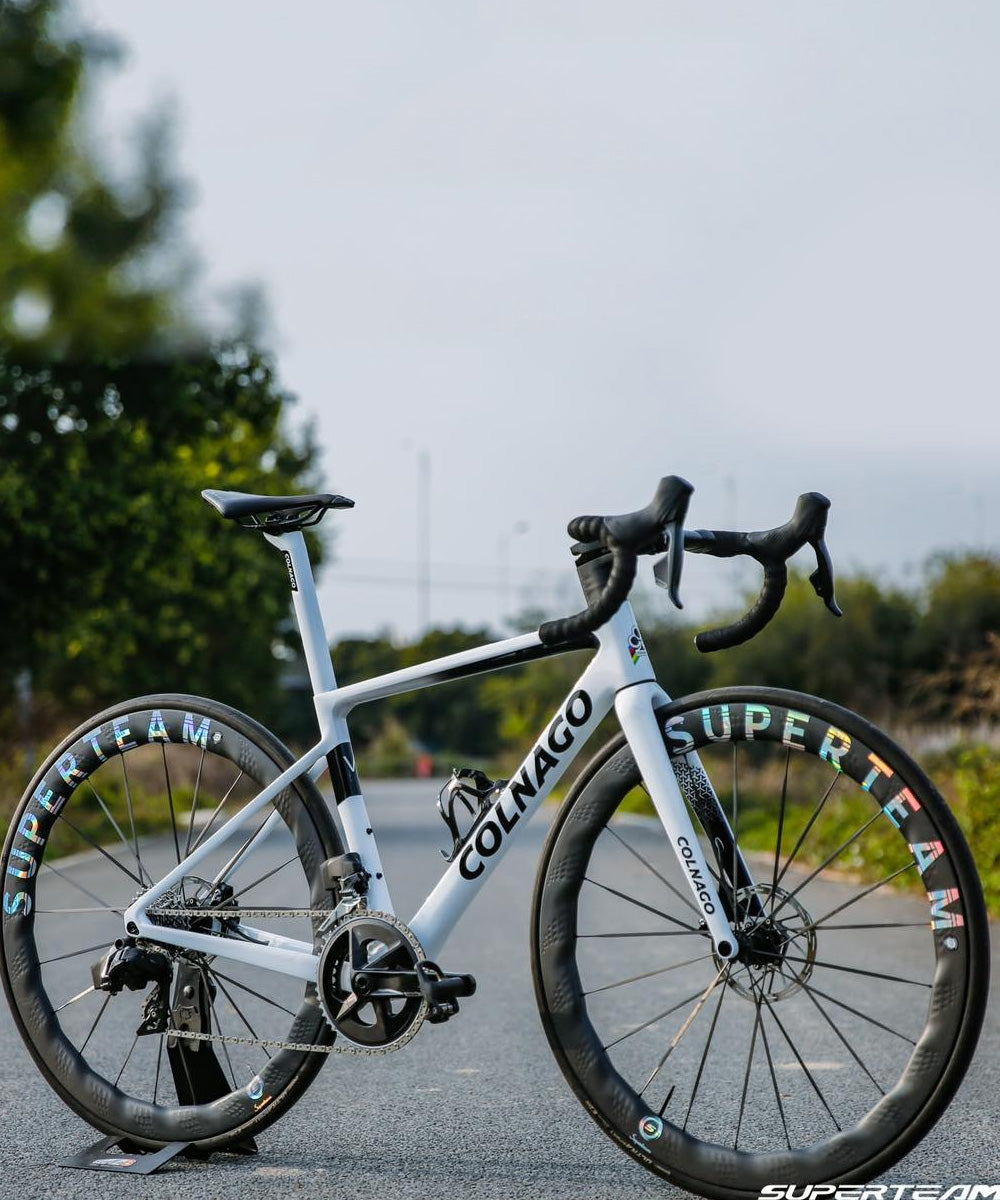
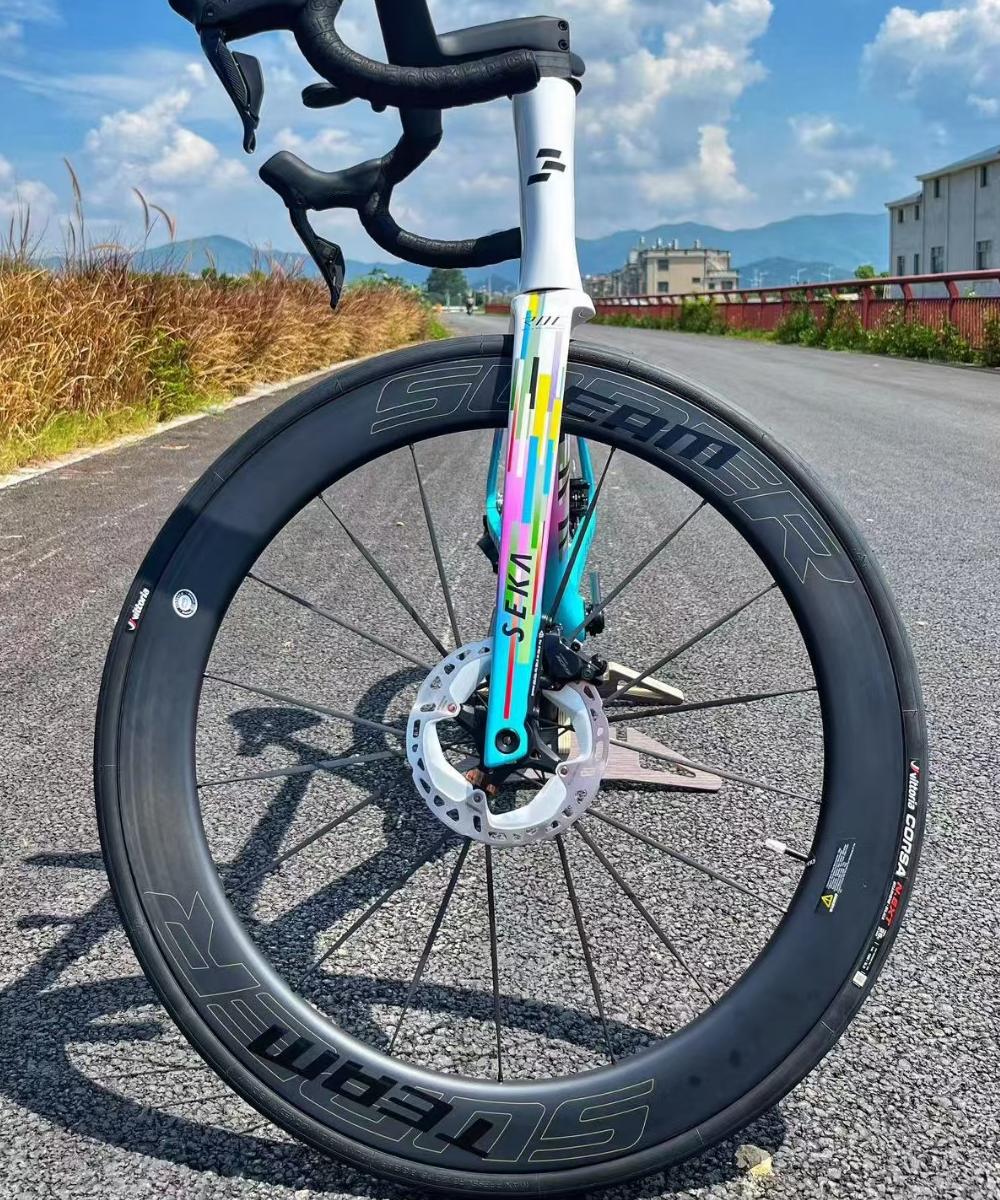
In contrast, wheels with lower spoke counts often prioritize aerodynamics and weight savings, making them popular for racing and fast road cycling. These designs rely on both the stiffness of the rim and the strength of each spoke to maintain structural integrity. Modern carbon road cycling rims can be engineered to handle these reduced spoke counts while still staying stiff and stable, but the margin for error becomes smaller. A broken spoke on a low-spoke wheel can significantly compromise the wheel’s shape and safety.
Durability also depends on how evenly tension is maintained across the spokes. With more spokes, each one carries less individual tension, which can help reduce the likelihood of spoke fatigue or sudden tension loss. Riders who frequently ride long distances, commute daily, or encounter unpredictable terrain often benefit from wheels with higher spoke counts because they offer more consistent long-term performance. For these riders, the durability advantage outweighs the small weight penalty.
Rider size and power output also play important roles. Powerful sprinters and heavier cyclists exert more lateral and vertical force on their wheels. Choosing road cycling rims with 28 or 32 spokes can significantly improve wheel lifespan and reduce the need for frequent truing or spoke replacements. On the other hand, lighter riders or those focused on competitive road racing may prefer 20–24-spoke wheels to reduce aerodynamic drag and rotational weight.
It’s important to note that spoke count is only one element of the wheel’s overall durability. Spoke material, lacing pattern, and rim construction all influence the final performance. Carbon road cycling rims benefit from strategically engineered layups that enhance stiffness and distribute tension efficiently. Combined with a reliable spoke count, this helps create wheels that stay true longer and resist stress-related damage.
Ultimately, the right spoke count depends on the rider’s priorities. Those seeking maximum strength and reliability should lean toward higher spoke counts, while performance-focused riders may accept lower counts for speed advantages. In every case, spoke count remains a critical but often underestimated factor in the durability of road cycling rims. Choosing the right configuration ensures the wheelset stays dependable, stable, and safe across thousands of real-world riding conditions.