

The Real-World Benefits of Hookless Rim Designs
In recent years, hookless rims have become increasingly common in both road and gravel cycling, raising questions among riders about their actual benefits compared to traditional hooked designs. While initially associated with mountain biking, hookless technology is now making a strong impact on high-performance road wheels.
What Is a Hookless Rim?
A hookless rim eliminates the small inward-facing bead hook traditionally used to secure a clincher tire. Instead, the tire relies on a precisely measured bead seat diameter (BSD) to lock into place. This requires compatible tubeless or tubeless-ready tires, designed with reinforced beads to maintain a safe and secure fit.
Benefit 1: Improved Aerodynamics
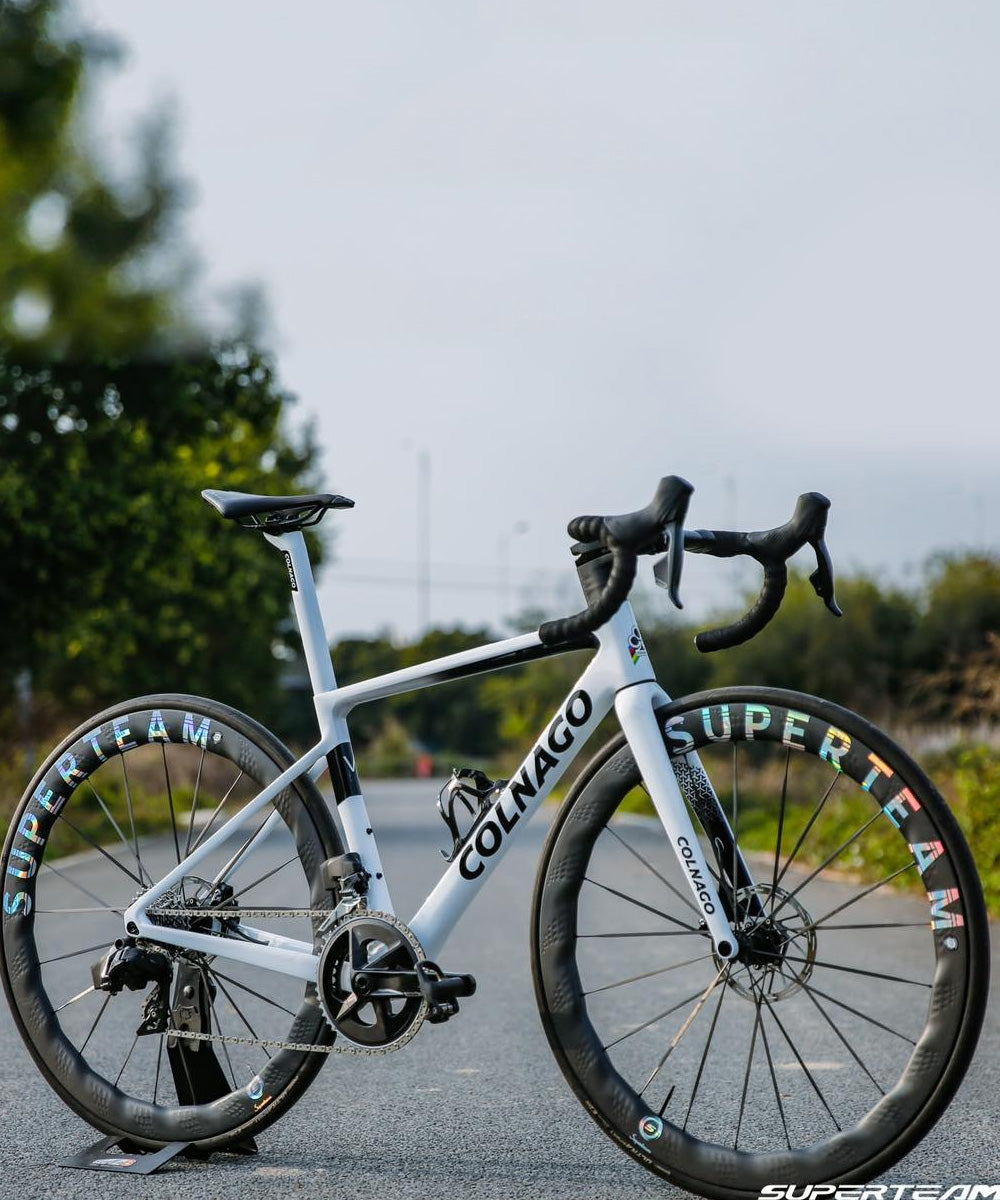
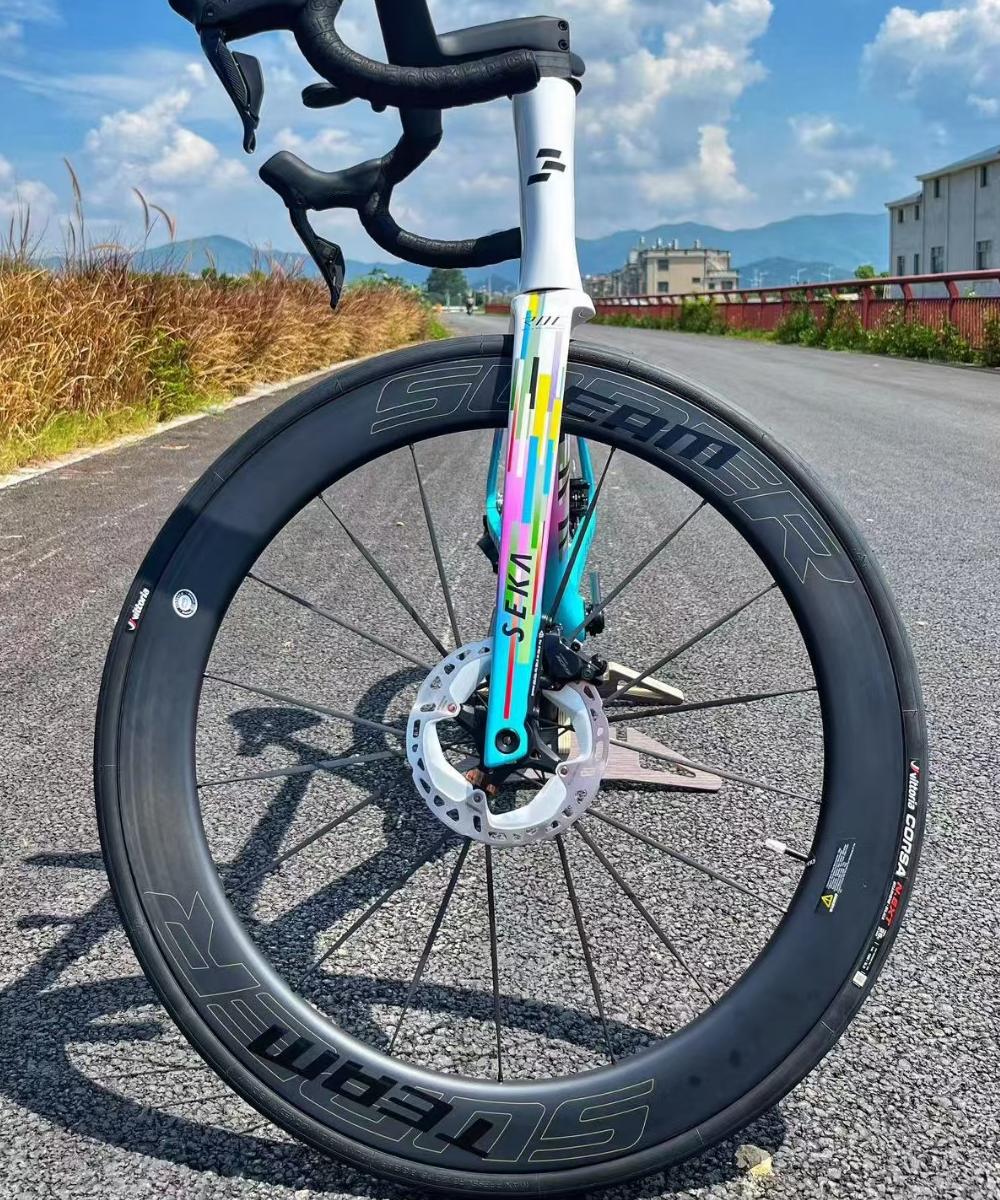
Hookless rims allow manufacturers to design a straighter and wider sidewall profile, reducing turbulence around the tire-rim interface. This creates a smoother transition from tire to rim, lowering aerodynamic drag. For riders chasing speed, especially in road racing and time trials, this streamlined profile offers a measurable advantage.
Benefit 2: Lower Weight and Simplified Manufacturing
By eliminating the bead hook, engineers can reduce unnecessary material in the rim walls. This results in a lighter rim without compromising strength. Additionally, hookless construction simplifies the carbon layup process, which can increase manufacturing consistency and reduce potential defects.
Benefit 3: Wider Internal Rim Widths and Tire Stability
Hookless rims naturally pair with wider internal rim widths. This combination improves tire stability by giving the tire a more optimal shape under pressure, which translates to better cornering grip and ride comfort. The increased contact patch is particularly advantageous for gravel and endurance riders.
Benefit 4: Lower Recommended Tire Pressures
Hookless systems are designed for tubeless setups and perform best at lower pressures. Reduced tire pressure improves rolling efficiency on rough surfaces, increases comfort, and minimizes the risk of pinch flats. For gravel, cyclocross, and all-road applications, this is a major benefit.
Benefit 5: Enhanced Durability and Impact Resistance
Because hookless rims use straighter sidewalls, they distribute impact forces more evenly across the rim structure. This makes them less prone to cracking under hard hits compared to traditional hooked rims. For aggressive riders tackling rough terrain, hookless designs offer peace of mind.
Key Considerations
While hookless rims deliver real-world benefits, riders must ensure tire compatibility. Only tires labeled as “hookless-compatible” should be used, as traditional clincher tires may not seat safely. Additionally, maximum tire pressure limits are usually lower for hookless rims, which may not suit riders who prefer very high pressures.
Conclusion
Hookless rim technology represents a forward-thinking approach to wheel design, blending aerodynamic efficiency, weight savings, durability, and comfort. While they require careful pairing with compatible tires, the real-world performance benefits make hookless rims an increasingly attractive choice for both road and gravel riders seeking the next level of performance.