
The Psychology of Wheel Upgrades: Does It Really Make You Faster?
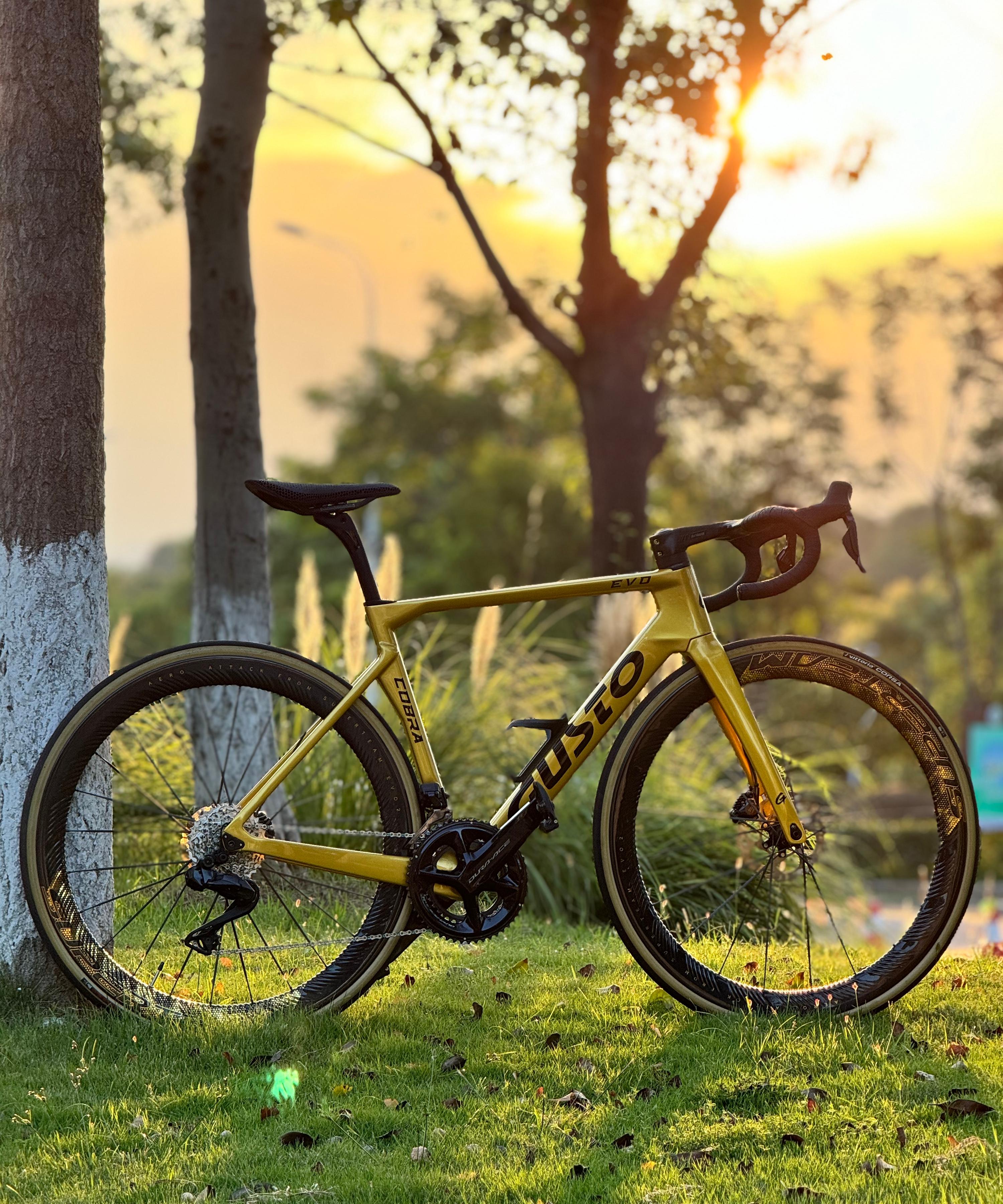
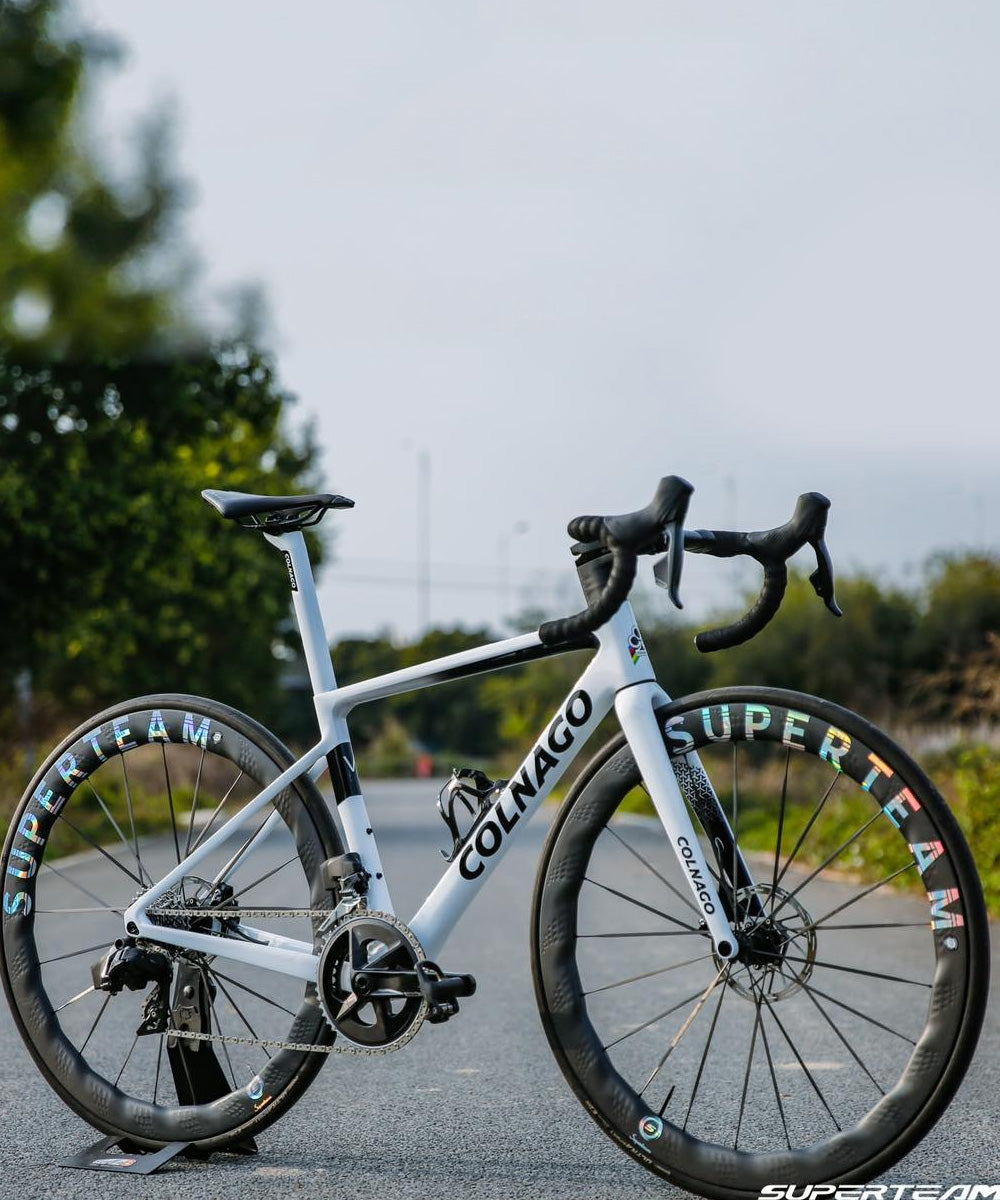
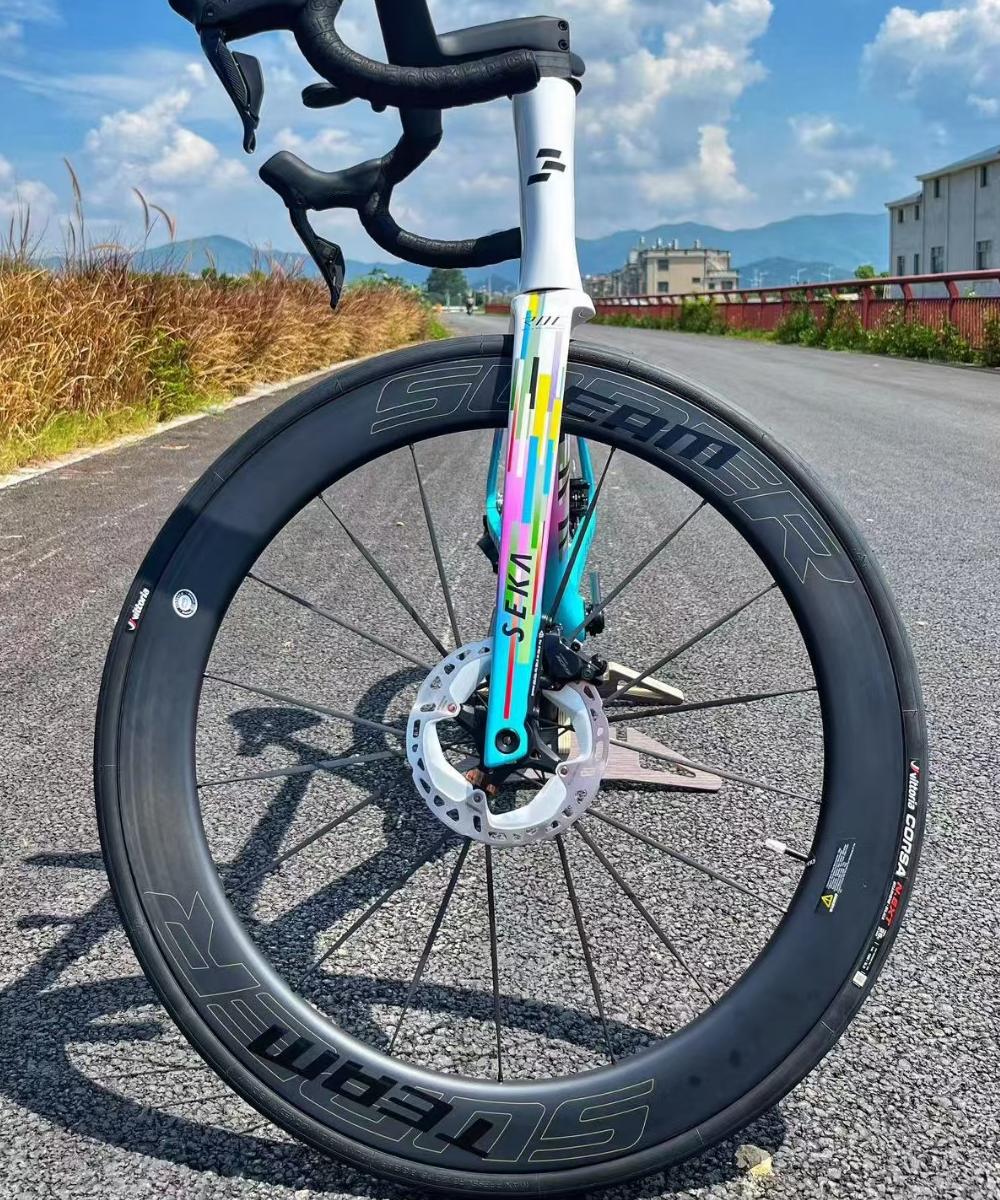
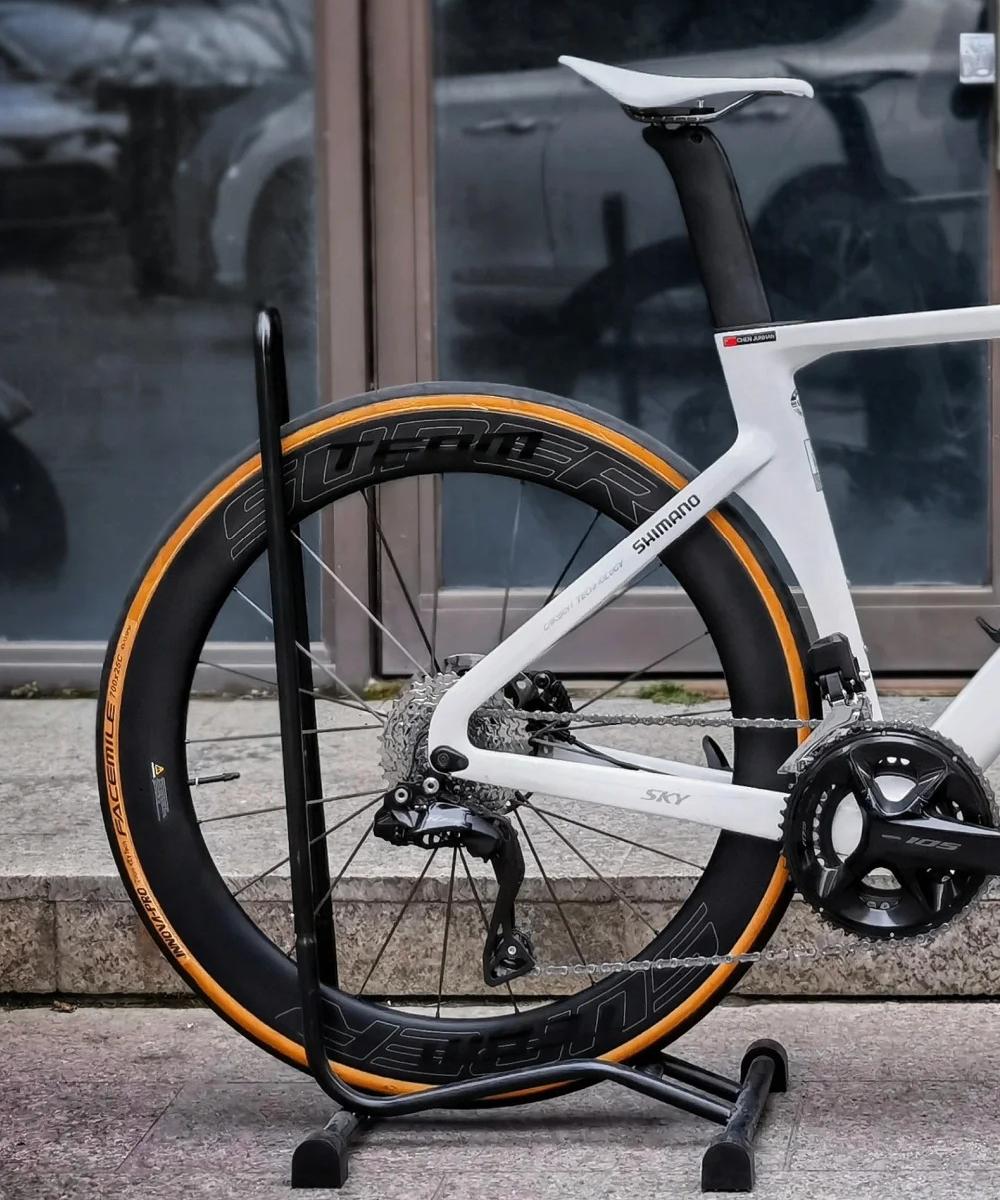
For many cyclists, upgrading to a new carbon wheelset is one of the most exciting milestones in their riding journey. The sleek look, the whooshing sound, the promise of speed — it all feels transformative. But beyond the tangible performance gains, there’s an often-overlooked factor at play: the psychology of wheel upgrades. Does spending big on new wheels actually make you faster, or just feel faster? Let’s explore both sides of this fascinating question.
1. The Placebo Effect of Performance Gear
Cycling, like many endurance sports, is as much mental as it is physical. When you install a new wheelset that’s marketed as lighter, stiffer, and more aerodynamic, your brain automatically associates it with improved performance.
That mental boost often translates into increased motivation and effort, even if the mechanical difference is marginal. You push harder in training rides, climb with more confidence, and sprint longer — all because you believe you’re faster.
In short: the placebo effect is real, and in cycling, it can actually help you ride better.
2. The Real-World Gains: Physics Meets Psychology
Of course, modern carbon wheels aren’t just psychological tricks. Aerodynamic profiles, reduced rotational weight, and stiffer builds can genuinely make a difference, especially at higher speeds.
But the psychological amplification of those physical gains is where things get interesting. For example:
A rider who feels more aero may adopt a lower, more efficient position.
A rider who believes their wheels accelerate faster might pedal more smoothly out of corners.
A rider who trusts their equipment often descends more aggressively and with better control.
So while the data might show a small wattage saving, the combined mental and mechanical boost can yield far greater results.
3. The Confidence Factor
Confidence is one of the most underrated “performance enhancers” in cycling. The right wheelset can change how a bike feels under you — more stable in crosswinds, more precise when cornering, more responsive on climbs.
That sense of control builds trust, and trust makes you faster. You no longer hesitate when cornering at speed or sprinting out of the saddle, because the bike feels like an extension of yourself.
4. The Risk of Overconfidence
However, there’s a flip side. Some riders fall into the trap of expecting too much from their upgrades. They assume a set of deep-section carbon wheels will magically transform their FTP or hill-climbing ability.
This can lead to frustration or even reckless riding. Equipment can’t replace training or proper pacing — it only enhances what’s already there. The key is to let your wheels inspire confidence without inflating expectations beyond reality.
5. Making the Most of the Upgrade
If you’ve invested in a new wheelset, here’s how to harness both the psychological and physical benefits:
Pair the upgrade with focused training. Use that excitement to commit to structured rides.
Pay attention to setup. Tire pressure, rotor alignment, and proper torque make a huge difference in how the wheels perform.
Document your rides. Tracking improvements helps distinguish real performance gains from perceived ones.
Ride with intention. Enjoy the mental boost — but remember, consistency is what truly makes you faster.
Conclusion
Upgrading to premium wheels is rarely just about speed. It’s about motivation, identity, and the feeling of progression as a cyclist. The truth? Yes — wheel upgrades can make you faster. But often, it’s not only the lighter rims or aero gains doing the work.
It’s the rider — newly inspired, more confident, and ready to ride harder than ever.