

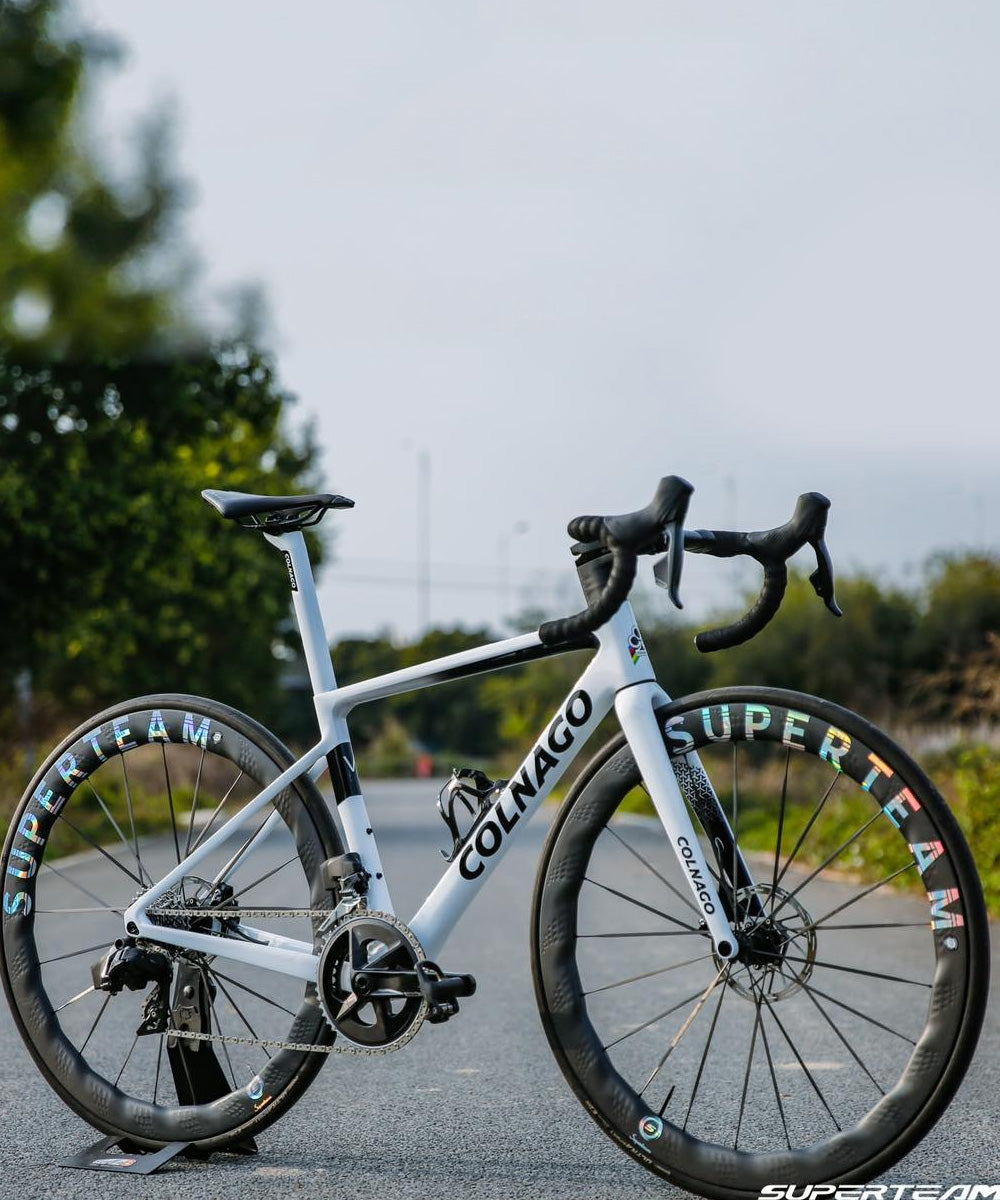


The Impact of Road Surface on Wheelset Longevity
Introduction: Why Road Surface Matters More Than You Think
When cyclists think about what affects wheelset durability, they often focus on weight, rider power, or weather—but one of the most overlooked factors is road surface quality. Whether you're riding on smooth tarmac, rough chipseal, cobbles, or broken pavement, the condition and texture of the road directly influence the wear and lifespan of your wheels.
This article explains how different road surfaces impact your wheelset's longevity, which components are most vulnerable, and how to extend the life of your wheels depending on where—and how—you ride.
1. Smooth Pavement: The Ideal Scenario
Typical Impact: Low
Surface Examples: City streets, race tracks, freshly paved roads
Smooth tarmac is the dream surface for any wheelset. On these roads:
Rim and hub wear is minimal
Spoke tension remains stable due to low vibrations
Bearings experience less shock load
Carbon rims and aero profiles perform optimally
Result: If you ride mostly on smooth roads, your wheelset—especially a carbon one—will likely last longer with minimal maintenance beyond normal servicing.
2. Rough Tarmac and Chipseal: The Silent Wheel Killers
Typical Impact: Moderate to High
Surface Examples: Rural roads, worn asphalt, chipseal surfaces
Rough surfaces introduce constant vibration and impact, which can:
Loosen spoke nipples and unbalance tension
Cause micro-fatigue in carbon rims
Introduce dust and grit into hub bearings, especially unsealed designs
Accelerate tire and rim sidewall wear
This environment is particularly taxing on lightweight wheelsets, where stiffness may amplify stress without adequate shock absorption.
Tip: Consider using slightly wider tires and running lower pressures to reduce impact stress on wheels.
3. Cobblestones and Broken Pavement: Extreme Conditions
Typical Impact: Very High
Surface Examples: Historic roads, mountain towns, urban decay areas
These surfaces can wreak havoc on even the strongest wheelsets:
Spokes are prone to fatigue or breakage due to high-frequency jolts
Carbon rims may develop delamination or cracks if impacts are severe
Hubs and freehub bodies face extreme loading and bearing compression
Tubeless systems may burp or lose sealant over time due to violent bouncing
This is why pro-level classics racing wheelsets are overbuilt for this kind of terrain with higher spoke counts, reinforced rims, and wider tire clearance.
4. Gravel and Unpaved Roads
Typical Impact: Moderate to High (depending on rider setup)
Surface Examples: Hard-packed gravel, loose over hard, washboard
Gravel riders benefit from modern carbon wheelsets designed for compliance, but:
Wide internal rim widths and hookless designs can still suffer if paired with wrong tire pressure
Stone strikes can chip carbon if there’s no protective layer or coating
Sealant exposure to dirt and dust may reduce tubeless reliability
Frequent lateral stress can affect wheel trueness over time
Tip: Select gravel-specific wheelsets with thicker carbon layups, reinforced spoke holes, and durable hub internals.
5. Urban Commuting: Mixed Challenges
Typical Impact: Moderate
Surface Examples: Potholes, curbs, train tracks
City roads are unpredictable, and the damage often comes from sudden, sharp impacts—especially hitting potholes at speed or climbing curbs. Common risks include:
Cracked rim edges or broken spokes
Flat spots on rims or internal spoke hole damage
Contaminants entering hub internals (like salt, road grime, or water)
Maintenance matters more in urban environments than the actual quality of the wheelset. Clean and inspect frequently.
Key Wheelset Components Affected by Poor Road Surfaces
|
Component |
Impacted By |
|
Rims |
Cracks, chips, fatigue, delamination |
|
Spokes |
Tension loss, breakage |
|
Hubs/Bearings |
Dirt ingress, wear, poor lubrication |
|
Nipples |
Corrosion, loosening from vibration |
|
Tires |
Sidewall damage, punctures |
How to Extend Wheelset Lifespan on Rough Roads
Choose the right wheels: Use gravel-rated or endurance-specific models on bad roads.
Run wider tires: Wider tires (28–32mm) at lower pressures cushion impact and protect wheels.
Regularly inspect spokes, nipples, and rim walls.
Service hubs every 3–6 months if riding frequently in wet or gritty environments.
Install tire inserts for tubeless setups to prevent rim strikes.
Clean your wheelset often, especially after rainy or muddy rides.
Conclusion: Know Your Roads, Know Your Wheels
Your wheelset is only as durable as the conditions you expose it to. While high-end carbon wheels are engineered for performance, their longevity is closely tied to road surface quality and rider care. Whether you're on pristine tarmac or dodging potholes in the city, understanding how the ground beneath you affects your wheels can help you make smarter choices—and ride longer with confidence.