


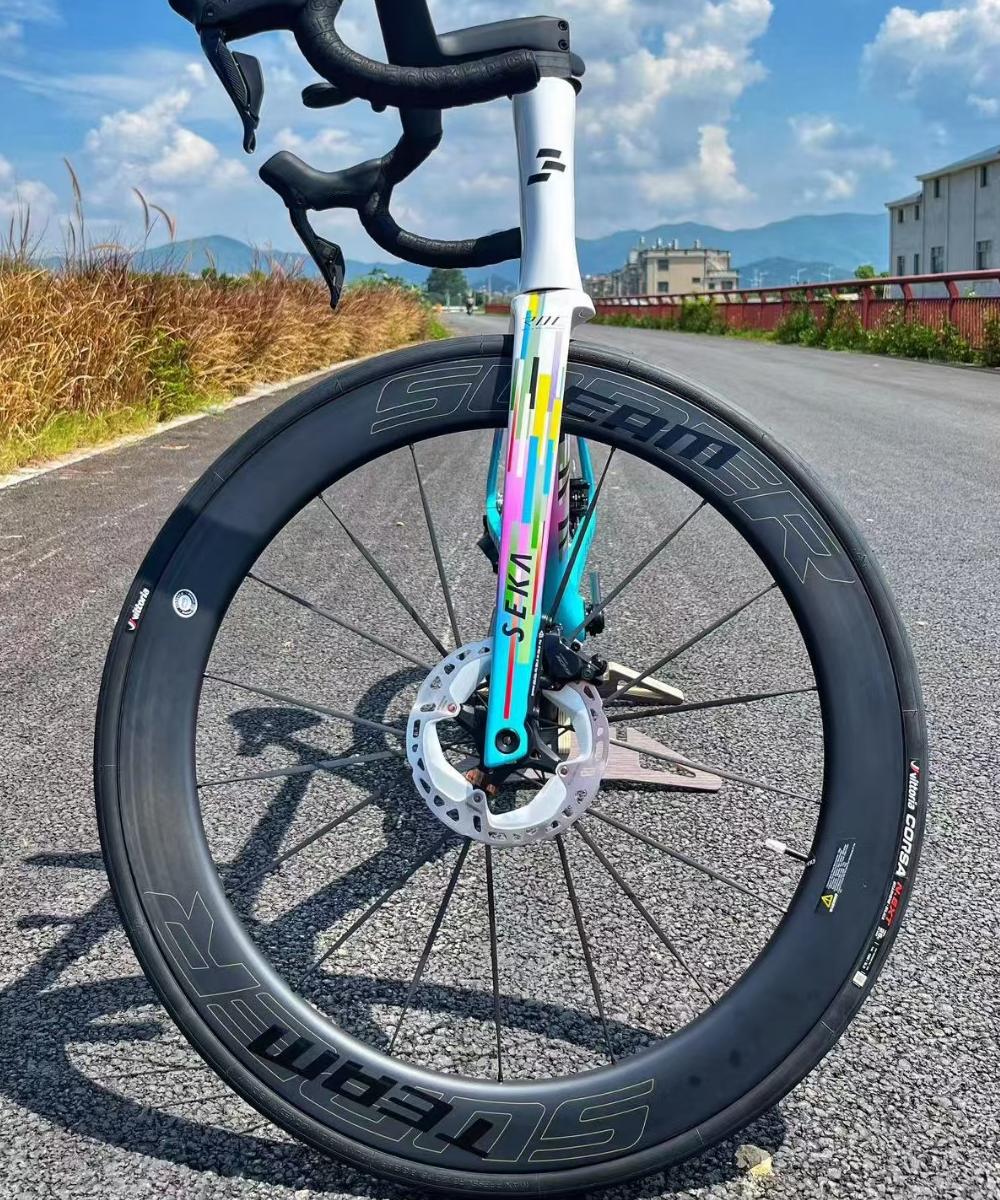

The Evolution of Hub Flange Designs and Their Impact
Hub flange design has undergone significant changes over the years, shaping the way wheels transfer power, maintain strength, and influence ride characteristics. Understanding these developments provides insight into why modern wheels perform the way they do.
Early Hub Designs
Traditional hubs featured low flanges with small diameters, primarily intended to reduce weight and simplify spoke lacing. While these hubs were sufficient for early bicycles, they offered limited lateral stiffness, which could affect power transfer and wheel durability under high loads.
High Flange Hubs
High flange hubs emerged as a solution to improve spoke bracing angles. By increasing the distance between the hub center and spoke attachment points, lateral stiffness improved, enhancing power transfer and reducing rim flex. These hubs became popular among track cyclists and riders prioritizing responsive handling.
Asymmetric and Modern Hub Designs
Modern hubs often combine asymmetric flange spacing or unique spoke hole placements to balance tension between drive and non-drive sides. This design reduces uneven spoke stress, improves wheel longevity, and ensures that wheels remain true longer, even under heavy loads or high torque.
Impact on Ride Quality
Hub flange geometry affects more than just stiffness. Wider or higher flanges can change wheel compliance and responsiveness, subtly influencing how energy is transmitted from rider to road. A well-designed flange setup allows efficient power transfer without compromising comfort, particularly on long rides or rough terrain.
Conclusion
The evolution of hub flange designs—from low to high, symmetric to asymmetric—has been driven by the need for optimized stiffness, durability, and power transfer. Today’s advanced hubs reflect decades of engineering refinements, giving riders wheels that are both stronger and more responsive across a wide range of cycling disciplines.