

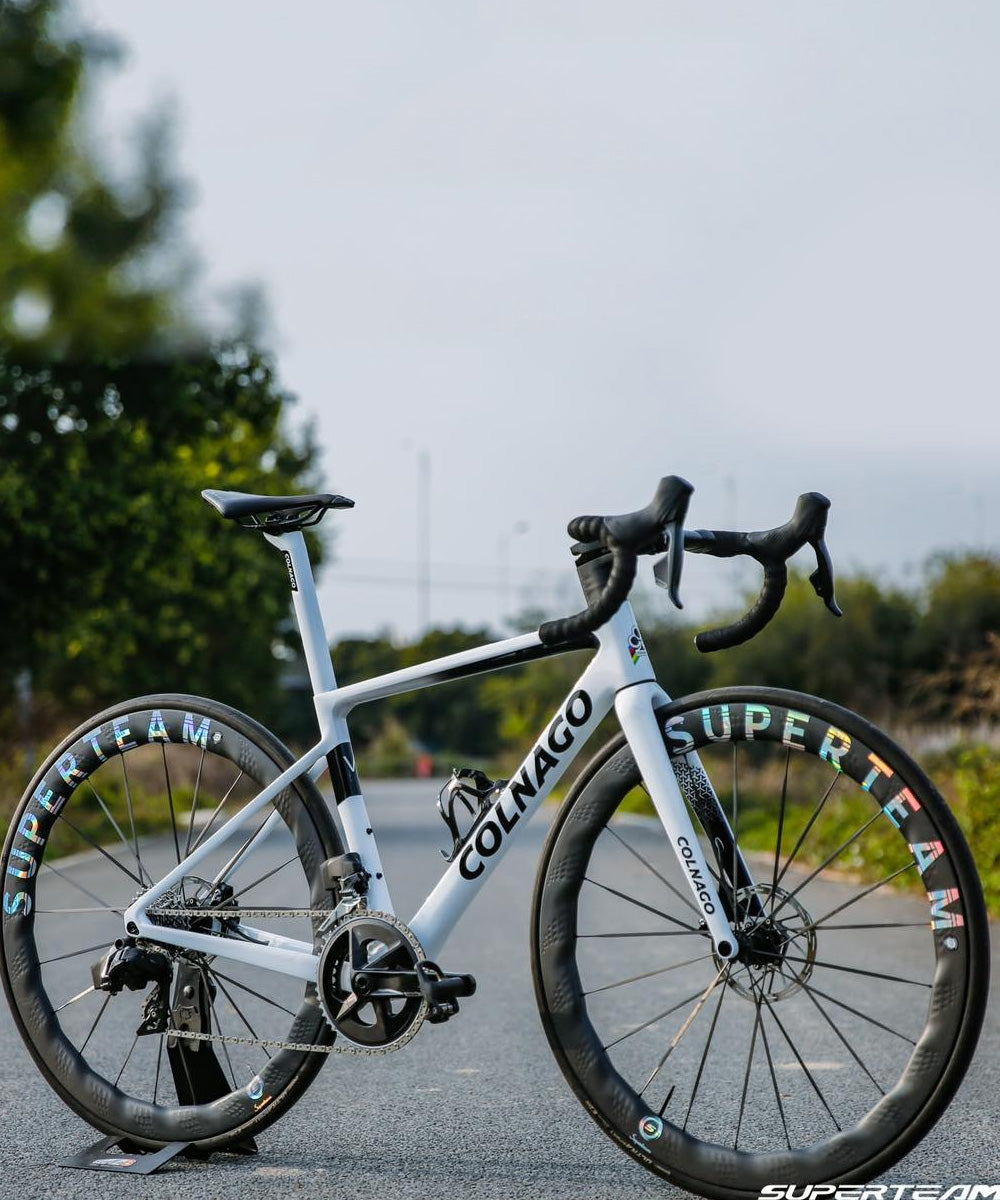


The Difference Between Stainless Steel and Alloy Bike Spokes
Choosing the right spoke material is more than just a matter of preference—it directly affects wheel durability, performance, and ride quality. While most spokes are made from stainless steel, some high-end wheels feature alloy alternatives. Understanding the differences helps cyclists select spokes that match their riding style, terrain, and performance goals.
Stainless steel spokes are the industry standard due to their excellent combination of strength, corrosion resistance, and flexibility. They can withstand repeated stress without permanently deforming, which makes them ideal for daily riding, touring, and rough-road conditions. Stainless steel’s natural elasticity helps absorb small shocks, contributing to a smoother ride while maintaining tension over time.
Alloy spokes, often made from materials like aluminum or titanium blends, offer advantages in weight reduction and stiffness. They are typically lighter than stainless steel, which can reduce rotational mass and improve acceleration and climbing performance. However, alloy spokes are generally less forgiving—they can fatigue more quickly under repeated stress, and sudden impacts may lead to cracks or breaks if the wheel isn’t designed to accommodate them.
The choice between stainless steel and alloy also affects wheel tuning and maintenance. Stainless steel spokes hold tension reliably, which simplifies wheel truing and reduces the risk of rapid spoke failure. Alloy spokes require more careful tension monitoring because uneven stress distribution or over-tightening can compromise the wheel’s integrity. Cyclists using alloy spokes often pair them with reinforced rims or specific lacing patterns to maintain longevity.
Ultimately, the decision comes down to a balance of priorities. Riders seeking durability, low maintenance, and resilience under varied conditions often choose stainless steel. Those focused on lightweight performance, racing efficiency, or maximizing climbing and sprinting speed may opt for alloy spokes, provided they accept the need for attentive maintenance. Understanding these material differences ensures that your wheelset performs reliably while matching your riding style and goals.