


The Difference Between Race-Day and Training Wheelset Setups
Every cyclist knows that the wheels you use can make or break your ride. But what works best for your daily training isn’t always ideal for race day. Understanding the difference between race-day and training wheelset setups is key to getting the most out of both performance and durability.
Training wheelsets are designed for consistency, strength, and practicality. They typically feature aluminum rims, higher spoke counts, and more robust hubs that can handle thousands of kilometers of wear and tear. These wheels prioritize reliability over weight savings or aerodynamics, making them perfect for long base miles, poor road conditions, and everyday use. Many riders also use slightly wider tires and lower pressures during training to improve comfort and reduce fatigue on longer rides.
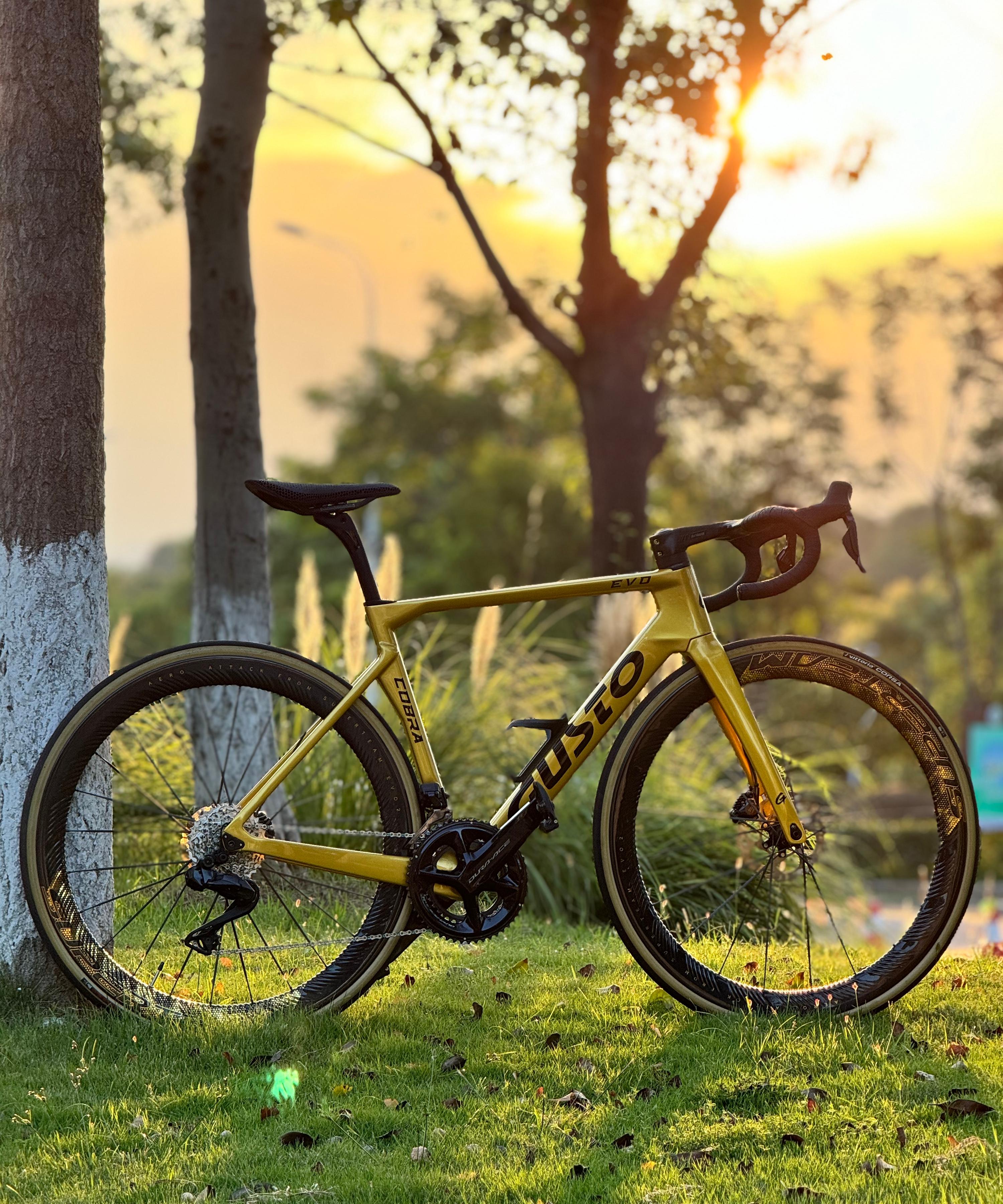
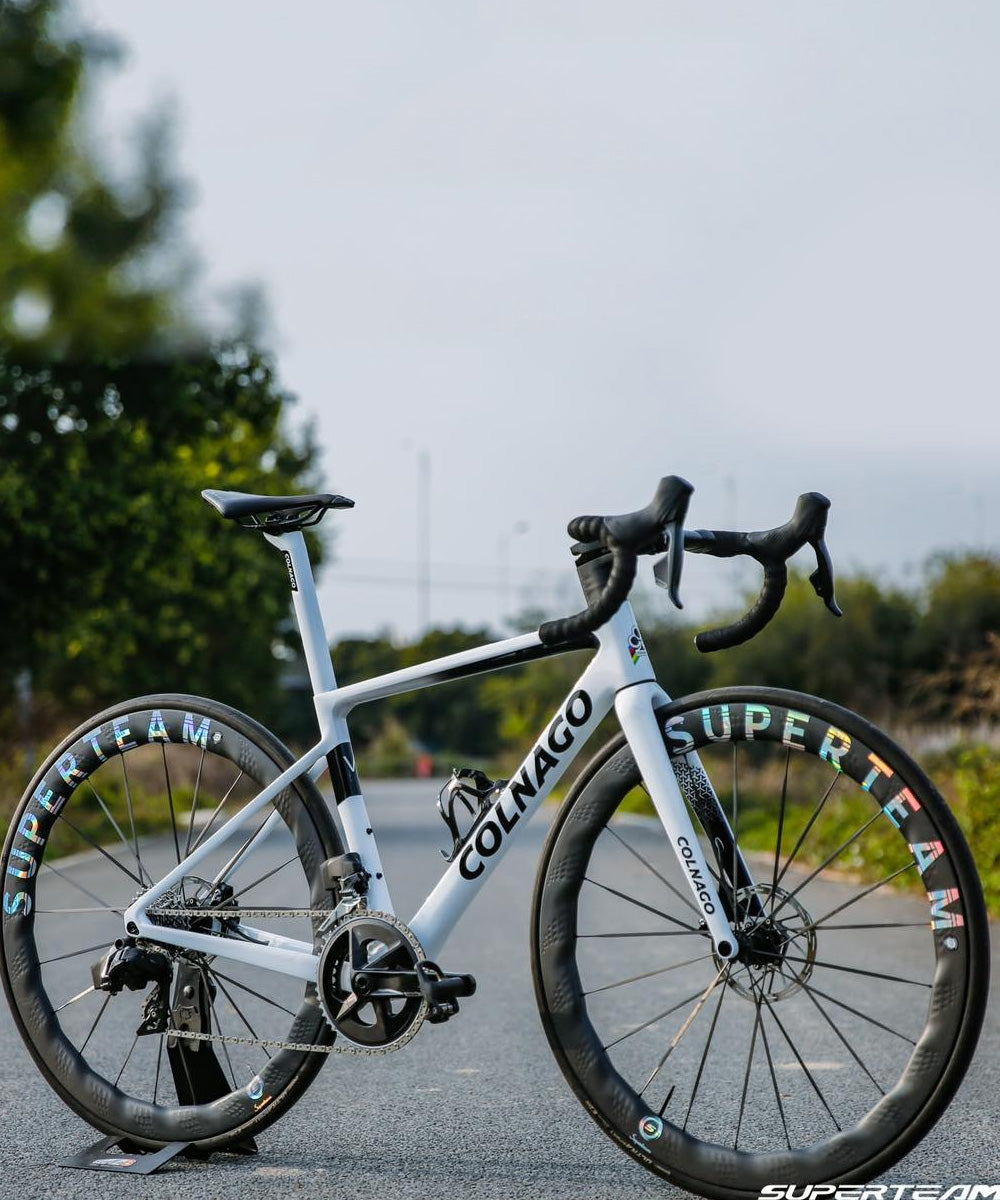
Race-day wheels, on the other hand, are all about maximizing performance. They are lighter, stiffer, and often built with carbon rims to improve aerodynamics and power transfer. Deep-section rims (50mm and above) are common in road races or time trials, where speed and reduced drag are essential. For hilly courses, lighter mid-depth or climbing-specific wheels offer the best balance of low weight and responsiveness.
The biggest difference lies in the trade-off between durability and efficiency. While training wheels can take daily abuse, race wheels are more delicate and should be reserved for competition or high-intensity efforts. Using race-day wheels exclusively for racing also helps preserve their bearings, brake tracks, and rim surfaces for when every second counts.
In summary, your training wheels are your workhorse—built to endure and prepare you for the grind—while your race-day setup is your finely tuned weapon, optimized for peak performance. Mastering both setups ensures you’re not just ready to race, but ready to win.