

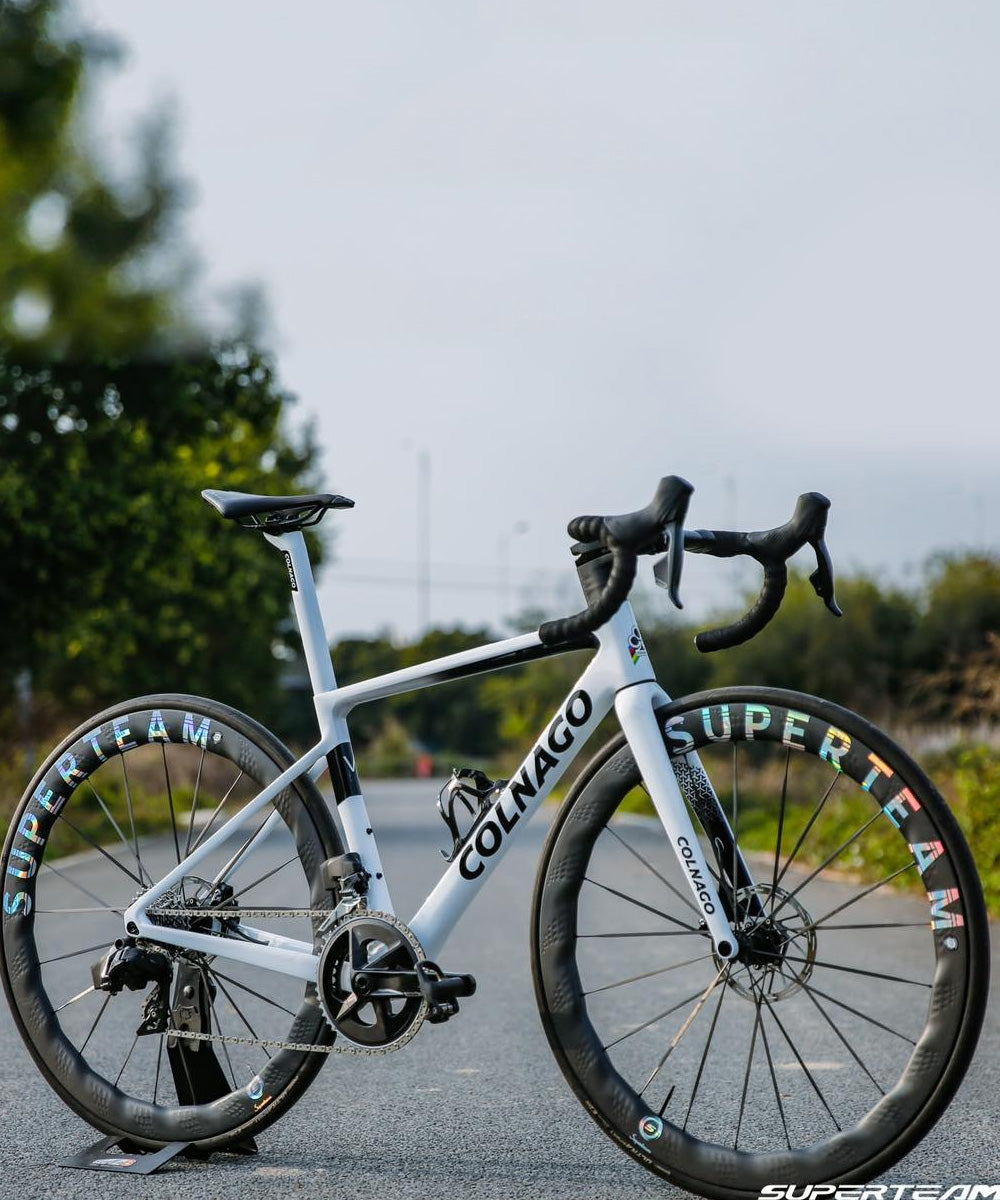


Sustainable Carbon Wheels: Recycling and Eco-Friendly Innovations
As the cycling industry grows, sustainability has become a key focus, even in high-performance carbon wheel manufacturing. While carbon fiber wheels are renowned for their lightweight strength, their environmental footprint has historically been a concern. Recent innovations, however, are beginning to address these challenges.
1. The Environmental Challenge of Carbon Wheels
Traditional carbon fiber production involves energy-intensive processes and epoxy resins that are difficult to recycle. End-of-life wheels often end up in landfills, contributing to waste and environmental impact. This has prompted both manufacturers and consumers to seek greener alternatives.
2. Emerging Recycling Methods
Mechanical Recycling: Old carbon wheels are shredded, and fibers are recovered to reinforce new composite materials. While the fibers may lose some strength, they can still be repurposed in non-structural components.
Chemical Recycling: Solvent-based processes can dissolve resins and recover higher-quality carbon fibers suitable for structural applications. This method is more complex but preserves more of the material’s original performance.
Hybrid Approaches: Some companies combine mechanical and chemical recycling to maximize fiber recovery while minimizing environmental impact.
3. Eco-Friendly Manufacturing Innovations
Bio-Resins: Researchers are developing epoxy alternatives derived from natural oils or other renewable sources, reducing reliance on petroleum-based chemicals.
Optimized Layup Techniques: Using less resin while maintaining strength reduces material consumption and waste.
Modular Wheel Designs: Some manufacturers design wheels with replaceable components, extending lifespan and reducing full-wheel disposal.
4. Industry Adoption and Impact
Several premium wheel brands have begun offering recycled carbon options or highlighting eco-friendly practices in marketing. While these solutions are still emerging, they signal a shift toward more responsible manufacturing in high-performance cycling. Consumers increasingly value sustainability, creating market incentives for innovation.
5. Conclusion
Sustainable carbon wheels are no longer just a concept—they are becoming a practical reality through recycling and eco-conscious manufacturing practices. While challenges remain, the combination of material innovation, recycling technologies, and modular design offers a promising path toward high-performance wheels that minimize environmental impact without compromising performance.