


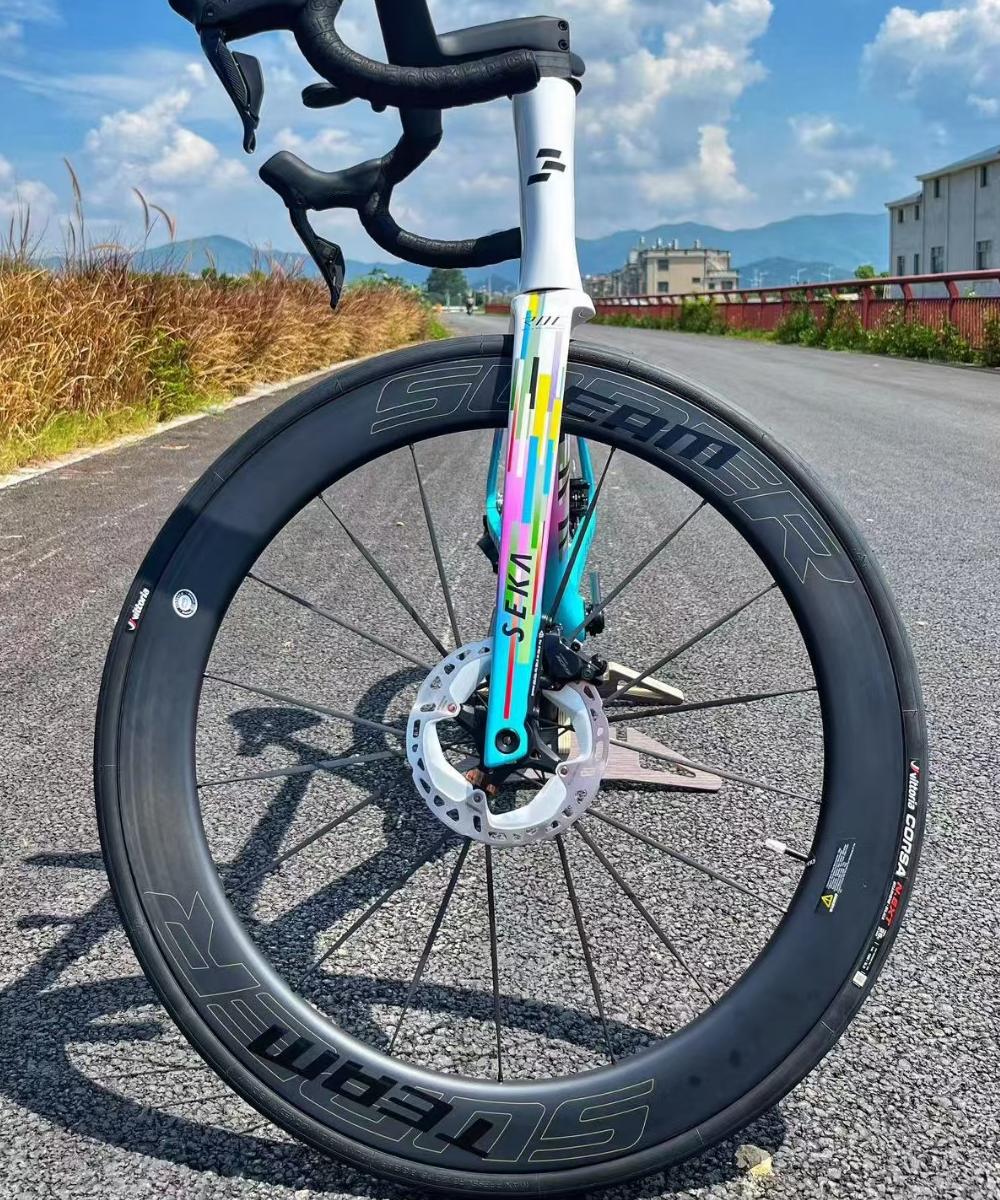

Spoke Tension Explained: How to Measure and Adjust It Correctly
Spoke tension is one of the most important — yet often misunderstood — factors that determine the performance, durability, and safety of a bike wheel. If the tension is too low, the wheel becomes soft, flexible, and prone to losing true. If it’s too high, spokes can break, nipples can seize, and rims may crack over time. This guide breaks down what spoke tension really means, how to measure it properly, and how to adjust it without damaging your wheel.
What Is Spoke Tension?
Spoke tension refers to the amount of pulling force applied by each spoke on the rim and hub. In a properly built wheel, tension should be:
High enough for stiffness and stability
Even across all spokes on the same side of the wheel
Matched to manufacturer recommendations
Uneven spoke tension is the #1 cause of wheels going out of true, pinging noises under load, and premature spoke or nipple failures.
Why Correct Spoke Tension Matters
1. Wheel Strength
Balanced tension distributes load evenly across all spokes, making the wheel strong enough for sprinting, climbing, or riding rough roads.
2. Durability
A wheel with correct tension stays true longer, reducing the frequency of maintenance.
3. Ride Quality
Higher and even tension creates a snappier, more responsive wheel feel; low tension leads to wobble and instability.
4. Safety
Extreme imbalance can eventually lead to rim cracks or sudden spoke failure.
Tools You Need to Measure Spoke Tension
To measure tension accurately, you’ll need:
Spoke Tension Meter
A handheld tool that measures spoke deflection and converts it into kgf (kilogram-force).
Conversion Chart
Usually included with the tension meter.
Spoke Wrench
Proper size for your wheel’s nipple type.
Truing Stand (optional but recommended)
Makes adjusting much easier and more accurate.
Recommended Spoke Tension Values
Typical target tensions:
|
Wheel Type |
Drive Side / Right Side |
Non-Drive Side / Left Side |
|
Road Rear Wheel |
110–130 kgf |
50–70 kgf |
|
Disc Brake Front Wheel |
100–120 kgf |
100–120 kgf |
|
Non-Disc Front Wheel |
90–110 kgf |
90–110 kgf |
|
Gravel / CX Wheels |
110–125 kgf |
50–70 kgf |
Always check rim manufacturer specifications—carbon rims often require tighter tension.
How to Measure Spoke Tension Correctly
Step 1: Calibrate Your Tension Meter
Most meters don’t need adjustment, but ensuring accuracy is important.
Step 2: Measure Multiple Spokes
Check at least:
6–10 spokes per side
Same side of the wheel (tension differs between DS and NDS)
Record each reading.
Step 3: Compare Readings Using the Chart
Use your meter’s conversion table to translate the reading into kgf.
Step 4: Check Tension Balance
For a healthy wheel:
Variation should be within ±20% on the same side
High-end carbon wheels aim for ±10%
If tension is all over the place, adjustments are necessary.
How to Adjust Spoke Tension Step-by-Step
1. Loosen or Tighten in Small Steps
Turn the nipple ⅛ to ¼ turn at a time — small adjustments go a long way.
2. Tighten (Clockwise) or Loosen (Counter-Clockwise)
Viewed from above the rim:
Clockwise = tighter
Counter-clockwise = looser
3. Maintain Wheel True While Adjusting
As you adjust tension:
Check lateral true (side to side)
Check radial true (up and down)
Check dish (center alignment)
4. Balance Before Reaching Final Tension
Bring all spokes on each side to similar tension before tightening to the final kgf.
5. Stress-Relieve the Wheel
Squeeze parallel spokes together to release wind-up or internal stress.
Re-check tension afterward.
Common Mistakes to Avoid
Over-tightening spokes
Causes rim cracks, nipple damage, or an uneven dish.
Adjusting only one spoke to fix a wobble
Leads to tension imbalance.
Using the wrong spoke wrench.
Round nipples quickly.
Mixing up DS and NDS tension
They are not supposed to match.
Signs Your Spoke Tension Is Incorrect
The wheel wobbles during high-speed riding
Pinging or clicking noises under power
Frequent speaking loosens
Nipple heads cracking
The rim begins to deform or crack near spoke holes
Correct tensioning eliminates almost all of these issues.
Final Thoughts
Understanding spoke tension—and how to measure and adjust it—will dramatically improve the performance and lifespan of your wheels. Whether you're maintaining a high-end carbon wheelset or tuning a gravel wheel for durability, correct tension is the foundation of a strong and reliable build.
If you pair tension measurement with regular truing and periodic spoke checks, your wheelset will stay fast, stiff, and trouble-free for thousands of kilometers.