


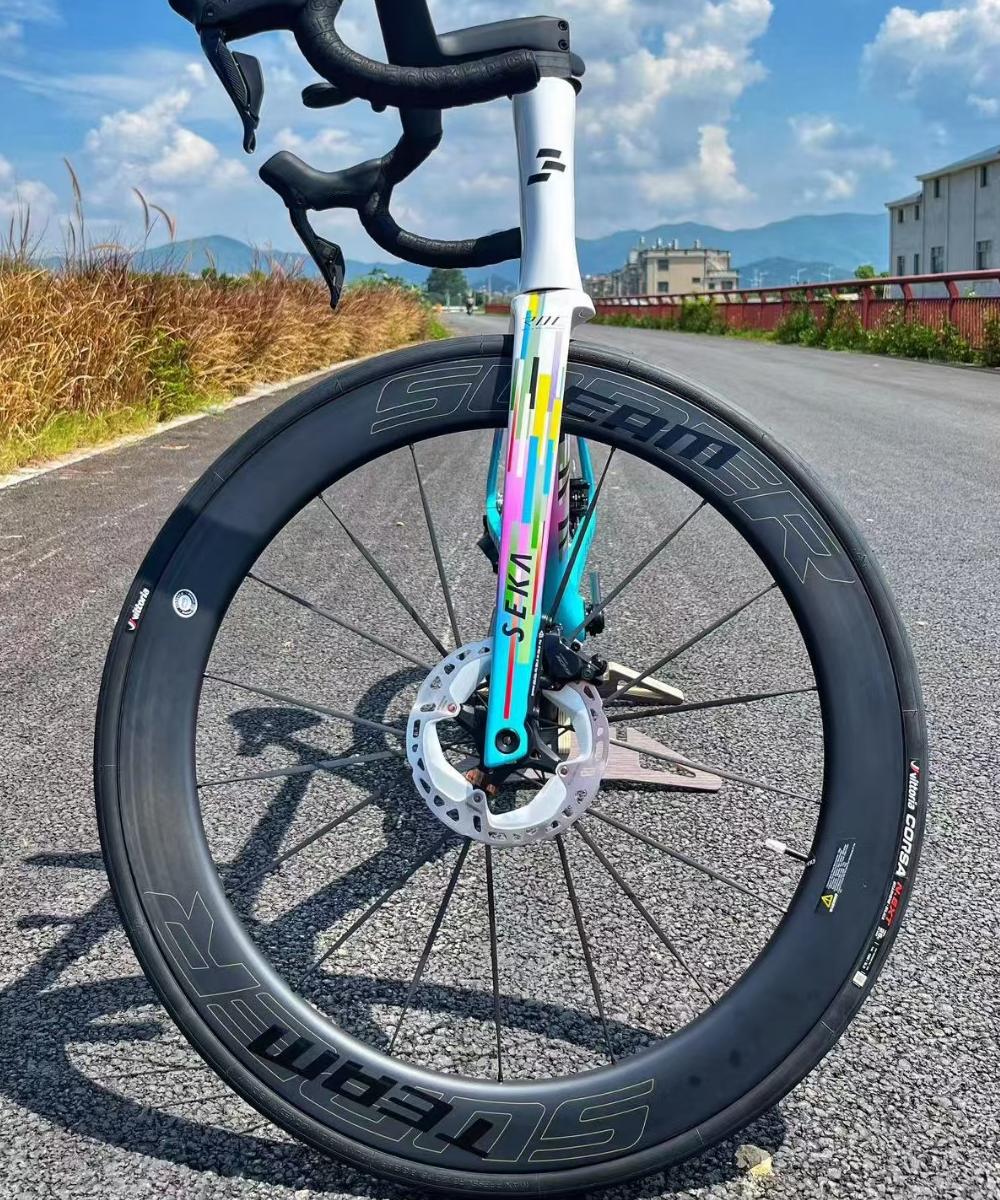

Road Cycling Rims Width Explained: 19mm vs 21mm vs 25mm Internal
Rim width has become one of the most important factors in modern wheelset design, especially as riders shift toward wider tires and tubeless setups. Internal rim width—the distance between the bead hooks inside the rim—directly affects tire shape, handling, comfort, rolling efficiency, and overall ride feel. For road cyclists choosing between 19mm, 21mm, and 25mm internal road cycling rims, understanding these differences helps ensure the best performance for your riding style and preferred tire setup.
A 19mm internal road cycling rim is considered traditional and works best with 23–28mm tires. On these rims, the tire maintains a round profile, which can improve agility and light handling. Riders who prefer classic narrow tire setups, race-oriented responsiveness, or minimal weight may still find 19mm rims appealing. However, with the modern trend toward 28mm and wider tires, 19mm rims offer less support and can allow the tire to flex more under cornering loads.
A 21mm internal road cycling rim sits at the modern standard for performance and all-around road setups. It pairs perfectly with 25–30mm tires, keeping the tire stable and better supported at low pressures. This improves cornering confidence, braking stability, and vibration control. Many everyday riders and endurance cyclists choose 21mm rims because they offer a balanced blend of comfort, speed, and predictable handling. For riders who want an upgrade that feels instantly more stable without making the bike feel sluggish, 21mm rims are an ideal middle ground.
A 25mm internal road cycling rim represents the new generation of wide-format road cycling rims targeted toward high-volume tires. Designed for 28–32mm or even 35mm road and all-road tires, these rims create a more squared-off tire profile that increases contact patch and improves grip. Wider rims also allow riders to run lower pressures without losing stability, which enhances comfort and reduces rolling resistance on rough pavement. Riders tackling long endurance rides, mixed surfaces, or demanding descents will notice the improved control immediately. While 25mm rims provide exceptional comfort and stability, they may feel less nimble and can add a bit of weight compared to narrow options.
Tire performance changes with internal rim width because the rim dictates how the tire spreads under load. Wider rims generally improve rolling efficiency and cornering support, but they also require wider tires to function properly. Using tires that are too narrow for the rim can compromise safety and ride feel. As a guideline: 19mm rims excel with 23–28mm tires, 21mm rims with 25–30mm tires, and 25mm rims with 28–32mm tires.
For most modern road cyclists, 21mm internal road cycling rims deliver the best all-around performance on typical pavement, offering a stable, comfortable ride without excess weight. Riders who want maximum versatility, tubeless confidence, and wider-tire performance should consider 25mm rims. Meanwhile, those seeking a classic race feel and lightweight responsiveness may still prefer 19mm rims.
Choosing the right internal width ultimately comes down to the type of riding you do and the tires you prefer. Matching your rim width to your riding style ensures you get the best blend of comfort, control, and efficiency on every ride.