
Riding in Variable Wind Conditions: Wheel Setup Tips
Wind is one of the most unpredictable factors cyclists face, and variable conditions can make wheel choice and setup especially important. Selecting the right wheel configuration can improve stability, efficiency, and confidence when the wind shifts unexpectedly.
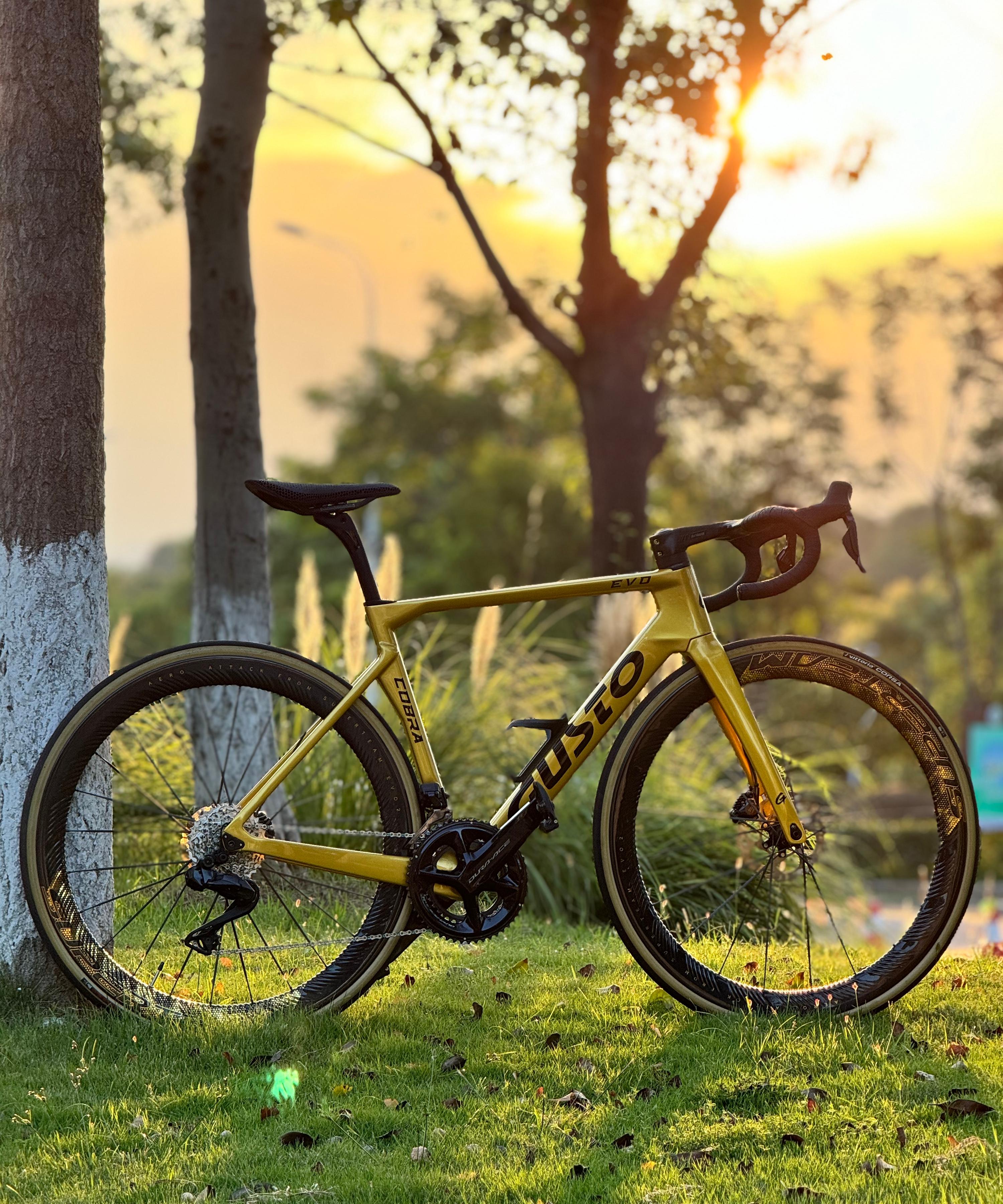
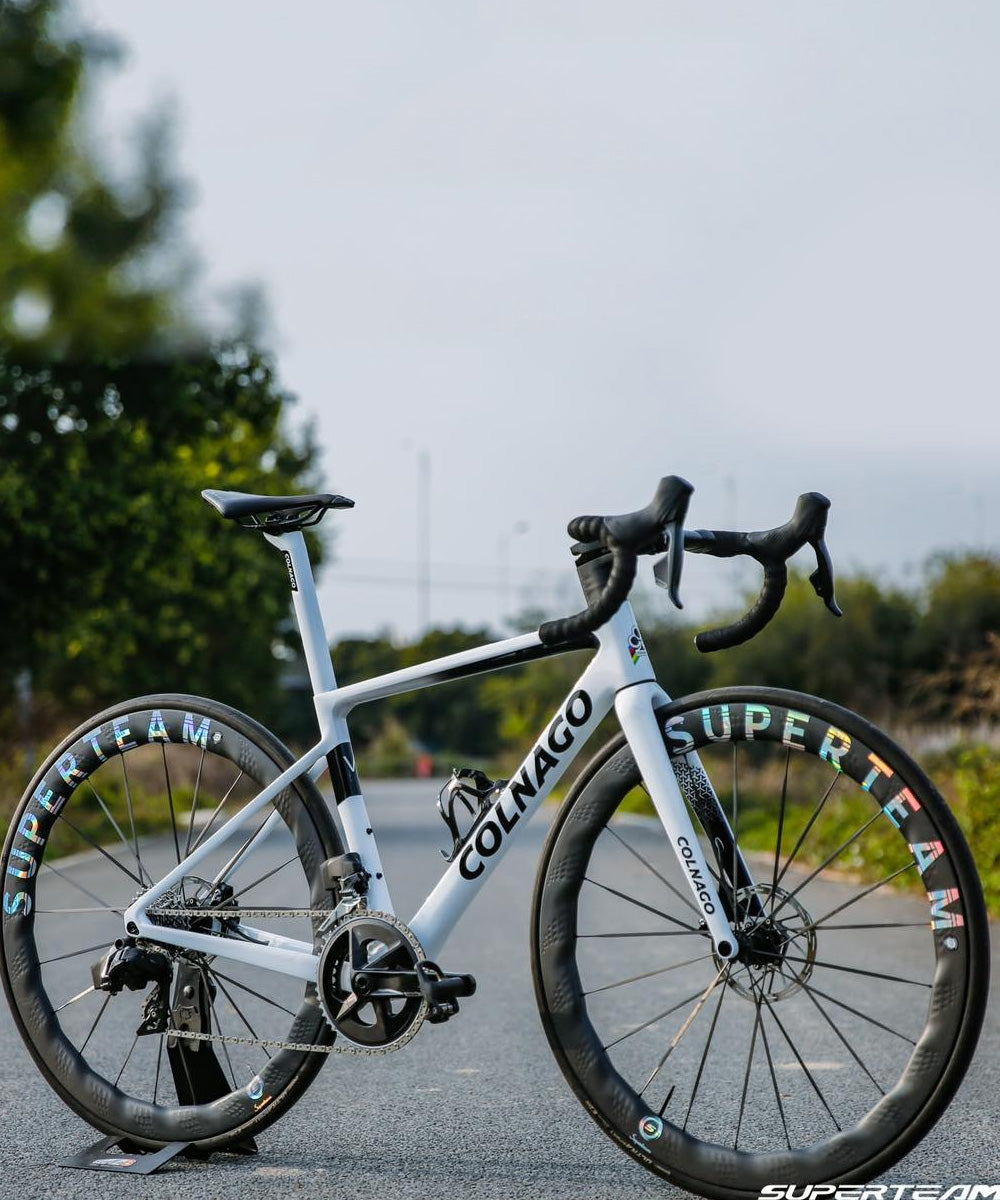
Deep-section rims offer aerodynamic benefits in steady headwinds, but they can become difficult to control in gusty or crosswind conditions. Riders who frequently face unpredictable winds may find mid-depth rims—typically in the 40–50mm range—a better balance between aero gains and handling stability. Shallow rims, while less aerodynamic, remain the easiest to manage in crosswinds, making them a safe choice for riders prioritizing control over speed.
Rim width also plays a role. Wider rims paired with wider tires provide a more stable footprint, which can improve control in blustery conditions. This combination reduces the tendency for the bike to feel twitchy when hit by side gusts. Matching tire width properly to rim profile is critical for both aerodynamics and safety.
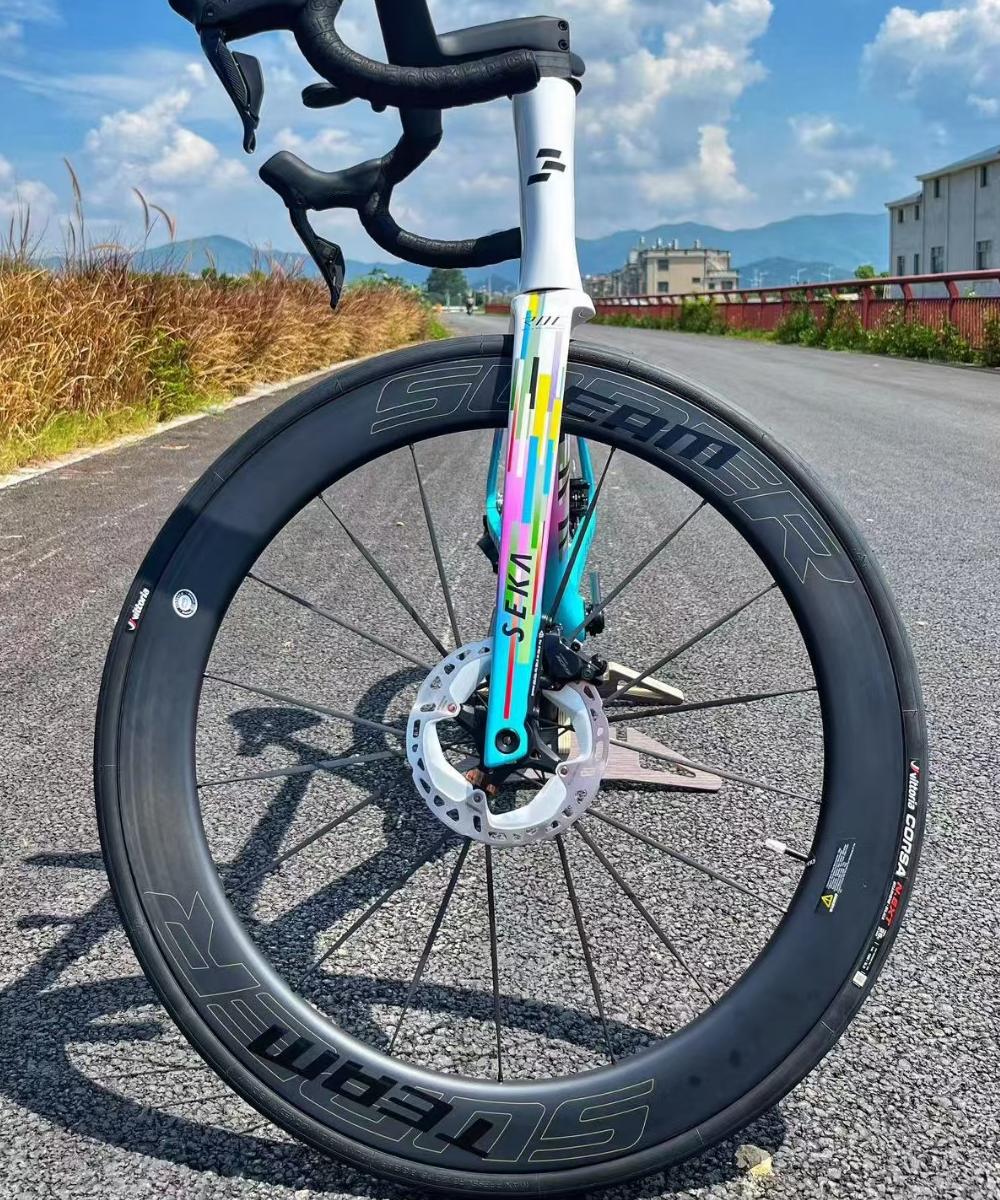
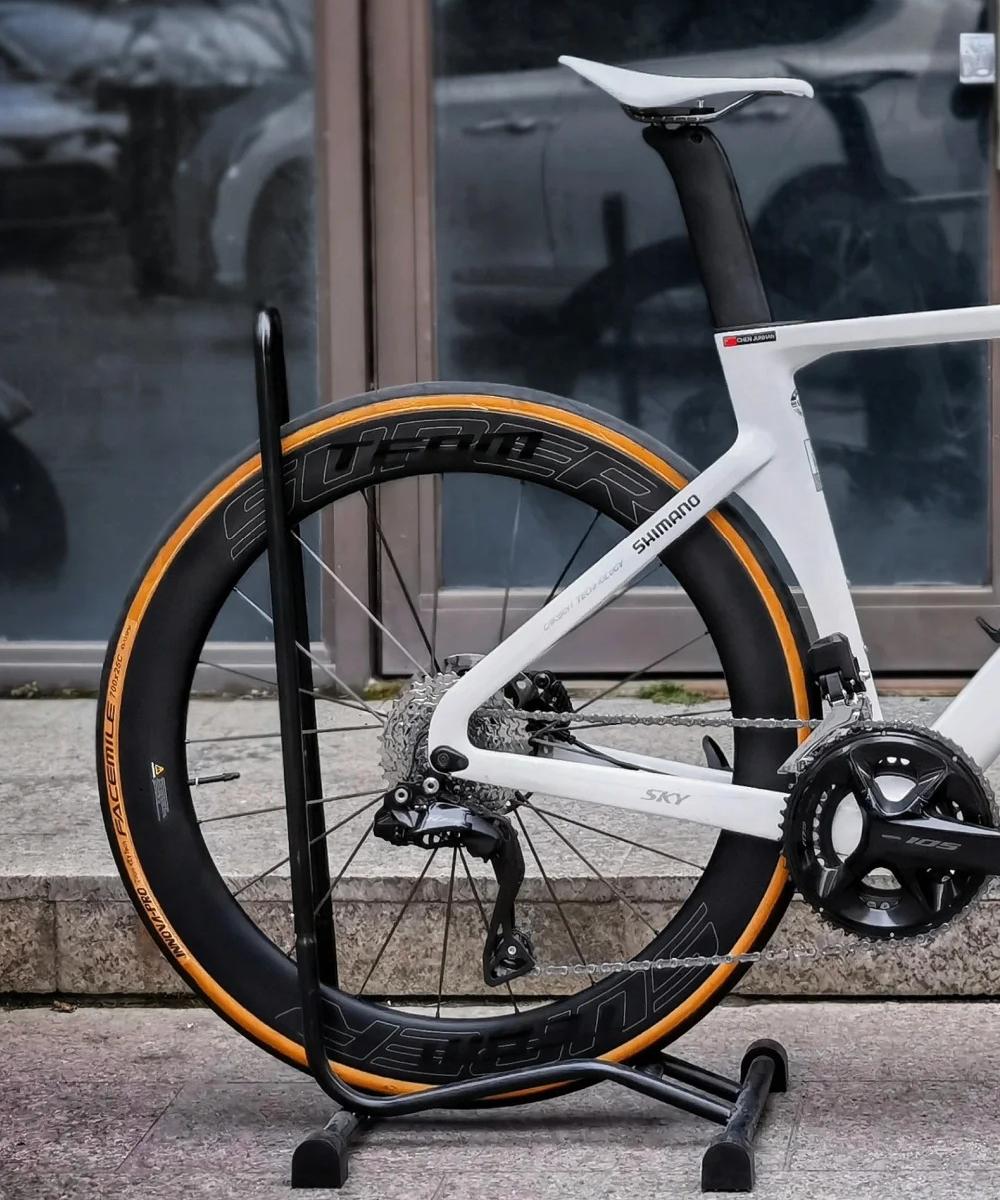
Another key factor is front vs rear wheel choice. The front wheel is more exposed to crosswinds and influences handling the most, while the rear wheel remains more stable. Riders can benefit from using a shallower front rim for control and a deeper rear rim for aero efficiency, creating a balanced setup that handles variable wind better.
Finally, rider positioning complements wheel setup. Lowering the torso, relaxing the grip on the bars, and keeping the bike steady with small core adjustments can help manage sudden gusts. A well-chosen wheelset can reduce wind’s impact, but rider technique remains the final layer of control.
In variable wind conditions, the goal is to strike a balance between aerodynamics and handling. By selecting the right rim depth, width, and front-rear combination, cyclists can ride with more confidence and efficiency, no matter how unpredictable the weather becomes.