

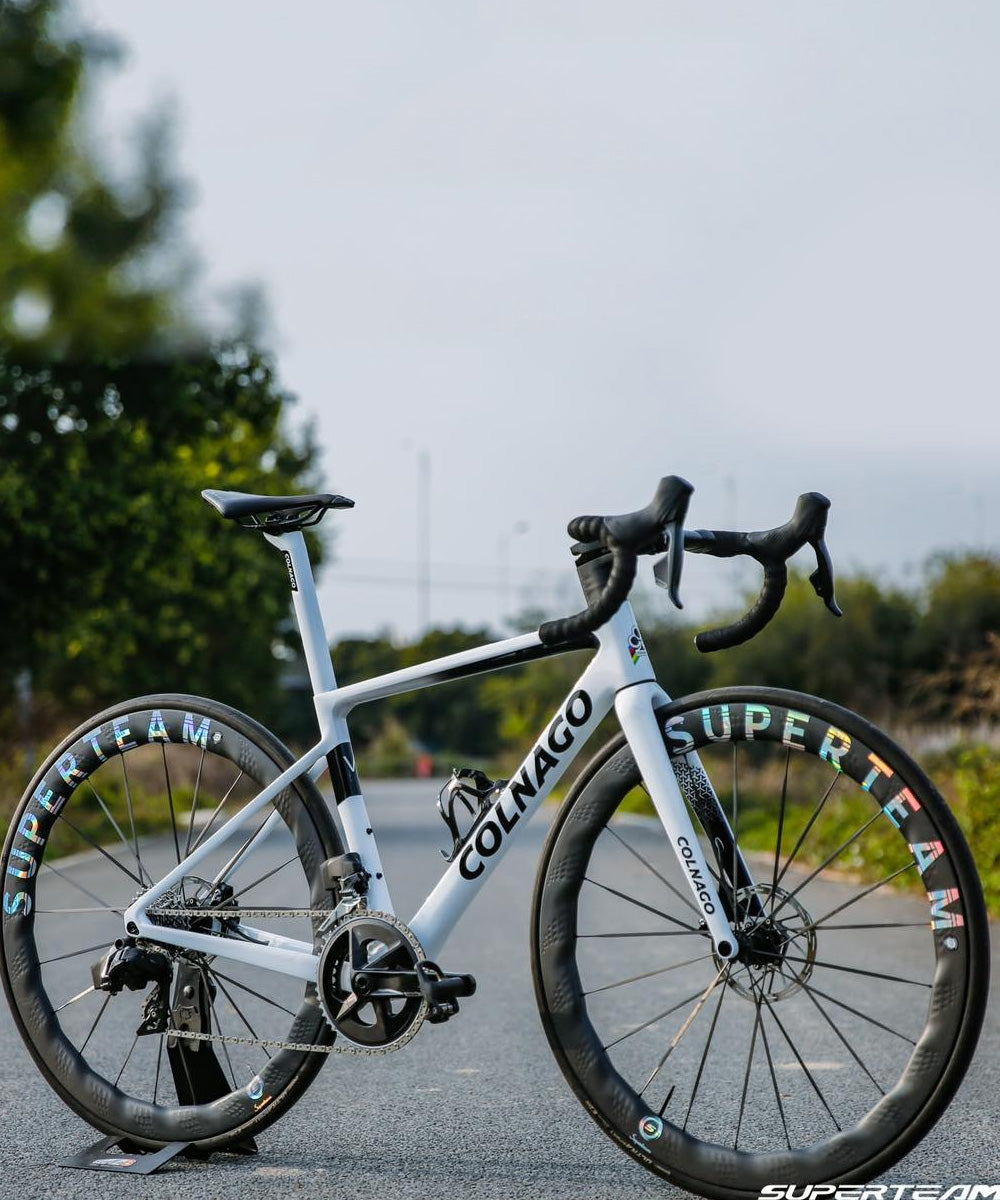


Long-Distance Ride Review: 700c Road Cycling Rims on Mixed Terrain
Long-distance riding puts every part of a bike to the test, and few components influence the overall experience as much as the wheelset. When taking 700c road cycling rims onto mixed terrain—smooth tarmac, rough asphalt, gravel connectors, and rolling countryside roads—the differences in stability, comfort, and performance quickly become clear. A long-distance mixed-terrain ride is the perfect scenario to evaluate how well modern 700c rims adapt beyond smooth pavement.
One of the first impressions from riding 700c rims on varied surfaces is the improved stability that comes from their larger diameter. The 700c size rolls more smoothly over cracks, small rocks, and uneven patches, reducing the constant micro-bumps that can fatigue the rider over several hours. This natural rolling efficiency helps maintain speed while keeping the ride comfortable, especially when paired with wider tires that are now commonly used with disc brake–optimized rims.
On smooth road sections, 700c rims hold speed exceptionally well. The greater momentum and balanced rotational weight provide a consistent cruising sensation, making long stretches of tarmac feel effortless. Riders often find that they can maintain a steady pace with less energy expenditure compared to smaller or heavier wheel options. When climbing, lightweight 700c setups respond crisply, especially during steady gradients where smooth acceleration matters more than explosive power.
Moving onto rougher surfaces, the design of modern 700c rims becomes even more noticeable. Wider internal widths allow the use of lower tire pressures, giving the bike extra grip and vibration damping on gravel and broken pavement. Instead of skittering across loose sections, the wheels track more confidently, helping the rider stay relaxed and in control. This ability to float across mixed terrain without excessive feedback is one of the biggest advantages of newer rim designs.
Cornering stability is another highlight. With proper tire pairing, 700c rims offer a planted feel through sweeping or technical bends. This stability makes descending more predictable, even when the terrain shifts from smooth to uneven mid-corner. Long-distance rides often include unpredictable surfaces, and the ability of the wheels to remain composed contributes significantly to rider confidence.
On long descents, heat dissipation and braking feel are greatly improved when using disc brake–specific 700c rims. Since the rim itself isn’t subject to brake-induced heat, its structure stays more consistent, reducing the chance of deformation or unpredictable handling. For endurance riders tackling mountain routes or rolling high-speed terrain, this is a major advantage.
Over many hours on mixed terrain, durability also becomes a factor. Modern 700c rims, built with reinforced carbon layups or robust alloy construction, handle repeated impacts, vibrations, and side loads without losing true. This reliability gives riders peace of mind, knowing the wheels can handle unexpected sections without compromising performance.
In conclusion, 700c road cycling rims excel on long-distance mixed-terrain rides by offering excellent speed retention, enhanced comfort, improved cornering stability, and reliable braking performance. Their ability to smooth out rough surfaces while maintaining high efficiency makes them an ideal choice for endurance cyclists, adventurers, and anyone who wants a wheelset capable of handling the wide variety of surfaces found on real-world rides.