
How Winter Temperatures Affect Braking Performance
Temperature Changes the Entire Braking System
Braking performance is not determined by a single component. In winter conditions, temperature affects pads, rotors, rims, tires, hydraulic fluids, and even rider input at the same time. The combined effect often surprises riders who expect braking to behave the same year-round.
Cold reduces system consistency.
Brake Pad Compound Behavior
Most brake pads are formulated to work optimally within a moderate temperature range. As temperatures drop, pad materials become harder, reducing initial bite. This is especially noticeable during the first few braking applications of a ride.
Cold pads need more force to engage.
Rotor Friction in Low Temperatures
Steel rotors maintain structural integrity in the cold, but friction coefficients change slightly at low temperatures. Early braking may feel weak until some heat is generated at the pad-rotor interface.
Warmth restores predictability.
Hydraulic Response and Fluid Viscosity
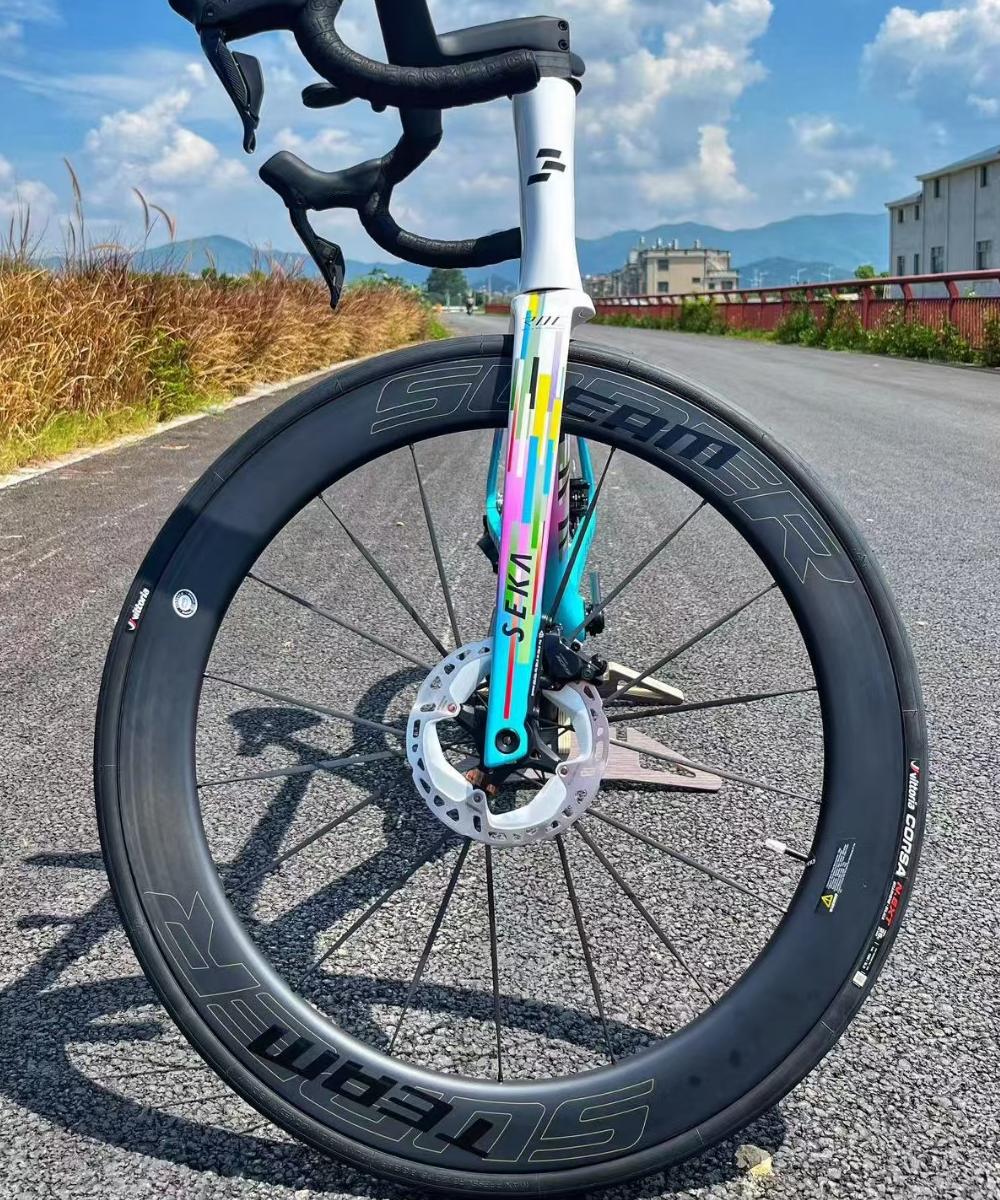
Brake fluid thickens in cold conditions. While modern hydraulic systems are sealed, increased viscosity can slightly slow piston response and affect lever feel, particularly at very low temperatures.
Feel changes before power does.
Carbon Rim Brake Limitations
For rim brake systems, cold weather amplifies existing limitations. Reduced friction between the pad and the carbon brake track increases stopping distances, especially in damp or near-freezing conditions.
Cold highlights rim brake weaknesses.
Cable and Mechanical Systems
Mechanical disc brakes and cable-actuated systems are affected by housing stiffness and lubricant thickening. Cable drag increases, leading to inconsistent lever return and reduced modulation.
Maintenance matters more in winter.
Tire Grip as the Limiting Factor
Even if braking hardware performs well, tire grip ultimately limits stopping power. Cold rubber compounds provide less traction, making wheel lock-up more likely under hard braking.
Grip defines the ceiling.
Modulation and Control Challenges
Reduced grip and altered brake feel make fine modulation harder. Small increases in lever force can lead to abrupt traction loss, especially on cold, smooth asphalt.
Smooth input is critical.
Heat Build-Up on Long Descents
In winter, it takes longer for braking systems to reach stable operating temperatures. This can result in an inconsistent feel early in long descents before heat builds evenly.
Consistency improves with time.
Rider Perception and Reaction Time
Cold hands reduce sensitivity and control at the lever. Slower reaction times further increase effective stopping distance, independent of mechanical braking capability.
The rider is part of the system.
Practical Adjustments for Winter
Fresh brake pads, perfectly aligned calipers, clean rotors, and slightly reduced speeds help compensate for winter braking changes. Expecting longer stopping distances is essential.
Preparation replaces confidence.
Conclusion
Winter temperatures affect braking performance through changes in materials, fluids, grip, and rider input. Understanding these effects allows cyclists to adapt technique and setup, improving safety when conditions turn cold.