

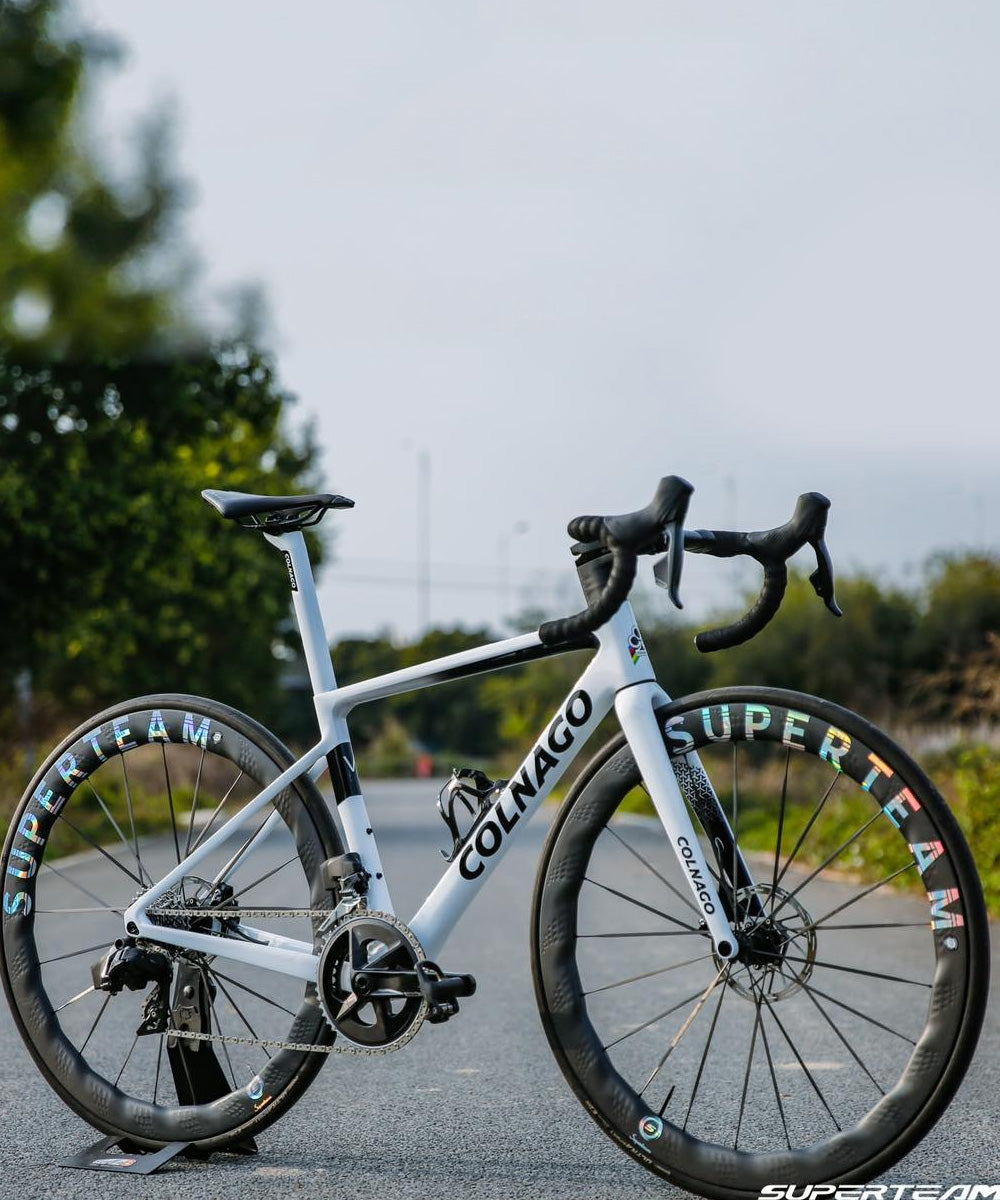


How to Spot Early Signs of Wheel Damage Before It’s Too Late
Every cyclist, whether amateur or professional, knows that wheels are the foundation of performance, comfort, and safety. Yet, many riders overlook subtle warning signs that a wheel might be developing problems—until it’s too late. Detecting early signs of wheel damage not only saves you from costly repairs but can also prevent dangerous failures on the road. Here’s how to recognize the issues before they escalate.
1. Listen for Unusual Noises
A healthy wheel runs smoothly and quietly. If you start hearing creaks, clicks, or grinding sounds, it could indicate loose spokes, worn bearings, or even a developing crack in the rim or hub shell. Always take these noises seriously—carbon rims in particular can fail suddenly if internal layers are compromised.
2. Inspect the Rim Surface Regularly
Examine your rims closely after long rides or races, especially if you’ve hit potholes or debris. Look for small cracks, bulges, or delamination on carbon rims. With aluminum rims, check for dents or brake track wear. Catching these signs early can mean the difference between a quick service and a total wheel replacement.
3. Feel for Brake Pulsation or Vibration
If your braking feels uneven or you experience pulsing at the levers, it’s a clue that your rim may be uneven or warped. For carbon wheels, it might also suggest heat damage from prolonged braking on descents. Addressing this early ensures braking consistency and prevents long-term structural damage.
4. Check Spoke Tension and Wheel Trueness
A wheel that wobbles or drifts side-to-side when spinning likely has spoke tension imbalance or damage at the spoke holes. You can check this visually or by gently squeezing paired spokes to feel for uneven resistance. A timely wheel truing session can restore performance and prevent further stress fractures.
5. Examine Hub and Bearing Play
Hold your wheel by the rim and gently rock it side to side. Any lateral play or looseness at the hub indicates worn bearings or an improperly torqued axle. Neglecting this can lead to uneven wear and poor alignment, both of which accelerate damage.
6. Pay Attention After Impacts
Even minor crashes or hard curb hits can cause hidden carbon fiber fractures. If your wheel feels “off” afterward—less stiff, or slightly vibrating under load—have it inspected by a professional. Carbon damage isn’t always visible but can worsen quickly with continued riding.
Conclusion
Wheel damage often starts subtly—tiny cracks, uneven tension, or mild vibrations that seem harmless at first. By staying alert and performing regular visual and tactile inspections, you can catch early signs before they lead to catastrophic failure. Remember: prevention is far cheaper—and safer—than replacement. Treat your wheels with the same care you give your training, and they’ll return the favor mile after mile.