

How to Separate Placebo from Performance Using Tools
Why Placebos Are Common in Cycling Upgrades
Cycling performance is highly sensitive to expectation. New wheels, tires, or components often feel faster simply because the rider expects improvement. This placebo effect is reinforced by marketing language, visual changes, and short test rides.
Tools help distinguish perception from measurable change.
Defining Real Performance
True performance improvements show consistent, repeatable differences under controlled conditions. These differences appear in speed, power efficiency, vibration, or stability data rather than in isolated ride impressions.
Consistency matters more than magnitude.
Using Power Data to Remove Bias
Power meters are one of the most effective tools for separating placebo from performance. Riding the same route at a fixed power output allows direct comparison of average speed and time.
If speed does not increase at the same power, performance has not improved.
Controlling Variables with Checklists
Tire pressure, tire model, drivetrain cleanliness, weather, and rider position all influence results. Using a pre-ride checklist reduces unintentional changes that can mask or exaggerate performance differences.
Control eliminates false positives.
Blind Testing When Possible
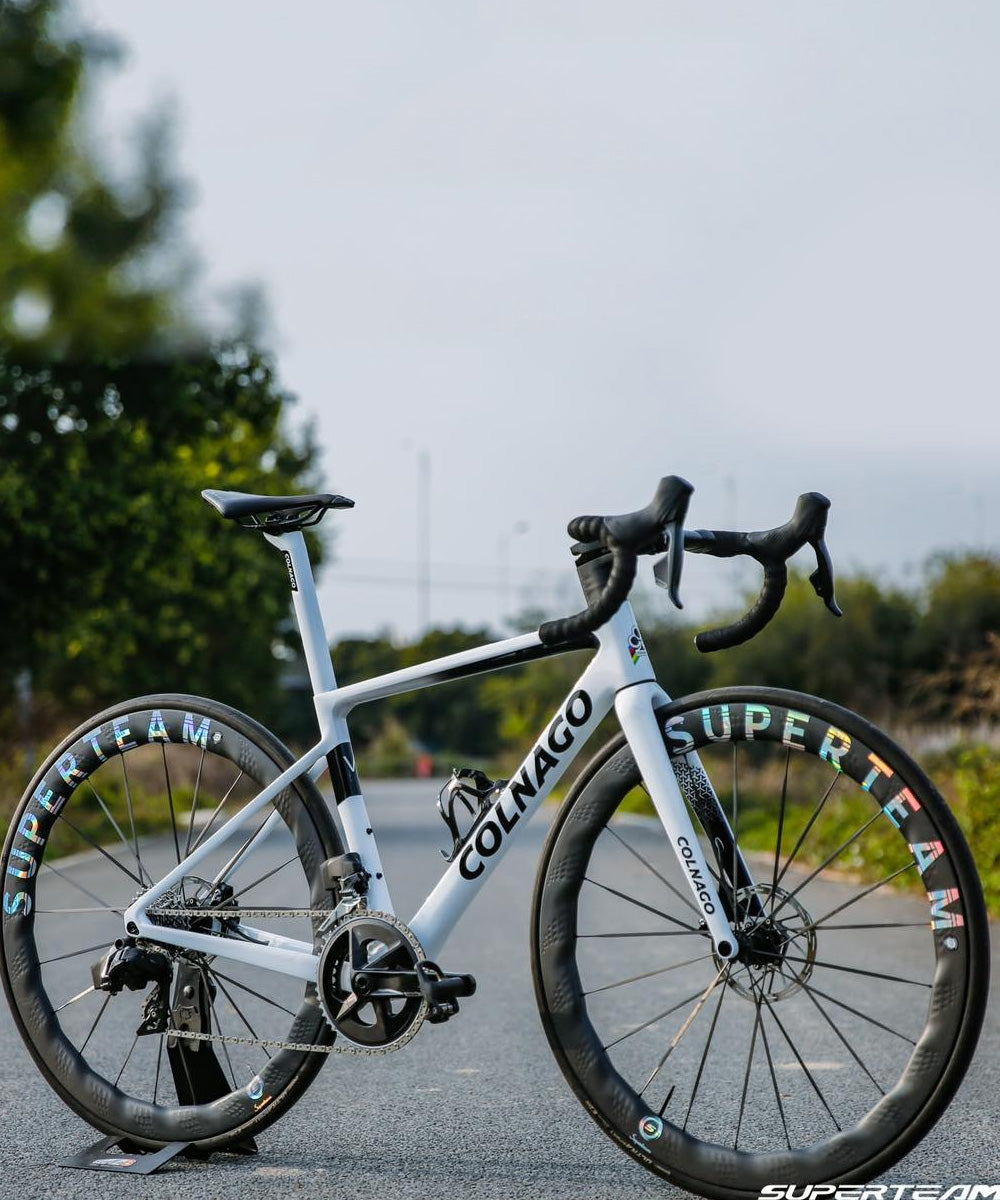
Swapping components without knowing which version is installed reduces expectation bias. Even partial blinding, such as hiding wheel graphics, can significantly affect perceived performance.
Perception often follows belief.
Using Repeated Runs Instead of Single Rides
Single rides are unreliable indicators of performance. Repeating the same test multiple times and averaging the results reduces random variation.
Trends are more meaningful than outliers.
Vibration and Comfort Measurement
Comfort improvements are often the hardest to separate from placebo. Using vibration sensors or smartphone accelerometer data helps identify real reductions in road buzz.
Lower vibration supports real comfort gains.
Video and Motion Analysis
High-speed or slow-motion video reveals changes in wheel flex, tracking, or braking behavior that riders may misinterpret while riding.
Visual evidence adds objectivity.
Listening for Acoustic Changes
Sound analysis tools can identify changes in bearing noise, freehub engagement, or brake rub. Audible differences sometimes feel like performance changes, but do not always affect efficiency.
Noise is not speed.
Interpreting Small Differences Carefully
Many upgrades produce changes smaller than the typical day-to-day variation. Recognizing the limits of measurement prevents overconfidence in marginal gains.
Not every improvement is measurable at home.
Combining Data with Honest Ride Notes
Objective data should be paired with structured ride notes written before reviewing results. This helps capture genuine sensations without retroactive justification.
Structure reduces bias.
Practical Outcome
Using tools to separate placebo from performance leads to smarter upgrades and better resource allocation. Data-driven evaluation builds confidence in real improvements.
Conclusion
Placebo effects are powerful in cycling, but measurement tools provide clarity. By controlling variables, repeating tests, and trusting data over expectation, riders can identify genuine performance gains.