

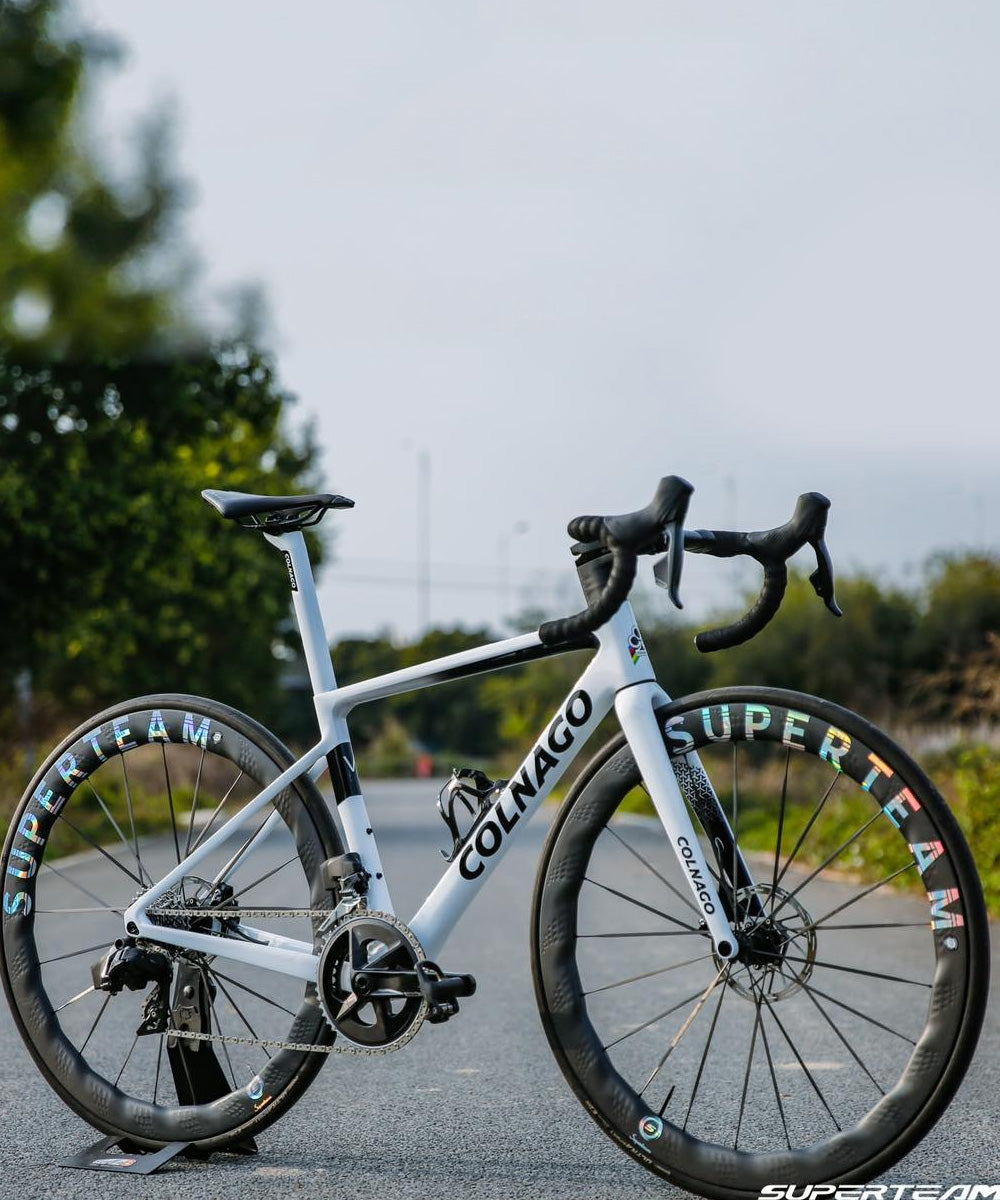


How to Prevent Galvanic Corrosion in Mixed-Material Wheels
Modern wheelsets often combine different materials—carbon fiber rims, aluminum spoke nipples, and steel or titanium spokes. While these combinations bring performance advantages, they also create the potential for galvanic corrosion, a chemical reaction that occurs when dissimilar metals come into contact in the presence of moisture and electrolytes, such as road salt or sweat. Left unchecked, galvanic corrosion can compromise wheel integrity and longevity.
What is Galvanic Corrosion?
Galvanic corrosion happens when two different metals are electrically connected and exposed to an electrolyte. The less noble metal (more reactive) acts as an anode and corrodes faster, while the more noble metal (less reactive) remains protected. In cycling wheels, this is often seen where aluminum nipples meet stainless steel spokes or carbon rims, leading to seized nipples, difficulty in truing, or even weakened structural connections.
Why It Matters in Cycling Wheels
Structural Risk: Corroded nipples can snap under tension, causing wheel failure.
Maintenance Issues: Corrosion makes adjustments nearly impossible, locking the spoke nipples in place.
Aesthetic Damage: Visible corrosion around spoke holes and nipples reduces wheel appearance and perceived quality.
Prevention Strategies
Material Selection
Use corrosion-resistant nipples, such as brass or anodized aluminum.
Consider stainless steel or titanium spokes for added durability.
Protective Coatings
Apply anti-seize compounds or grease on spoke threads and nipple seats during wheel building.
Use anodized or coated nipples to reduce direct metal contact.
Regular Cleaning and Maintenance
Rinse wheels after riding in wet, salty, or coastal environments.
Wipe down spoke nipples and hubs to remove sweat and road debris.
Environmental Awareness
Avoid prolonged storage in damp garages or near salty air without protection.
Use protective sprays (like silicone-based products) to create a barrier against moisture.
Wheelbuilder’s Techniques
Proper spoke tensioning helps minimize stress concentrations that accelerate corrosion.
Insulating washers or barrier materials can be used to separate carbon from metals at high-stress contact points.
Conclusion
Mixed-material wheels deliver the best of modern cycling performance but require thoughtful care to avoid galvanic corrosion. With smart material choices, protective measures, and regular maintenance, riders can ensure their wheelsets remain smooth, strong, and durable for years of riding.