



How to Identify Hidden Wheel Damage After a Crash
After a crash or heavy impact, wheel damage is not always obvious. Even if the wheel looks straight and the bike feels rideable, hidden issues can compromise safety and lead to sudden failure later. A careful inspection using simple tools and a methodical approach helps uncover damage that is easy to miss.
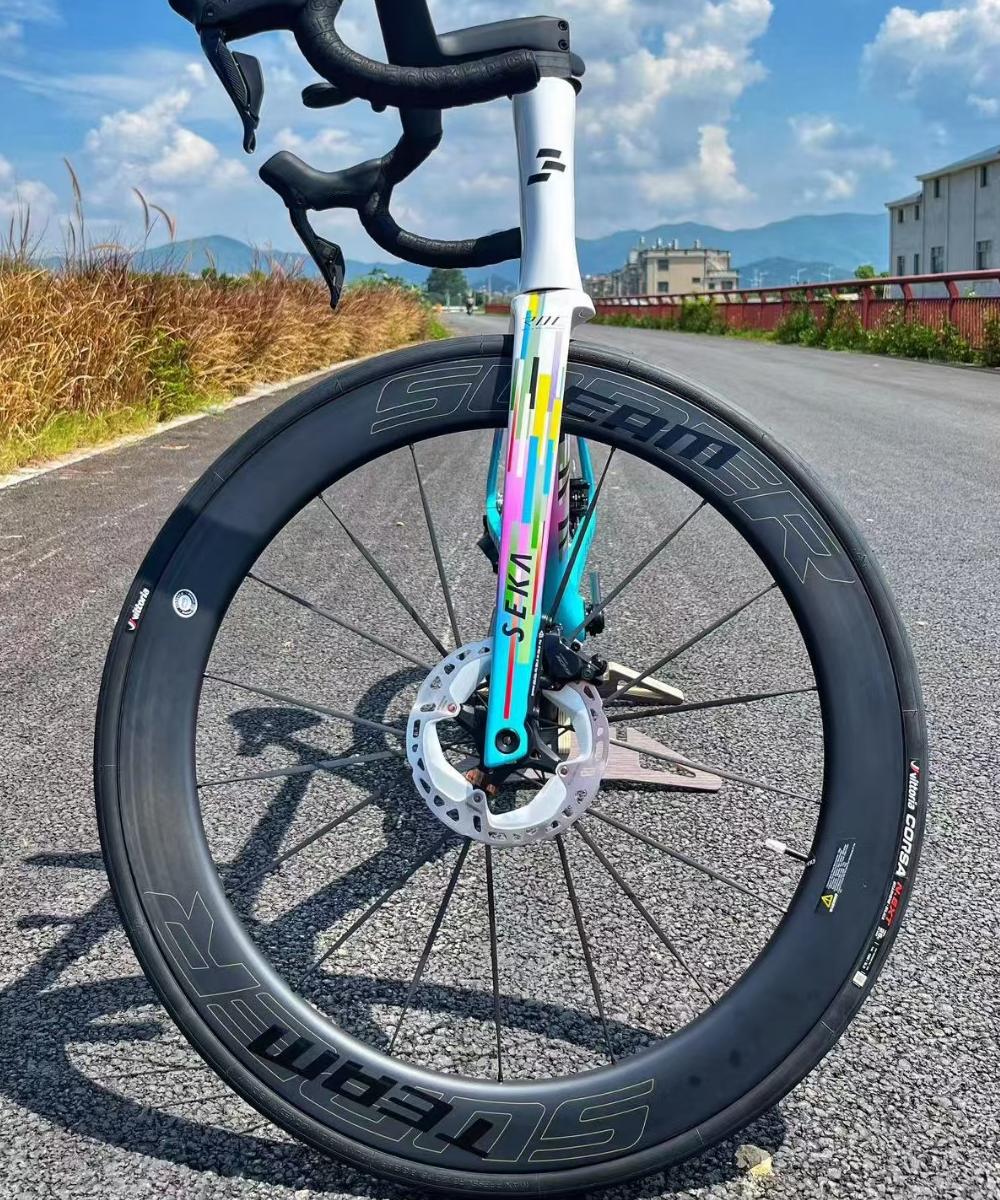
Begin with a slow visual inspection under strong light. Rotate the wheel and examine the rim from multiple angles. Look for fine cracks, ripples in the surface, chipped paint, or areas where the carbon weave looks distorted. Pay close attention to the bead hook, brake track, spoke holes, and valve area, as these zones experience the highest stress during impacts.
Next, check wheel trueness in the bike or on a workstand. Spin the wheel and observe any lateral or vertical movement relative to the frame or brake pads. Even small wobbles that were not present before the crash can indicate bent rims or shifted spoke tension.
Spoke inspection is critical after a crash. Squeeze pairs of spokes together and compare their feel. Sudden changes in tension often point to stretched or damaged spokes, cracked nipples, or a rim that has deformed locally. Inspect spoke heads and nipples closely for cracks or pulling through the rim.
Perform a tap test on carbon rims to detect internal damage. Gently tap around the rim with a coin or hex key and listen carefully. A consistent, clear tone indicates healthy structure, while a dull or flat sound in one area suggests delamination or internal cracking that is not visible on the surface.
Check hub and axle alignment by spinning the wheel while holding the axle. Any grinding noise, resistance, or side-to-side play may indicate damaged bearings or a bent axle caused by impact forces.
Measure rim width and height with a digital caliper if available. Compare readings at several points around the rim. Small but consistent differences can reveal deformation that the eye cannot detect.
Hidden wheel damage often worsens with continued riding. If any signs of structural issues appear, especially on carbon wheels, stop riding and seek professional inspection. Identifying damage early protects both the rider and the rest of the bike from more serious failures later.