


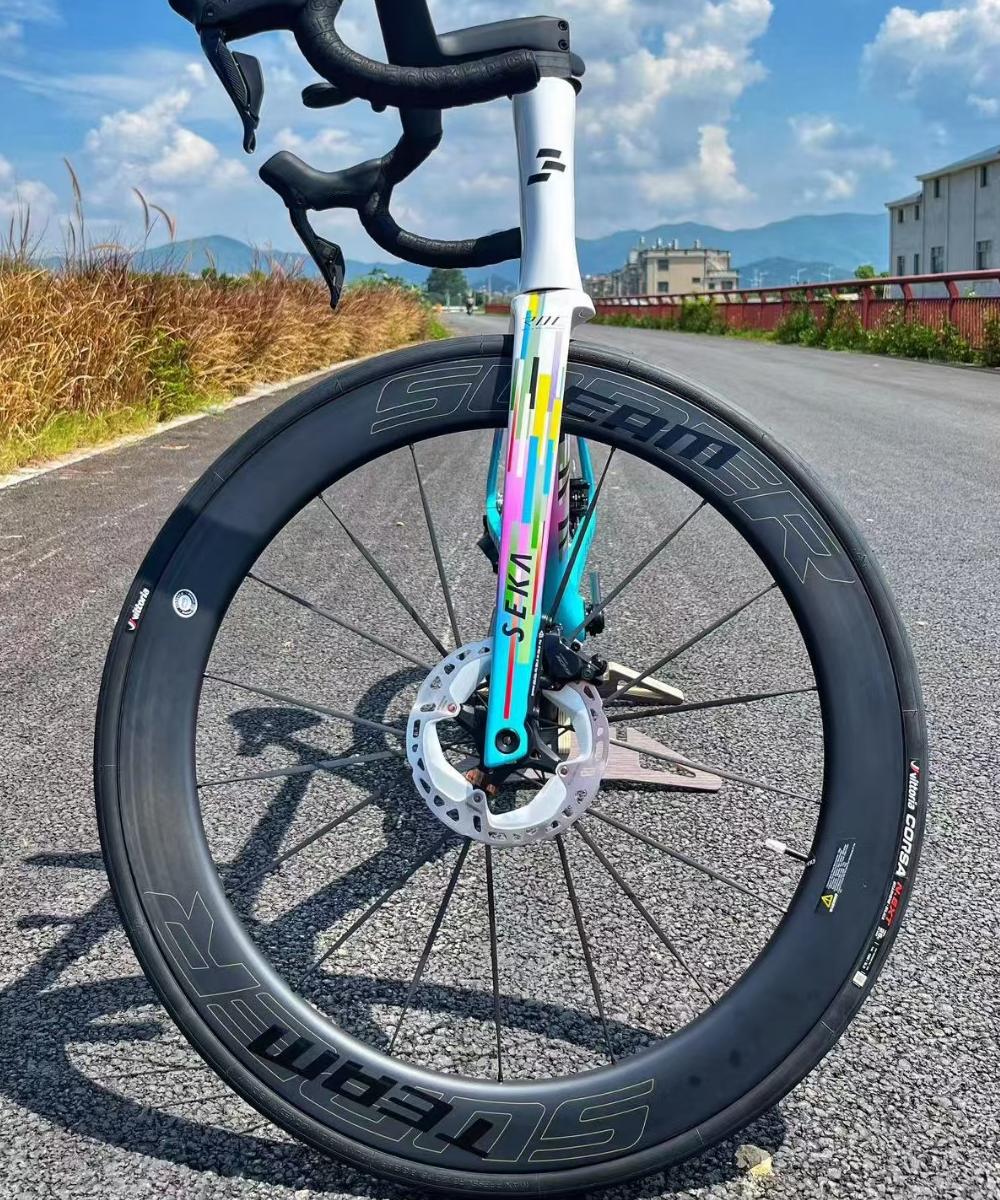

How to Detect Early Signs of Carbon Rim Damage
Carbon wheels offer exceptional performance, combining lightweight design with high stiffness and responsiveness. However, their performance advantage comes with the responsibility of careful inspection and maintenance. Unlike aluminum, carbon can sustain damage that is not immediately visible, making it crucial for riders to detect early signs before minor issues become serious failures. Knowing what to look for ensures safety, prolongs wheel life, and maintains optimal ride quality.
The first step in identifying potential problems is visual inspection. Regularly examine the rim for cracks, chips, or discoloration, particularly around the braking surface, spoke holes, and bead seat. Small surface scratches may be harmless, but any hairline cracks or delamination patterns are warning signs. Pay close attention after impacts, such as hitting potholes, curbs, or loose gravel, as even minor collisions can create internal damage invisible at first glance.
Another early indicator of carbon rim issues is unusual noise or vibration during riding. Clicking, creaking, or buzzing sounds that change with braking or pedaling force may signal loose fibers or micro-delamination. Similarly, if the wheel feels less stiff laterally—exhibiting side-to-side flex that was not present before—it could indicate internal compromise in the carbon layup. A subtle change in ride feel is often one of the earliest clues that the rim has sustained stress beyond its tolerance.
Braking performance is also an important diagnostic tool, especially for rim-brake carbon wheels. Inconsistent modulation, longer stopping distances, or uneven wear on the braking surface can indicate that the rim is flexing or that the carbon fibers have been weakened. Disc-brake riders should inspect the braking track around the hub mount interface for cracks or unusual flex, particularly after high-speed descents or rough terrain exposure.
A proactive approach includes routine checks with simple tools. Lightly pressing along the rim surface with your fingers can help detect soft spots or areas that compress differently. Spoke tension should also be monitored, as uneven tension can exacerbate existing damage and create new stress points. Some riders invest in ultrasonic or tapping tests for more precise detection of internal flaws, especially when using high-end carbon wheels frequently subjected to harsh conditions.
Finally, document any incidents that may have stressed the wheel and review the rim afterward. Even if no visible damage is present, repeated minor impacts can accumulate over time. When in doubt, consulting a professional bike mechanic or the wheel manufacturer is always recommended. Many brands offer inspection services or guidance for assessing carbon rim integrity, ensuring that potential problems are caught early.
In summary, early detection of carbon rim damage relies on a combination of visual checks, tactile feedback, ride feel observation, and routine maintenance. By staying vigilant, riders can prevent small cracks or delamination from becoming catastrophic failures, preserve wheel performance, and enjoy the advantages of carbon rims safely and confidently.